
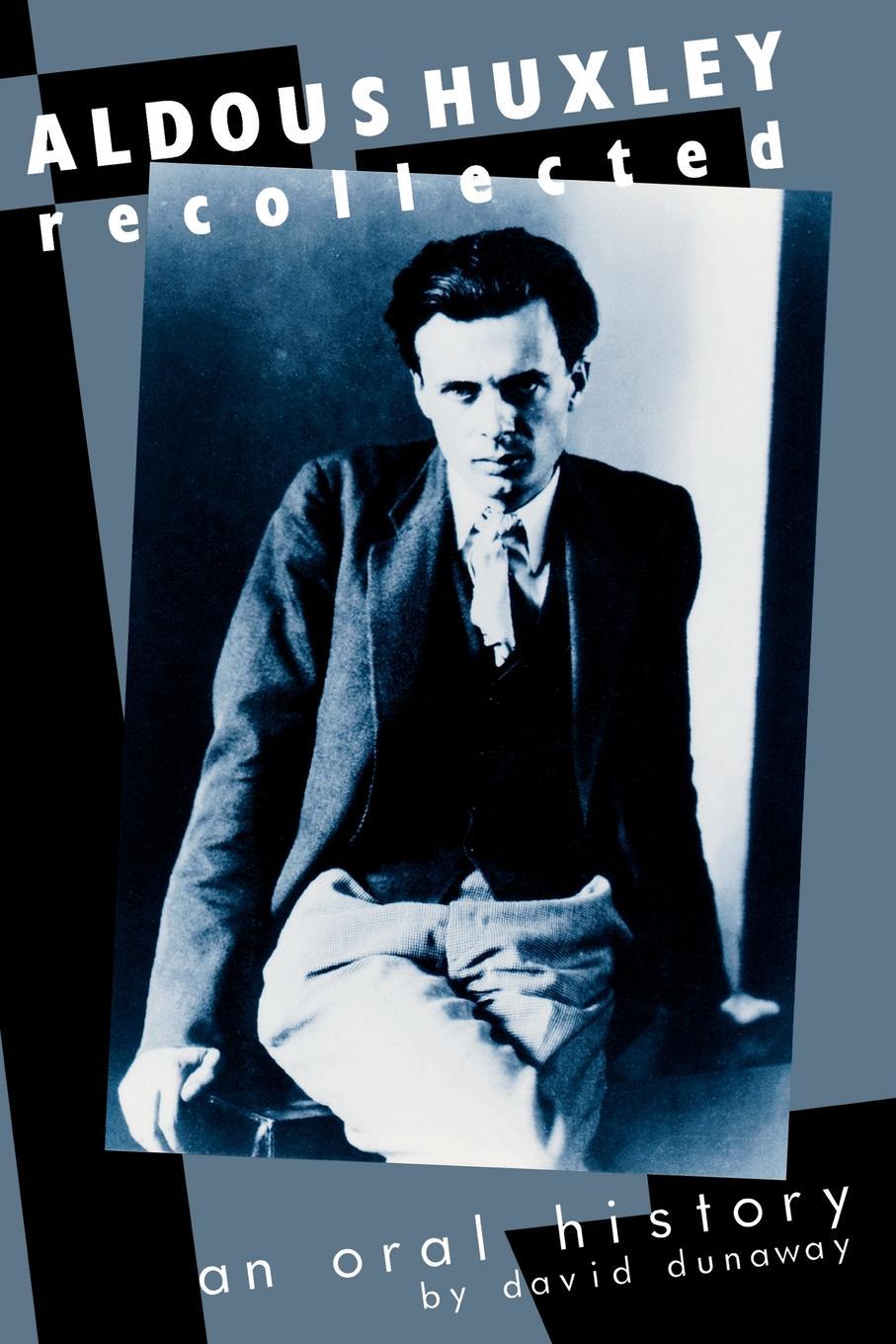
Best-selling author Aldous Huxley's American years have been a period literary historians discounted. His reputation suffered after his exile to California, which he undertook partly for the sake of his failing sight, partly out of disappointment with the European peace movement, and partly in search of new spiritual direction. With his move to California, Huxley became part of Hollywood's Golden Age, working alongside such noted figures as Charlie Chaplin, Greta Garbo, F. Scott Fitzgerald, Bertolt Brecht and Christopher Isherwood. During this time Huxley published nineteen books. His writing and life underwent many transformations, and many crucial unanswered questions remained about his sojourn. Were the writings of the American years as self-indulgent as critics claimed? How did cinematic conventions influence his art? Did he ever reach that unitary mystical experience he sought throughout the last decades of his life? Prominent oral historian and biographer David Dunaway responds to these questions, using interviews with co-workers, family, and friends and an analysis of Huxley's FBI files and little-known scripts for 'Jane Eyre' and 'Pride and Prejudice,' to provide us with intimate glimpses into Huxley's development as an author and a man. For the oral and literary historian, an extended introduction and appendix describe in detail the methods, processes, and challenges of doing oral literary history research.
Betal nemt med kort, Klarna, Apple Pay eller Google Pay. Ikke tilfreds? Du har altid 14 dages fortrydelsesret. Læs mere i vores vilkår. Har du spørgsmål, så send os en mail på hello@memmo.org.
Memmo gør det nemmere at studere – uanset hvor du er i verden. Hos os samler du dine kursusbøger og smarte studieværktøjer ét sted: resuméer, quizzer, podcasts og flashcards. Og så er der Ted, din studieven, der svarer på alt, du undrer dig over. Over 50 000 studerende studerer allerede her – bygget til at hjælpe dig med at lære hurtigere og stresse mindre.