
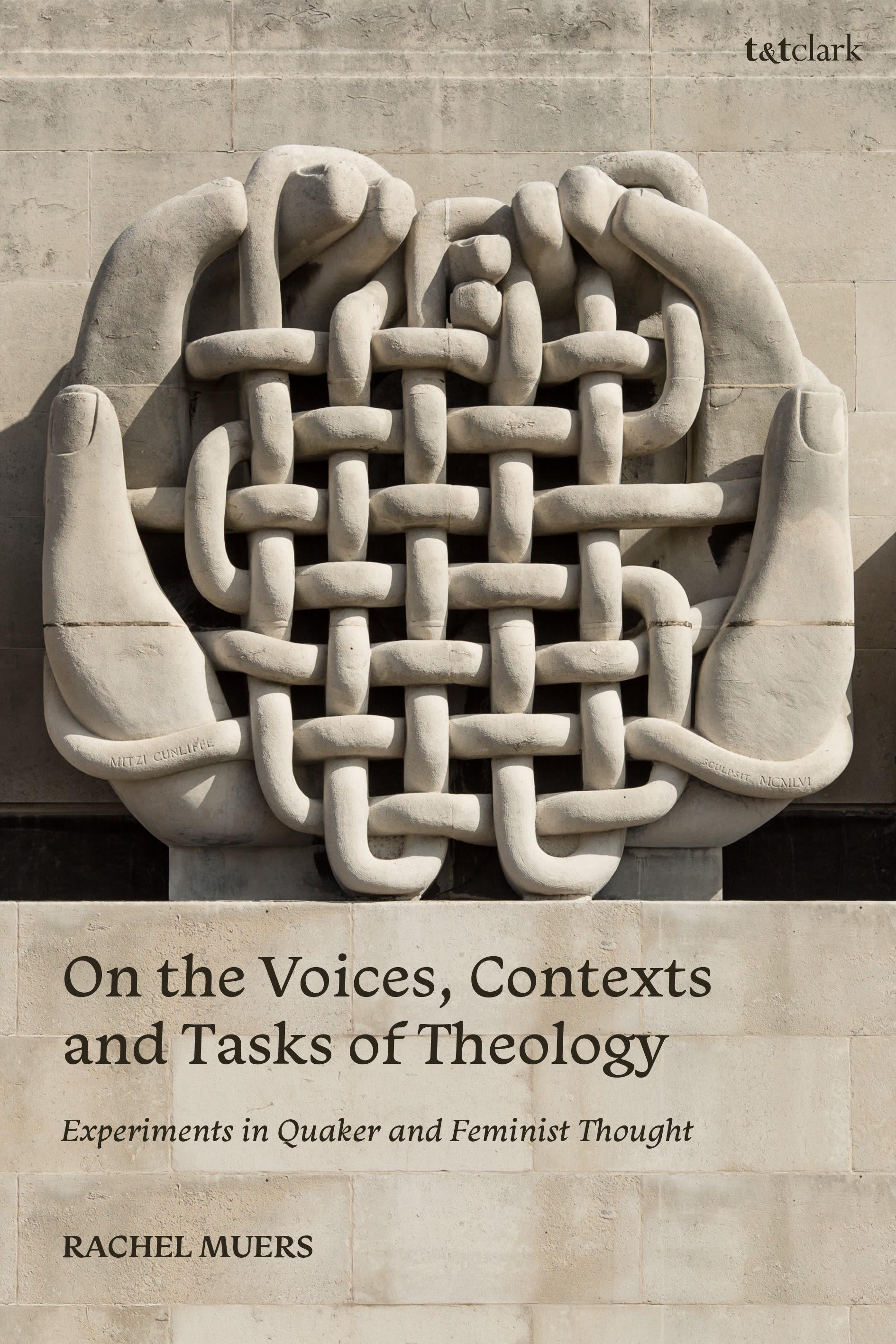
Who is Christian theology for, what is it for, and what can it do? Rachel Muers explores the voice of Christian theology – the relationship between the subject of theology and theological discourse.
The book begins with the question 'how does someone speak of God?', understood not as a question about the criteria or authorised sources for theology, but as a question of what is going on when theology is done. How is it possible to speak as this particular historical embodied subject about God?
Muers investigates voice through engagement with historical and contemporary theologians, particularly but not only with women who are speaking from relatively marginalised positions and contending with the lack of societal authorisation for their theological work. Recognising that the question of 'voice' is often equated in the contemporary context with the representation of identities and with how spaces and institutions can facilitate that representation, the narrative considers more directly how questions of identity and context – particularly in relation to gender – shape the construction and representation of systematic theology, and of theological tradition. Muers examines the vocation of theology, particularly in the contemporary Western academy and alongside other 'humanities' subjects, and a concluding chapter sets out a vision for ecumenical theological work. The book draws extensively on the author's own Quaker tradition and on her experience of teaching and mentoring theologians.
The book begins with the question 'how does someone speak of God?', understood not as a question about the criteria or authorised sources for theology, but as a question of what is going on when theology is done. How is it possible to speak as this particular historical embodied subject about God?
Muers investigates voice through engagement with historical and contemporary theologians, particularly but not only with women who are speaking from relatively marginalised positions and contending with the lack of societal authorisation for their theological work. Recognising that the question of 'voice' is often equated in the contemporary context with the representation of identities and with how spaces and institutions can facilitate that representation, the narrative considers more directly how questions of identity and context – particularly in relation to gender – shape the construction and representation of systematic theology, and of theological tradition. Muers examines the vocation of theology, particularly in the contemporary Western academy and alongside other 'humanities' subjects, and a concluding chapter sets out a vision for ecumenical theological work. The book draws extensively on the author's own Quaker tradition and on her experience of teaching and mentoring theologians.
Betal nemt med kort, Klarna, Apple Pay eller Google Pay. Ikke tilfreds? Du har altid 14 dages fortrydelsesret. Læs mere i vores vilkår. Har du spørgsmål, så send os en mail på hello@memmo.org.
Memmo gør det nemmere at studere – uanset hvor du er i verden. Hos os samler du dine kursusbøger og smarte studieværktøjer ét sted: resuméer, quizzer, podcasts og flashcards. Og så er der Ted, din studieven, der svarer på alt, du undrer dig over. Over 50 000 studerende studerer allerede her – bygget til at hjælpe dig med at lære hurtigere og stresse mindre.