
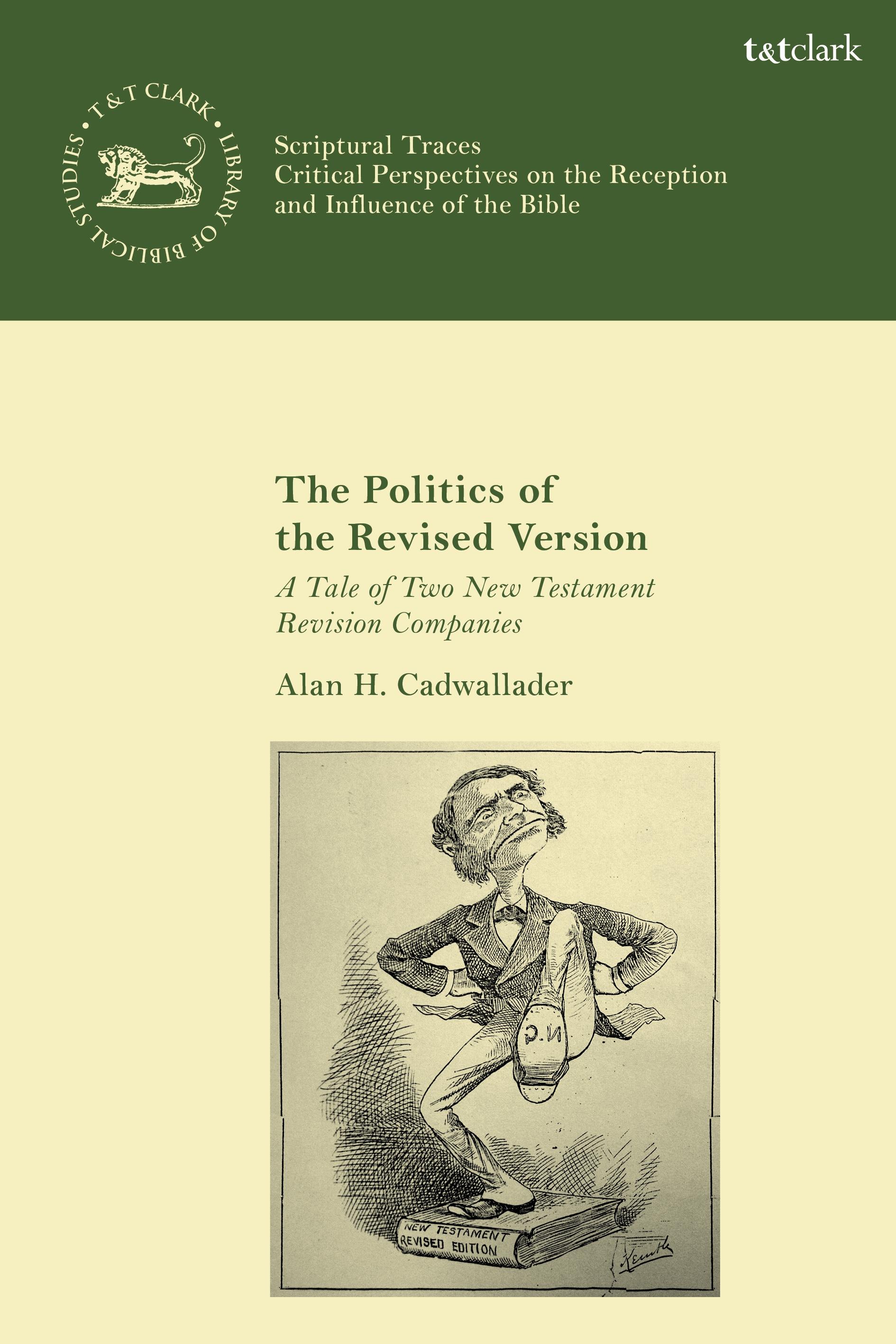
Alan Cadwallader explores the intricate tensions and conflicts that infused the work of revision of the Authorised Version of the Bible between 1870 and 1885. The Promethean aspirations of the venture actually generated one of the most bitter instances of the political manoeuvres involved in the translation of a sacred book. Cadwallader reveals how the public avowal of unity and fraternal harmony that accompanied the public release and marketing of the New Testament revision in 1881 and the Old Testament revision in 1885, masks fraught historical realities that threatened the realization of the project from the beginning.
Through a thorough examination of private correspondence, notebooks kept by various members of the New Testament Revision Companies in England and the United States, and other previously unstudied primary sources, Cadwallader examines and presents the complexities of the political situation surrounding the translation. He exposes the competing interests of an imperial, sovereign nation and a seriously divided Established Church floundering over its continued relevance; the ambitions and significance of Nonconformity in a nation's highly contested religious environment; the agonistic conflicts that erupted from assertions of national and international prestige and responsibilities; and the ultimate control exercised by publishing houses that fundamentally flawed the process of revision and the public acceptance of the final product.
Through a thorough examination of private correspondence, notebooks kept by various members of the New Testament Revision Companies in England and the United States, and other previously unstudied primary sources, Cadwallader examines and presents the complexities of the political situation surrounding the translation. He exposes the competing interests of an imperial, sovereign nation and a seriously divided Established Church floundering over its continued relevance; the ambitions and significance of Nonconformity in a nation's highly contested religious environment; the agonistic conflicts that erupted from assertions of national and international prestige and responsibilities; and the ultimate control exercised by publishing houses that fundamentally flawed the process of revision and the public acceptance of the final product.
Betal nemt med kort, Klarna, Apple Pay eller Google Pay. Ikke tilfreds? Du har altid 14 dages fortrydelsesret. Læs mere i vores vilkår. Har du spørgsmål, så send os en mail på hello@memmo.org.
Memmo gør det nemmere at studere – uanset hvor du er i verden. Hos os samler du dine kursusbøger og smarte studieværktøjer ét sted: resuméer, quizzer, podcasts og flashcards. Og så er der Ted, din studieven, der svarer på alt, du undrer dig over. Over 50 000 studerende studerer allerede her – bygget til at hjælpe dig med at lære hurtigere og stresse mindre.