
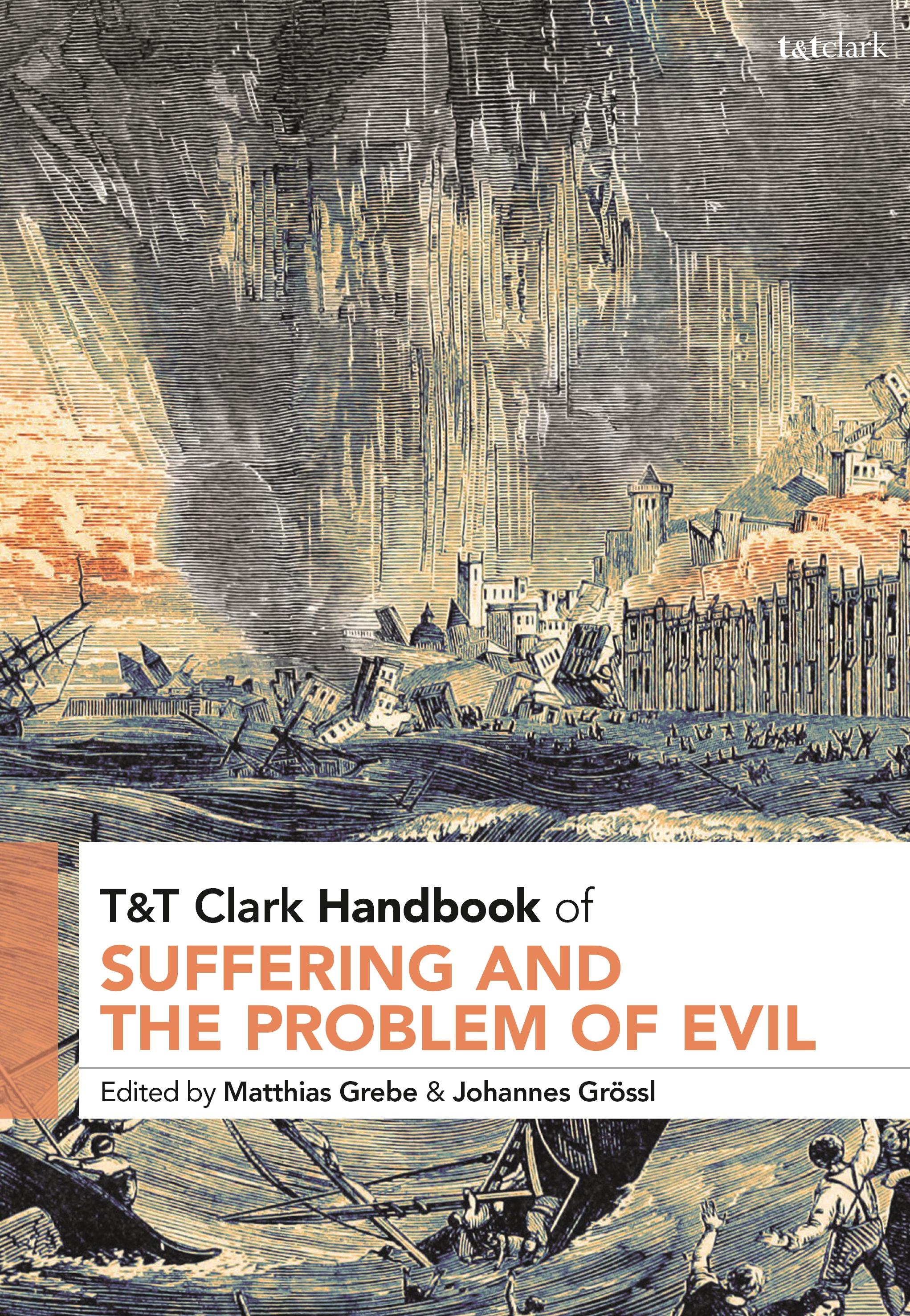
This wide-ranging work provides an extensive exploration of the theology of theodicy, asking questions such as: should all instances of suffering necessarily be understood as evil? Why would an omnipotent and benevolent God allow or perpetrate evil? Is God unable or unwilling to reduce human and non-human suffering on Earth? Does humanity have the capacity to exercise a moral evaluation of God's motives and intentions?
Conventional disciplinary boundaries have tended to separate theological approaches to these questions from philosophical ones. This volume aims to overcome these boundaries by including biblical (Part I), historical (Part II), doctrinal (Part III), philosophical (Part IV), and pastoral, interreligious perspectives and alternative intersections (Part V) on theodicy.
Authors include thinkers from analytic and continental traditions, multiple Christian denominations and other religions, and both established and younger scholars, providing a full variety of approaches. What unites the essays is an attempt to answer these questions from the perspective of biblical testimony, historical scholarship, modern theological and philosophical thinking about the concept of God, non-Christian religions, science and the arts. The result is a combination of in-depth analysis and breadth of scope, making this a benchmark work for further studies in the theology of suffering and evil.
Conventional disciplinary boundaries have tended to separate theological approaches to these questions from philosophical ones. This volume aims to overcome these boundaries by including biblical (Part I), historical (Part II), doctrinal (Part III), philosophical (Part IV), and pastoral, interreligious perspectives and alternative intersections (Part V) on theodicy.
Authors include thinkers from analytic and continental traditions, multiple Christian denominations and other religions, and both established and younger scholars, providing a full variety of approaches. What unites the essays is an attempt to answer these questions from the perspective of biblical testimony, historical scholarship, modern theological and philosophical thinking about the concept of God, non-Christian religions, science and the arts. The result is a combination of in-depth analysis and breadth of scope, making this a benchmark work for further studies in the theology of suffering and evil.
Sider: 752
Kategori: Religion & Teologi
e-ISBN: 9780567682451
Forsendelsesvægt: 1.2 kg
Sendes inden for: 1-2 dage
Betal nemt med kort, Klarna, Apple Pay eller Google Pay. Ikke tilfreds? Du har altid 14 dages fortrydelsesret. Læs mere i vores vilkår. Har du spørgsmål, så send os en mail på hello@memmo.org.
Memmo gør det nemmere at studere – uanset hvor du er i verden. Hos os samler du dine kursusbøger og smarte studieværktøjer ét sted: resuméer, quizzer, podcasts og flashcards. Og så er der Ted, din studieven, der svarer på alt, du undrer dig over. Over 50 000 studerende studerer allerede her – bygget til at hjælpe dig med at lære hurtigere og stresse mindre.