
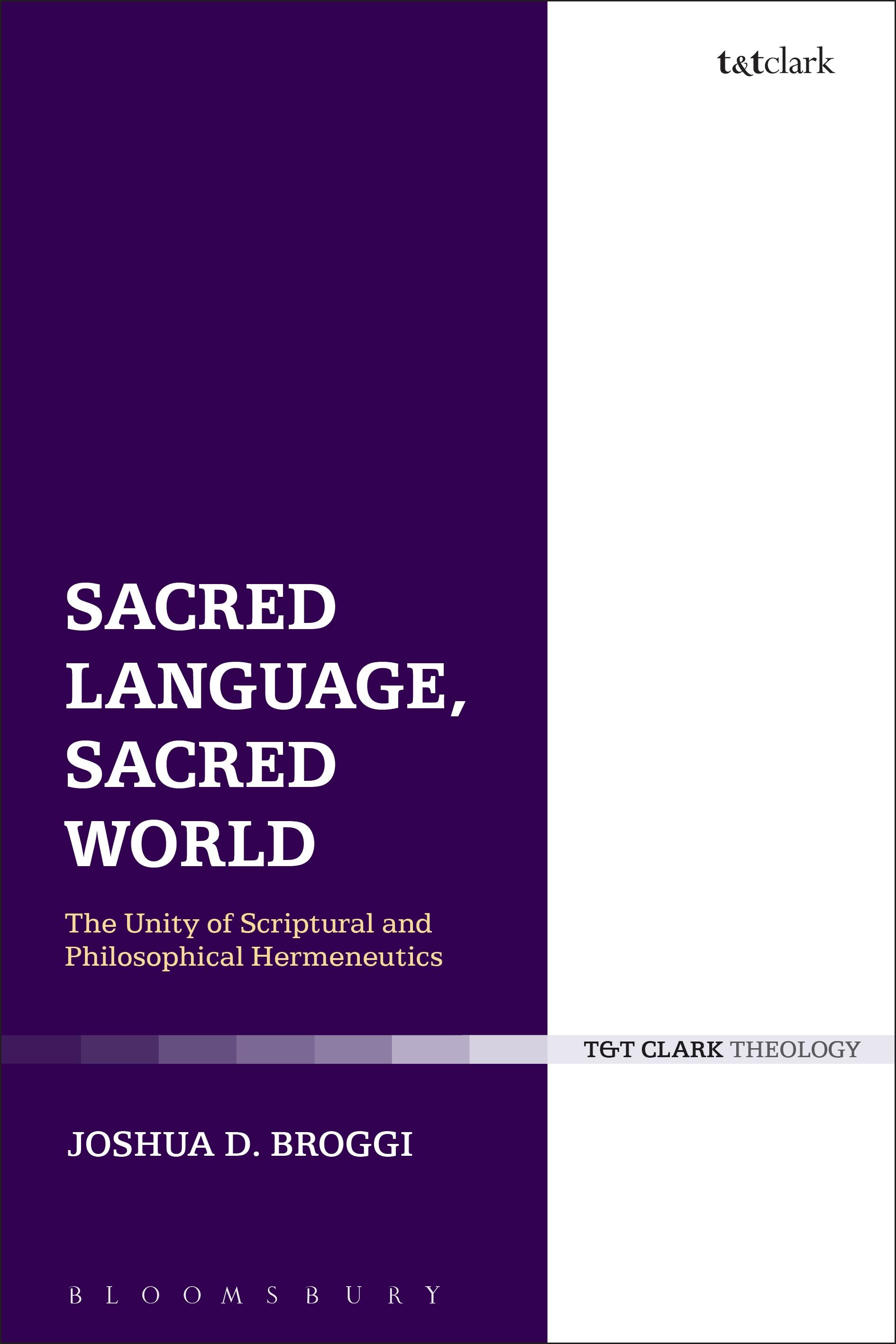
Heidegger and Gadamer are typically read by different theologians. Heidegger tends to be read by philosophical theologians examining his contribution to matters of doubt, existential finitude, and atheism. Gadamer tends to be read by those with an interest in interpreting the Bible, especially by those with more confessional or epistemically optimistic sensibilities. In both cases, Heidegger and Gadamer have well-established associations with specific theological positions.
Joshua Broggi challenges this arrangement by re-reading the primary texts as theological resources; he defends an alternative theological appropriation of their philosophical work through a close engagement with portions of their argument.
What emerges from Broggi's examination is an account of the unity of tradition, reason, and scriptural language. This account goes beyond claims of their relatedness, which are uncontroversial, and advances the stronger argument that they name the very same thing. Although initially counterintuitive, the central task set by both Heidegger and Gadamer is the investigation of that one phenomenon. This argument challenges the pervasive image in which Christians rely on 'tradition' to 'reason' about the meaning of 'scripture'. It puts into question the injunction that theologians should balance the resources of scripture, tradition, and reason. Broggi offers an account of Christian life as more fundamental than certain entities which are distilled out of it, namely: scripture, tradition and reason.
Joshua Broggi challenges this arrangement by re-reading the primary texts as theological resources; he defends an alternative theological appropriation of their philosophical work through a close engagement with portions of their argument.
What emerges from Broggi's examination is an account of the unity of tradition, reason, and scriptural language. This account goes beyond claims of their relatedness, which are uncontroversial, and advances the stronger argument that they name the very same thing. Although initially counterintuitive, the central task set by both Heidegger and Gadamer is the investigation of that one phenomenon. This argument challenges the pervasive image in which Christians rely on 'tradition' to 'reason' about the meaning of 'scripture'. It puts into question the injunction that theologians should balance the resources of scripture, tradition, and reason. Broggi offers an account of Christian life as more fundamental than certain entities which are distilled out of it, namely: scripture, tradition and reason.
Betal nemt med kort, Klarna, Apple Pay eller Google Pay. Ikke tilfreds? Du har altid 14 dages fortrydelsesret. Læs mere i vores vilkår. Har du spørgsmål, så send os en mail på hello@memmo.org.
Memmo gør det nemmere at studere – uanset hvor du er i verden. Hos os samler du dine kursusbøger og smarte studieværktøjer ét sted: resuméer, quizzer, podcasts og flashcards. Og så er der Ted, din studieven, der svarer på alt, du undrer dig over. Over 50 000 studerende studerer allerede her – bygget til at hjælpe dig med at lære hurtigere og stresse mindre.