
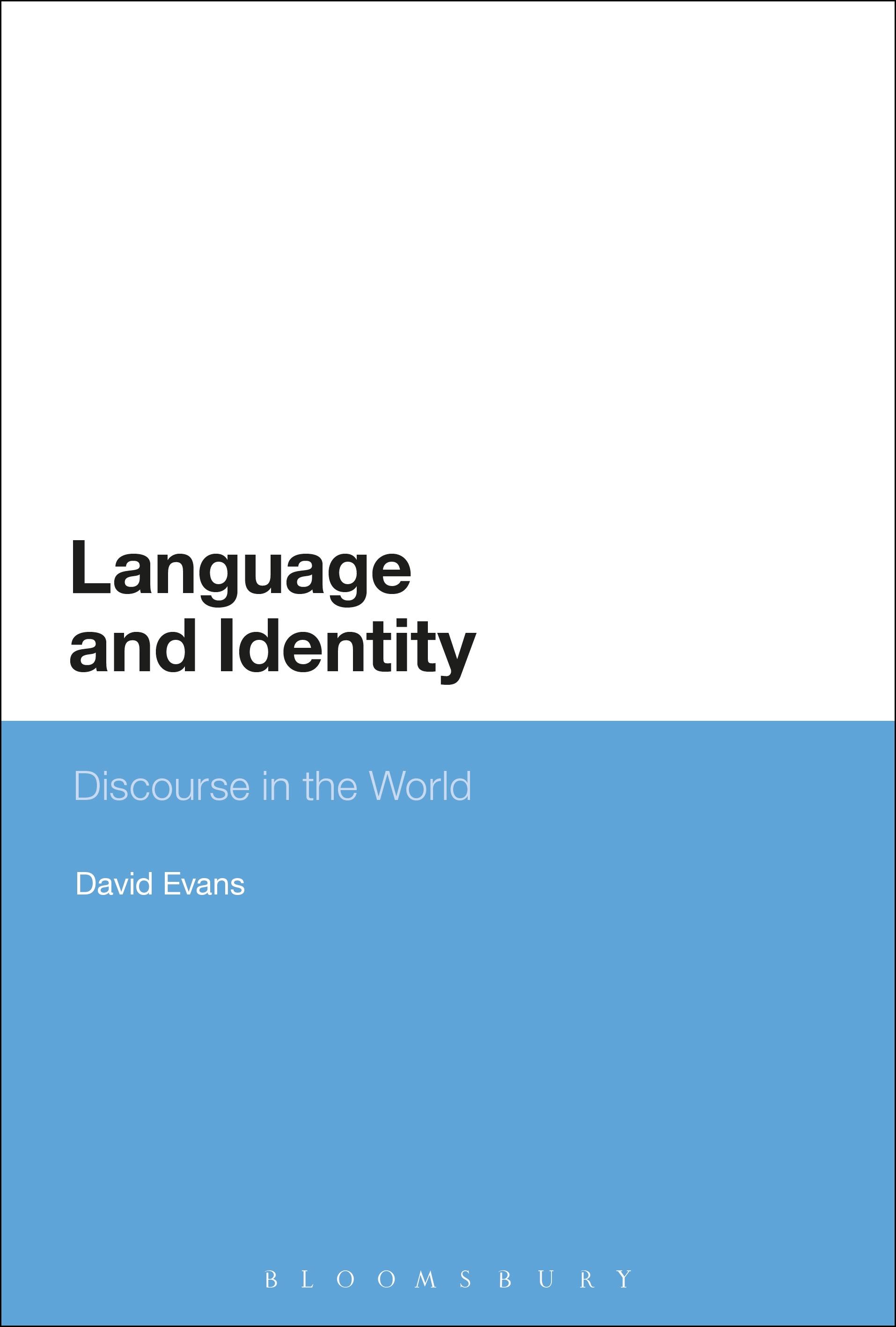
Language not only expresses identities but also constructs them. Starting from that point, Language and Identity examines the interrelationships between language and identities. It finds that they are so closely interwoven, that words themselves are inscribed with ideological meanings.
Words and language constitute meanings within discourses and discourses vary in power. The powerful ones reproduce more powerful meanings, colonize other discourses and marginalize or silence the least powerful languages and cultures. Language and culture death occur in extreme cases of marginalization.
This book also demonstrates the socio-economic opportunities offered by language choice and the cultural allegiances of language, where groups have been able to create new lives for themselves by embracing new languages in new countries. Language can be a 'double-edged sword' of opportunity and marginalization. Language and Identity argues that bilingualism and in some cases multilingualism can both promote socio-economic opportunity and combat culture death and marginalization.
With sound theoretical perspectives drawing upon the work of Bakhtin, Vygotsky, Gumperz, Foucault and others, this book provides readers with a rationale to redress social injustice in the world by supporting minority linguistic and cultural identities and an acknowledgement that access to language can provide opportunity.
Words and language constitute meanings within discourses and discourses vary in power. The powerful ones reproduce more powerful meanings, colonize other discourses and marginalize or silence the least powerful languages and cultures. Language and culture death occur in extreme cases of marginalization.
This book also demonstrates the socio-economic opportunities offered by language choice and the cultural allegiances of language, where groups have been able to create new lives for themselves by embracing new languages in new countries. Language can be a 'double-edged sword' of opportunity and marginalization. Language and Identity argues that bilingualism and in some cases multilingualism can both promote socio-economic opportunity and combat culture death and marginalization.
With sound theoretical perspectives drawing upon the work of Bakhtin, Vygotsky, Gumperz, Foucault and others, this book provides readers with a rationale to redress social injustice in the world by supporting minority linguistic and cultural identities and an acknowledgement that access to language can provide opportunity.
Betal nemt med kort, Klarna, Apple Pay eller Google Pay. Ikke tilfreds? Du har altid 14 dages fortrydelsesret. Læs mere i vores vilkår. Har du spørgsmål, så send os en mail på hello@memmo.org.
Memmo gør det nemmere at studere – uanset hvor du er i verden. Hos os samler du dine kursusbøger og smarte studieværktøjer ét sted: resuméer, quizzer, podcasts og flashcards. Og så er der Ted, din studieven, der svarer på alt, du undrer dig over. Over 50 000 studerende studerer allerede her – bygget til at hjælpe dig med at lære hurtigere og stresse mindre.