
A free open access book is available upon publication. Learn more at www.luminosoa.org.
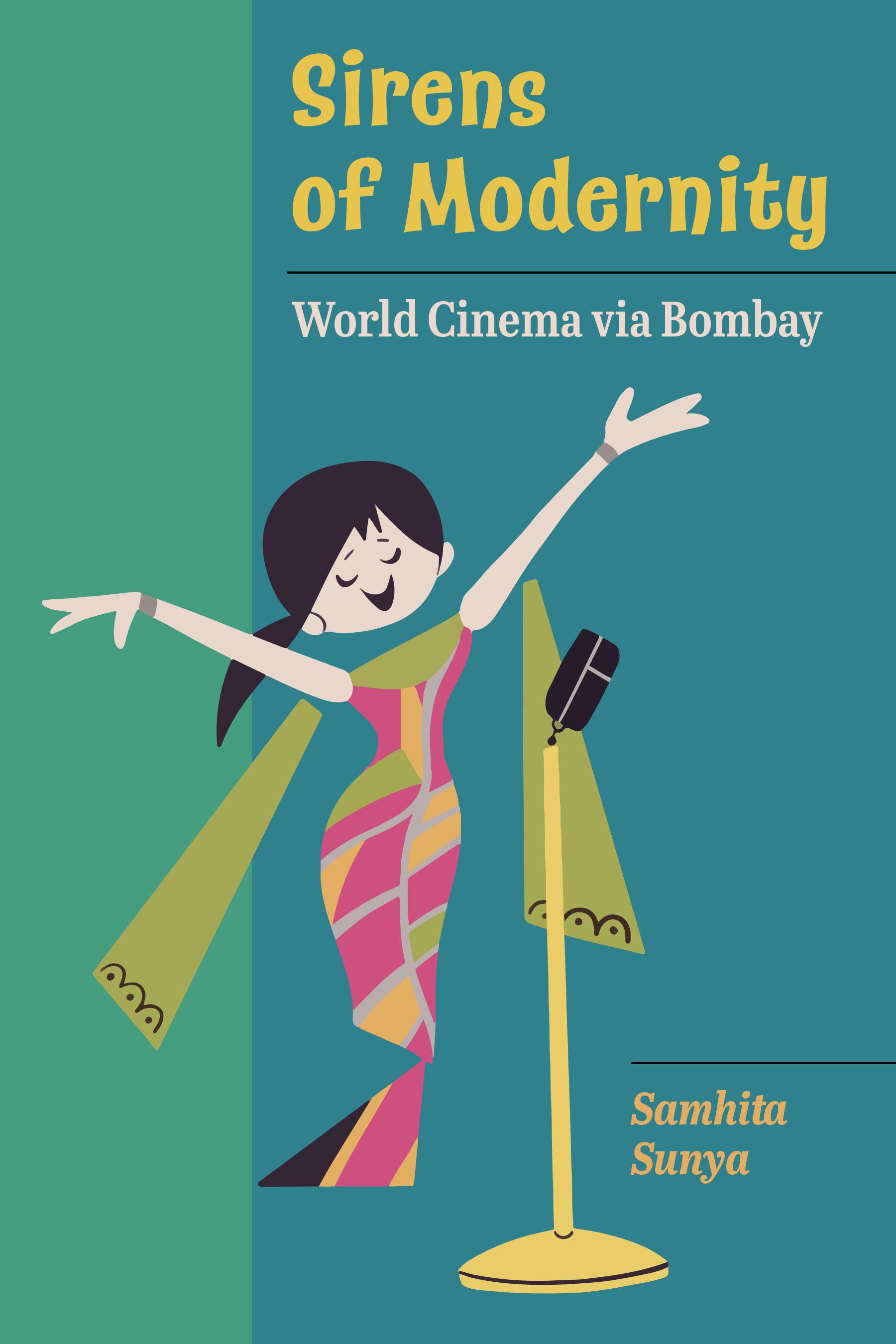
By the 1960s, Hindi-language films from Bombay were in high demand not only for domestic and diasporic audiences but also for sizable non-diasporic audiences across Eastern Europe, Central Asia, the Middle East, and the Indian Ocean world. Often confounding critics who painted the song-dance films as noisy and nonsensical if not dangerously seductive and utterly vulgar, Bombay films attracted fervent worldwide viewers precisely for their elements of romance, music, and spectacle. In this richly documented history of Hindi cinema during the long 1960s, Samhita Sunya historicizes the emergence of world cinema as a category of cinematic diplomacy that formed in the crucible of the Cold War. Interwoven with this history is an account of the prolific transnational circuits of popular Hindi films alongside the efflorescence of European art cinema and Cold War–era forays of Hollywood abroad. By following archival leads and threads of argumentation within commercial Hindi films that seem to be odd cases—flops, remakes, low-budget comedies, and prestige productions—this book offers a novel map for excavating the historical and ethical stakes of world cinema and world-making via Bombay.
By the 1960s, Hindi-language films from Bombay were in high demand not only for domestic and diasporic audiences but also for sizable non-diasporic audiences across Eastern Europe, Central Asia, the Middle East, and the Indian Ocean world. Often confounding critics who painted the song-dance films as noisy and nonsensical if not dangerously seductive and utterly vulgar, Bombay films attracted fervent worldwide viewers precisely for their elements of romance, music, and spectacle. In this richly documented history of Hindi cinema during the long 1960s, Samhita Sunya historicizes the emergence of world cinema as a category of cinematic diplomacy that formed in the crucible of the Cold War. Interwoven with this history is an account of the prolific transnational circuits of popular Hindi films alongside the efflorescence of European art cinema and Cold War–era forays of Hollywood abroad. By following archival leads and threads of argumentation within commercial Hindi films that seem to be odd cases—flops, remakes, low-budget comedies, and prestige productions—this book offers a novel map for excavating the historical and ethical stakes of world cinema and world-making via Bombay.
Betal nemt med kort, Klarna, Apple Pay eller Google Pay. Ikke tilfreds? Du har altid 14 dages fortrydelsesret. Læs mere i vores vilkår. Har du spørgsmål, så send os en mail på hello@memmo.org.
Memmo gør det nemmere at studere – uanset hvor du er i verden. Hos os samler du dine kursusbøger og smarte studieværktøjer ét sted: resuméer, quizzer, podcasts og flashcards. Og så er der Ted, din studieven, der svarer på alt, du undrer dig over. Over 50 000 studerende studerer allerede her – bygget til at hjælpe dig med at lære hurtigere og stresse mindre.
Du kan måske også lide
Køb bogen0