
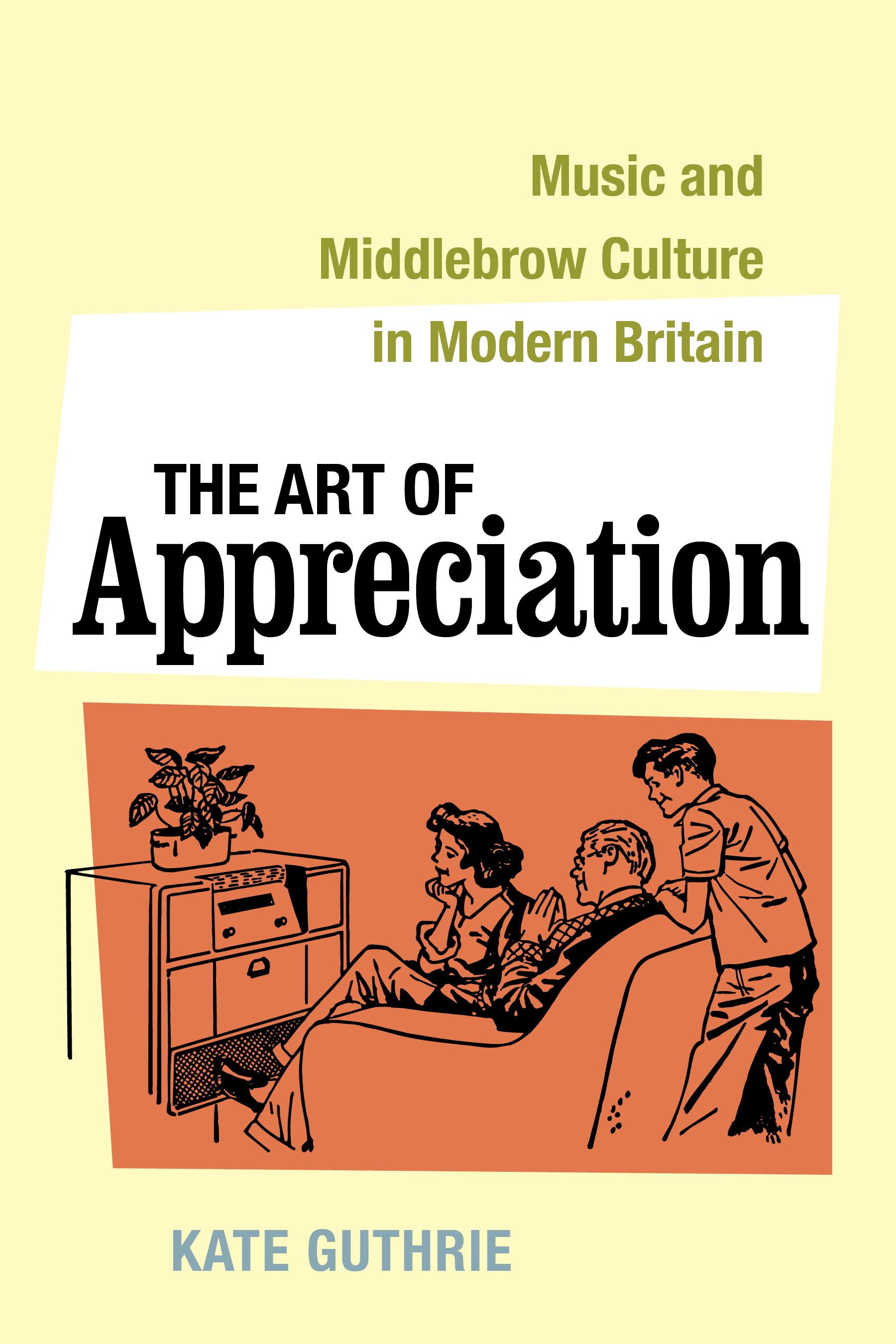
From the BBC Proms to Bernstein's Young People's Concerts, initiatives to promote classical music have been a pervasive feature of twentieth-century musical life. The goal of these initiatives was rarely just to reach a larger and more diverse audience but to teach a particular way of listening that would help the public "appreciate" music. This book examines for the first time how and why music appreciation has had such a defining and long-lasting impact—well beyond its roots in late-Victorian liberalism. It traces the networks of music educators, philanthropists, policy makers, critics, composers, and musicians who, rather than resisting new mass media, sought to harness their pedagogic potential. The book explores how listening became embroiled in a nexus of modern problems around citizenship, leisure, and education. In so doing, it ultimately reveals how a new cultural milieu—the middlebrow—emerged at the heart of Britain's experience of modernity.
Betal nemt med kort, Klarna, Apple Pay eller Google Pay. Ikke tilfreds? Du har altid 14 dages fortrydelsesret. Læs mere i vores vilkår. Har du spørgsmål, så send os en mail på hello@memmo.org.
Memmo gør det nemmere at studere – uanset hvor du er i verden. Hos os samler du dine kursusbøger og smarte studieværktøjer ét sted: resuméer, quizzer, podcasts og flashcards. Og så er der Ted, din studieven, der svarer på alt, du undrer dig over. Over 50 000 studerende studerer allerede her – bygget til at hjælpe dig med at lære hurtigere og stresse mindre.
Du kan måske også lide
Køb bogen0