
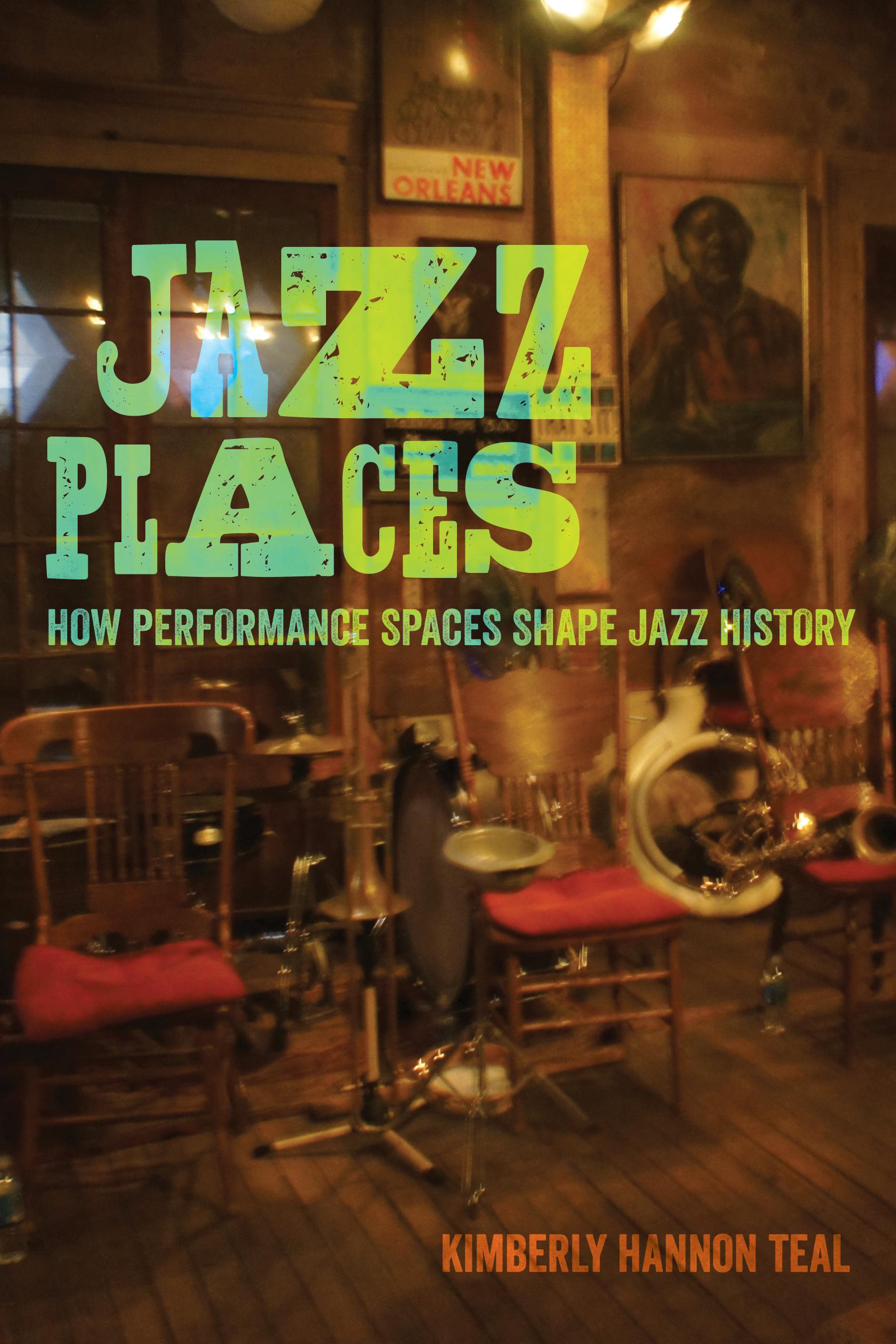
The social connotation of jazz in American popular culture has shifted dramatically since its emergence in the early twentieth century. Once considered youthful and even rebellious, jazz music is now a firmly established American artistic tradition. As jazz in American life has shifted, so too has the kind of venue in which it is performed. In Jazz Places, Kimberly Hannon Teal traces the history of jazz performance from private jazz clubs to public, high-art venues often associated with charitable institutions. As live jazz performance has become more closely tied to nonprofit institutions, the music's heritage has become increasingly important, serving as a means of defining jazz as a social good worthy of charitable support. Though different jazz spaces present jazz and its heritage in various and sometimes conflicting terms, ties between the music and the past play an important role in defining the value of present-day music in a diverse range of jazz venues, from the Village Vanguard in New York to SFJazz on the West Coast to Preservation Hall in New Orleans.
Betal nemt med kort, Klarna, Apple Pay eller Google Pay. Ikke tilfreds? Du har altid 14 dages fortrydelsesret. Læs mere i vores vilkår. Har du spørgsmål, så send os en mail på hello@memmo.org.
Memmo gør det nemmere at studere – uanset hvor du er i verden. Hos os samler du dine kursusbøger og smarte studieværktøjer ét sted: resuméer, quizzer, podcasts og flashcards. Og så er der Ted, din studieven, der svarer på alt, du undrer dig over. Over 50 000 studerende studerer allerede her – bygget til at hjælpe dig med at lære hurtigere og stresse mindre.
Du kan måske også lide
Køb bogen0