
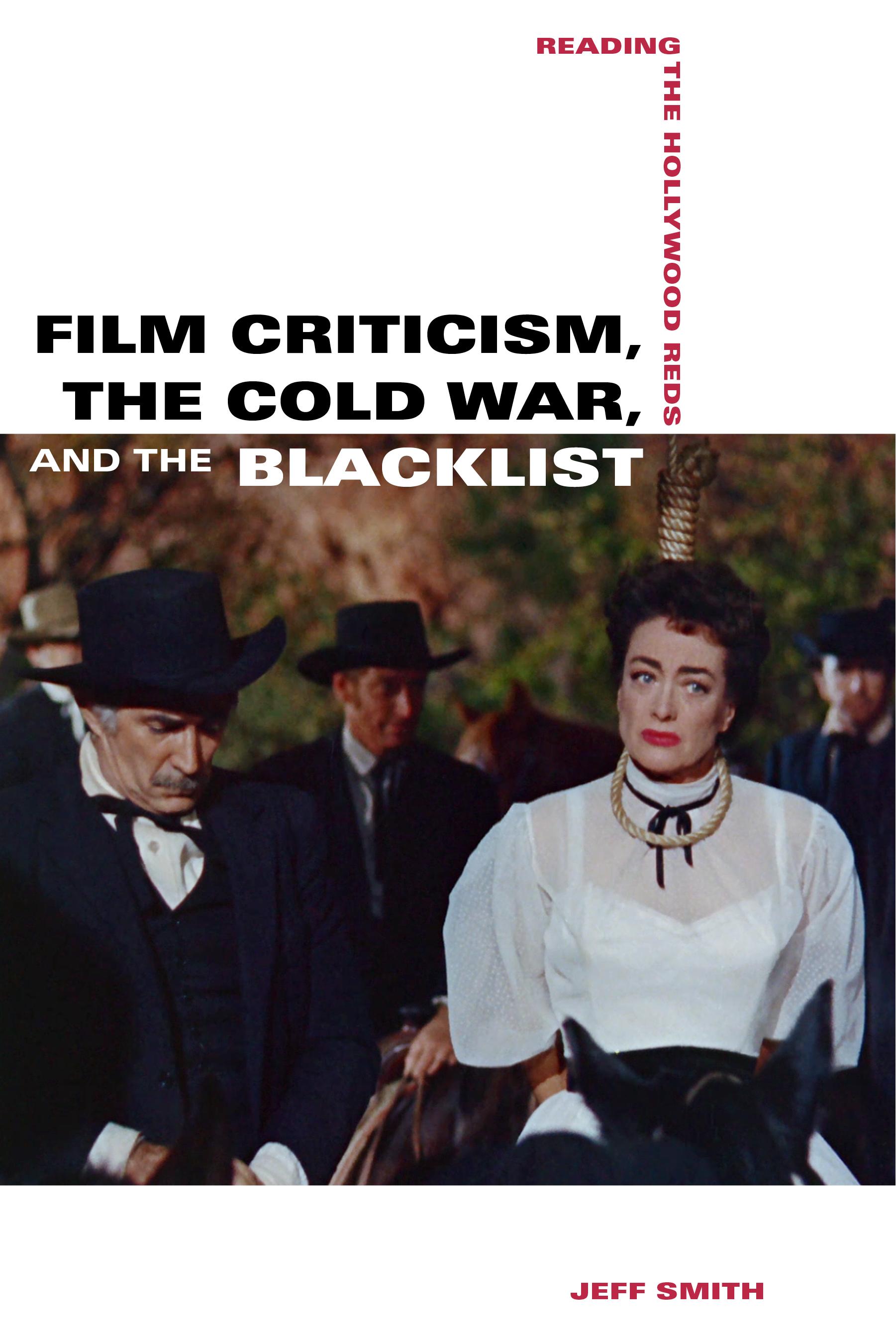
Film Criticism, the Cold War, and the Blacklist examines the long-term reception of several key American films released during the postwar period, focusing on the two main critical lenses used in the interpretation of these films: propaganda and allegory. Produced in response to the hearings held by the House Committee on Un-American Activities (HUAC) that resulted in the Hollywood blacklist, these films’ ideological message and rhetorical effectiveness was often muddled by the inherent difficulties in dramatizing villains defined by their thoughts and belief systems rather than their actions. Whereas anti-Communist propaganda films offered explicit political exhortation, allegory was the preferred vehicle for veiled or hidden political comment in many police procedurals, historical films, Westerns, and science fiction films. Jeff Smith examines the way that particular heuristics, such as the mental availability of exemplars and the effects of framing, have encouraged critics to match filmic elements to contemporaneous historical events, persons, and policies. In charting the development of these particular readings, Film Criticism, the Cold War, and the Blacklist features case studies of many canonical Cold War titles, including The Red Menace, On the Waterfront, The Robe, High Noon, and Invasion of the Body Snatchers.
Betal nemt med kort, Klarna, Apple Pay eller Google Pay. Ikke tilfreds? Du har altid 14 dages fortrydelsesret. Læs mere i vores vilkår. Har du spørgsmål, så send os en mail på hello@memmo.org.
Memmo gør det nemmere at studere – uanset hvor du er i verden. Hos os samler du dine kursusbøger og smarte studieværktøjer ét sted: resuméer, quizzer, podcasts og flashcards. Og så er der Ted, din studieven, der svarer på alt, du undrer dig over. Over 50 000 studerende studerer allerede her – bygget til at hjælpe dig med at lære hurtigere og stresse mindre.
Du kan måske også lide
Køb bogen0