
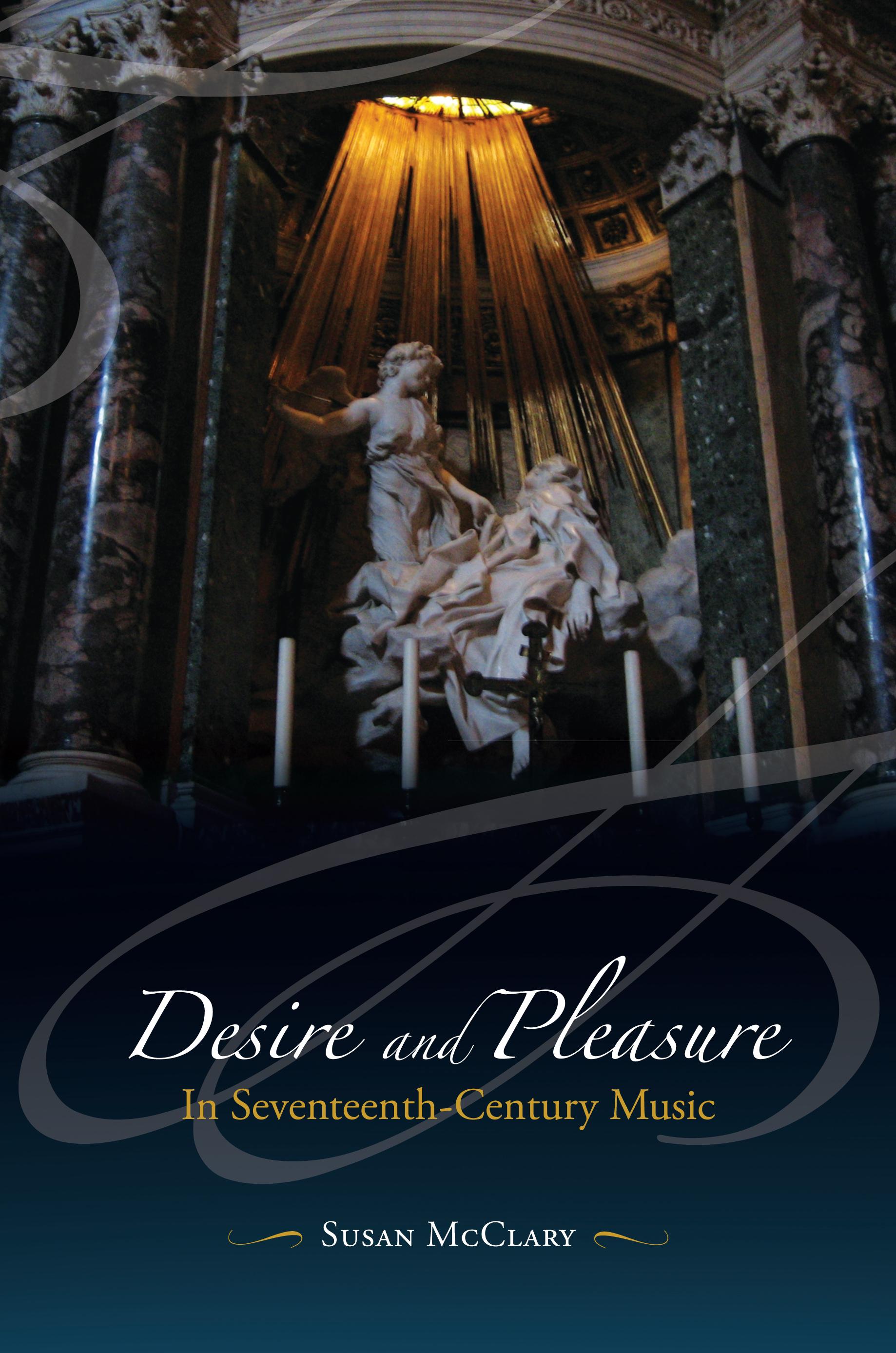
In this book, Susan McClary examines the mechanisms through which seventeenth-century musicians simulated extreme affective states—desire, divine rapture, and ecstatic pleasure. She demonstrates how every major genre of the period, from opera to religious music to instrumental pieces based on dances, was part of this striving for heightened passions by performers and listeners. While she analyzes the social and historical reasons for the high value placed on expressive intensity in both secular and sacred music, and she also links desire and pleasure to the many technical innovations of the period. McClary shows how musicians—whether working within the contexts of the Reformation or Counter-Reformation, Absolutists courts or commercial enterprises in Venice—were able to manipulate known procedures to produce radically new ways of experiencing time and the Self.
Betal nemt med kort, Klarna, Apple Pay eller Google Pay. Ikke tilfreds? Du har altid 14 dages fortrydelsesret. Læs mere i vores vilkår. Har du spørgsmål, så send os en mail på hello@memmo.org.
Memmo gør det nemmere at studere – uanset hvor du er i verden. Hos os samler du dine kursusbøger og smarte studieværktøjer ét sted: resuméer, quizzer, podcasts og flashcards. Og så er der Ted, din studieven, der svarer på alt, du undrer dig over. Over 50 000 studerende studerer allerede her – bygget til at hjælpe dig med at lære hurtigere og stresse mindre.
Du kan måske også lide
Køb bogen0