
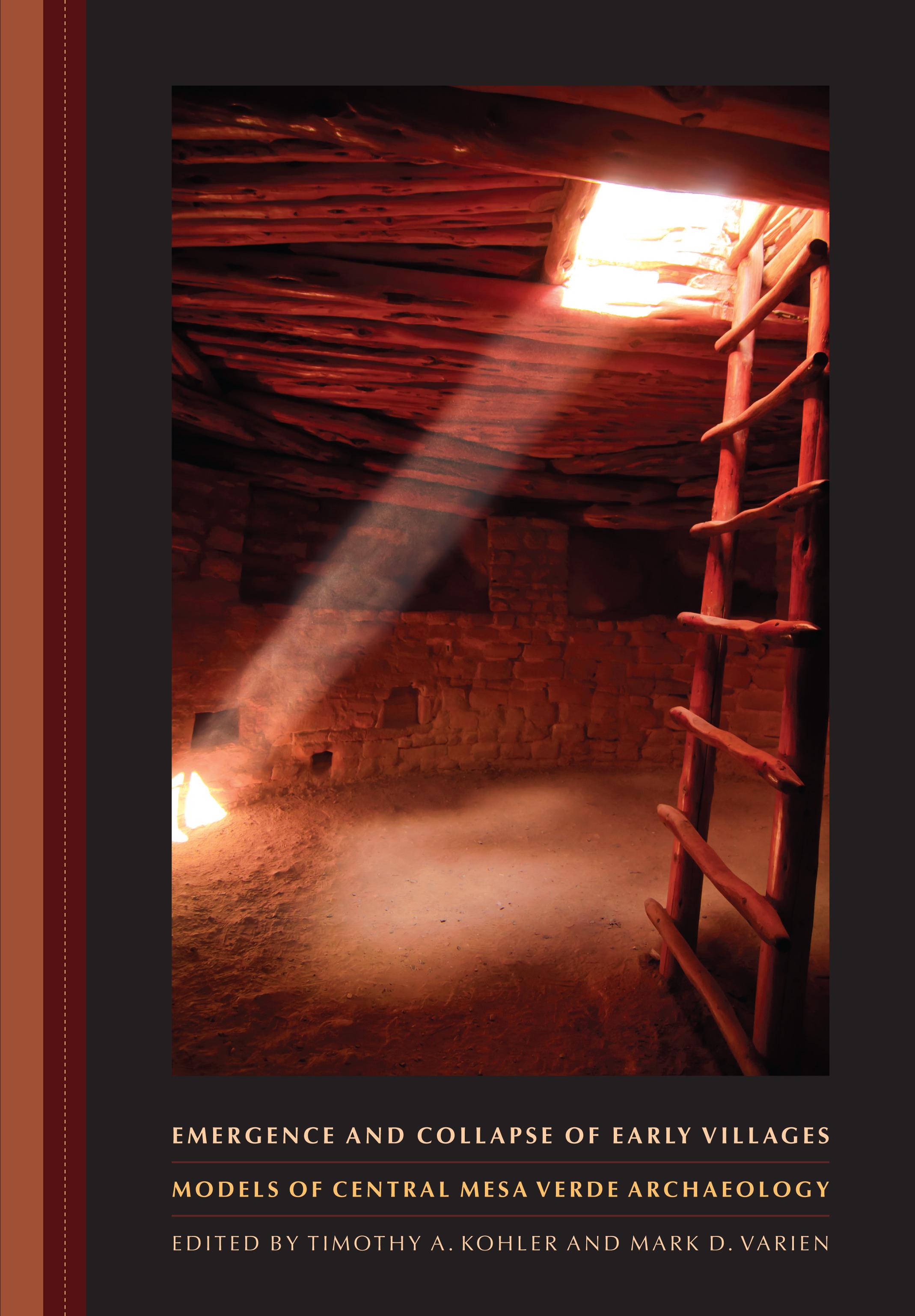
Ancestral Pueblo farmers encountered the deep, well watered, and productive soils of the central Mesa Verde region of Southwest Colorado around A.D. 600, and within two centuries built some of the largest villages known up to that time in the U.S. Southwest. But one hundred years later, those villages were empty, and most people had gone. This cycle repeated itself from the mid-A.D. 1000s until 1280, when Puebloan farmers permanently abandoned the entire northern Southwest. Taking an interdisciplinary approach, this book examines how climate change, population size, interpersonal conflict, resource depression, and changing social organization contribute to explaining these dramatic shifts. Comparing the simulations from agent-based models with the precisely dated archaeological record from this area, this text will interest archaeologists working in the Southwest and in Neolithic societies around the world as well as anyone applying modeling techniques to understanding how human societies shape, and are shaped by the environments we inhabit.
Betal nemt med kort, Klarna, Apple Pay eller Google Pay. Ikke tilfreds? Du har altid 14 dages fortrydelsesret. Læs mere i vores vilkår. Har du spørgsmål, så send os en mail på hello@memmo.org.
Memmo gør det nemmere at studere – uanset hvor du er i verden. Hos os samler du dine kursusbøger og smarte studieværktøjer ét sted: resuméer, quizzer, podcasts og flashcards. Og så er der Ted, din studieven, der svarer på alt, du undrer dig over. Over 50 000 studerende studerer allerede her – bygget til at hjælpe dig med at lære hurtigere og stresse mindre.
Du kan måske også lide
Køb bogen0