
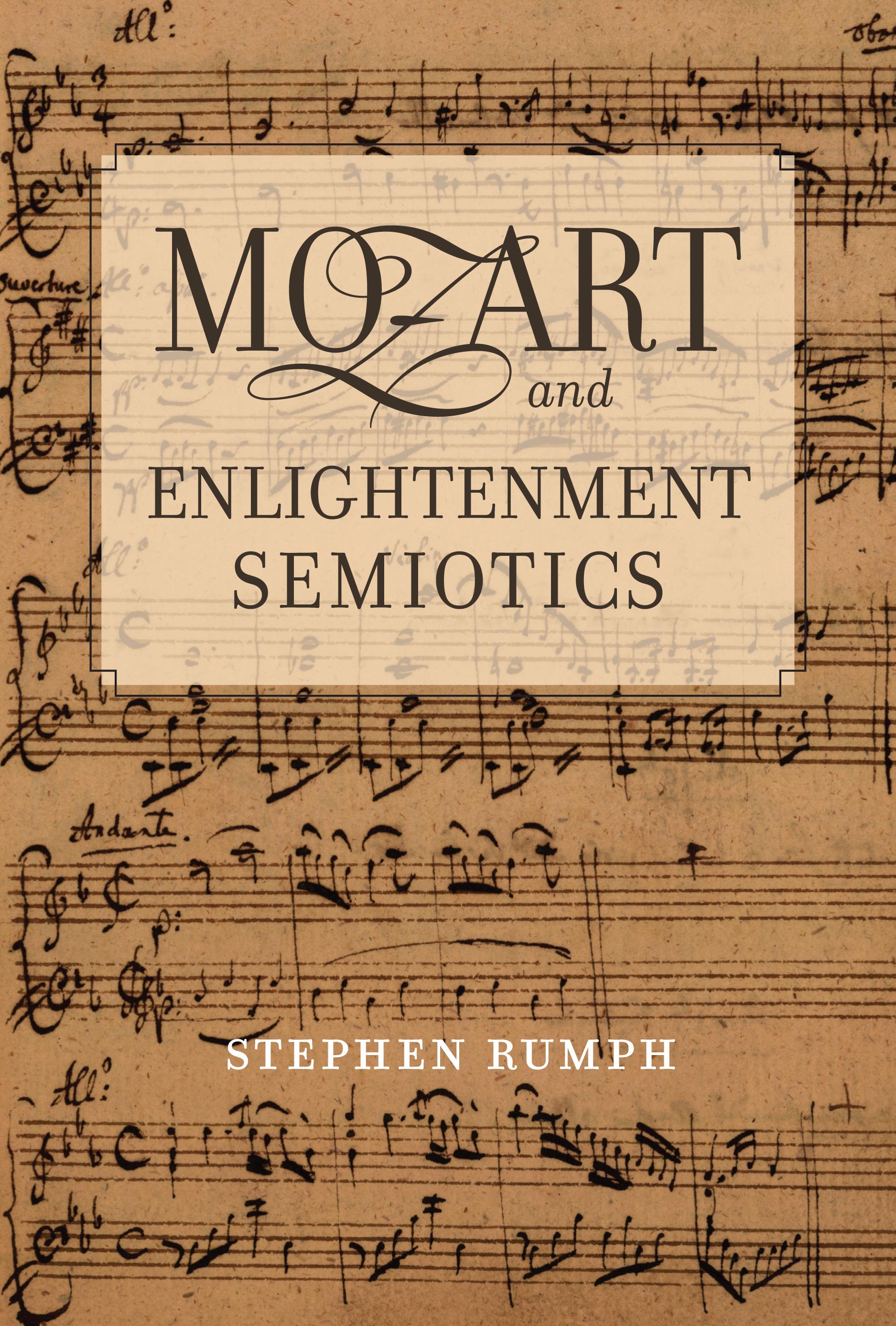
In this groundbreaking, historically-informed semiotic study of late eighteenth-century music, Stephen Rumph focuses on Mozart to explore musical meaning within the context of Enlightenment sign and language theory. Illuminating his discussion with French, British, German, and Italian writings on signs and language, Rumph analyzes movements from Mozart’s symphonies, concertos, operas, and church music. He argues that Mozartian semiosis is best understood within the empiricist tradition of Condillac, Vico, Herder, or Adam Smith, which emphasized the constitutive role of signs within human cognition. Recognizing that the rationalist model of neoclassical rhetoric has guided much recent work on Mozart and his contemporaries, Rumph demonstrates how the dialogic tension between opposing paradigms enabled the composer to negotiate contradictions within Enlightenment thought.
Betal nemt med kort, Klarna, Apple Pay eller Google Pay. Ikke tilfreds? Du har altid 14 dages fortrydelsesret. Læs mere i vores vilkår. Har du spørgsmål, så send os en mail på hello@memmo.org.
Memmo gør det nemmere at studere – uanset hvor du er i verden. Hos os samler du dine kursusbøger og smarte studieværktøjer ét sted: resuméer, quizzer, podcasts og flashcards. Og så er der Ted, din studieven, der svarer på alt, du undrer dig over. Over 50 000 studerende studerer allerede her – bygget til at hjælpe dig med at lære hurtigere og stresse mindre.
Du kan måske også lide
Køb bogen0