
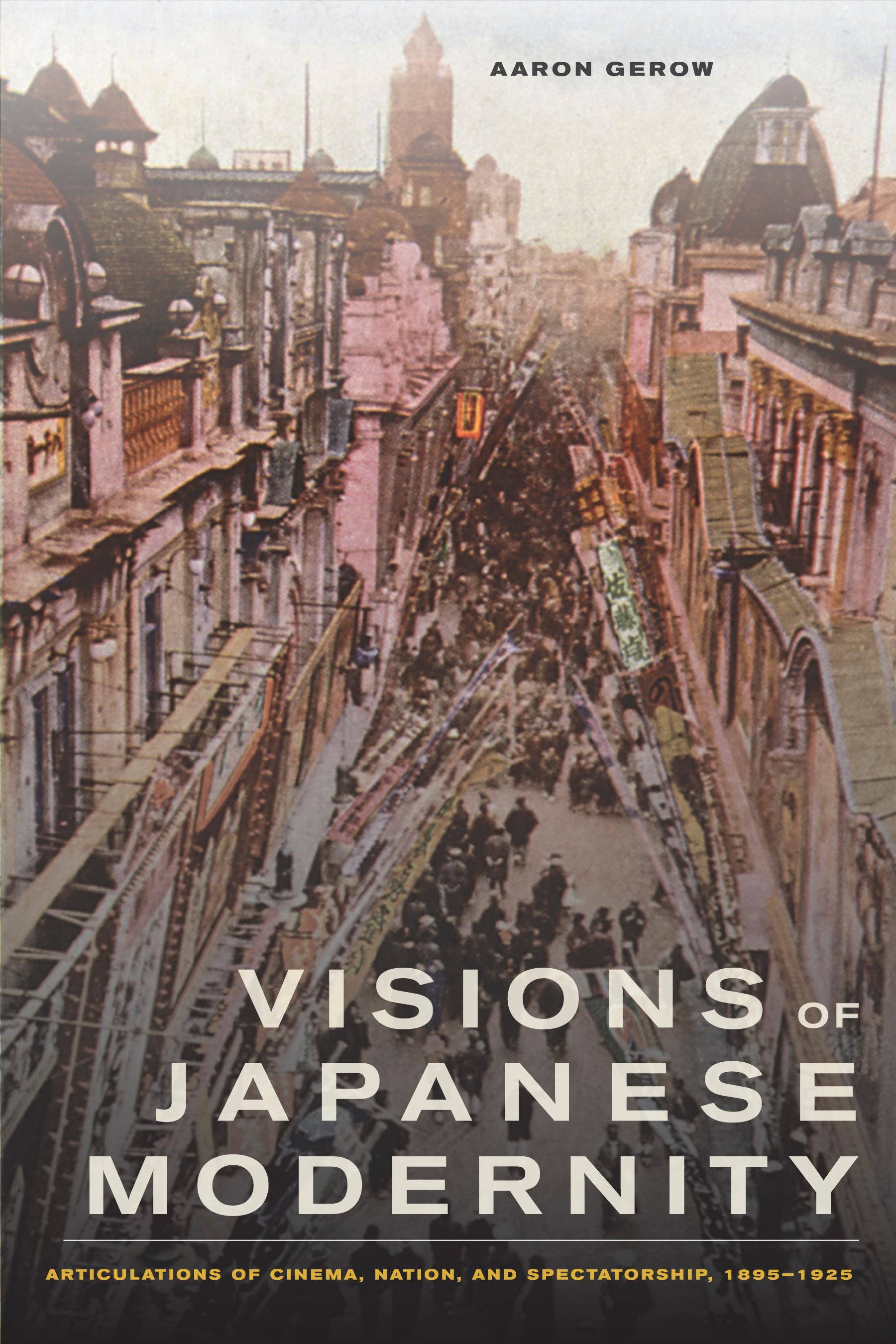
Japan has done marvelous things with cinema, giving the world the likes of Kurosawa, Mizoguchi, and Ozu. But cinema did not arrive in Japan fully formed at the end of the nineteenth century, nor was it simply adopted into an ages-old culture. Aaron Gerow explores the processes by which film was defined, transformed, and adapted during its first three decades in Japan. He focuses in particular on how one trend in criticism, the Pure Film Movement, changed not only the way films were made, but also how they were conceived. Looking closely at the work of critics, theorists, intellectuals, benshi artists, educators, police, and censors, Gerow finds that this trend established a way of thinking about cinema that would reign in Japan for much of the twentieth century.
Betal nemt med kort, Klarna, Apple Pay eller Google Pay. Ikke tilfreds? Du har altid 14 dages fortrydelsesret. Læs mere i vores vilkår. Har du spørgsmål, så send os en mail på hello@memmo.org.
Memmo gør det nemmere at studere – uanset hvor du er i verden. Hos os samler du dine kursusbøger og smarte studieværktøjer ét sted: resuméer, quizzer, podcasts og flashcards. Og så er der Ted, din studieven, der svarer på alt, du undrer dig over. Over 50 000 studerende studerer allerede her – bygget til at hjælpe dig med at lære hurtigere og stresse mindre.
Du kan måske også lide
Køb bogen0