
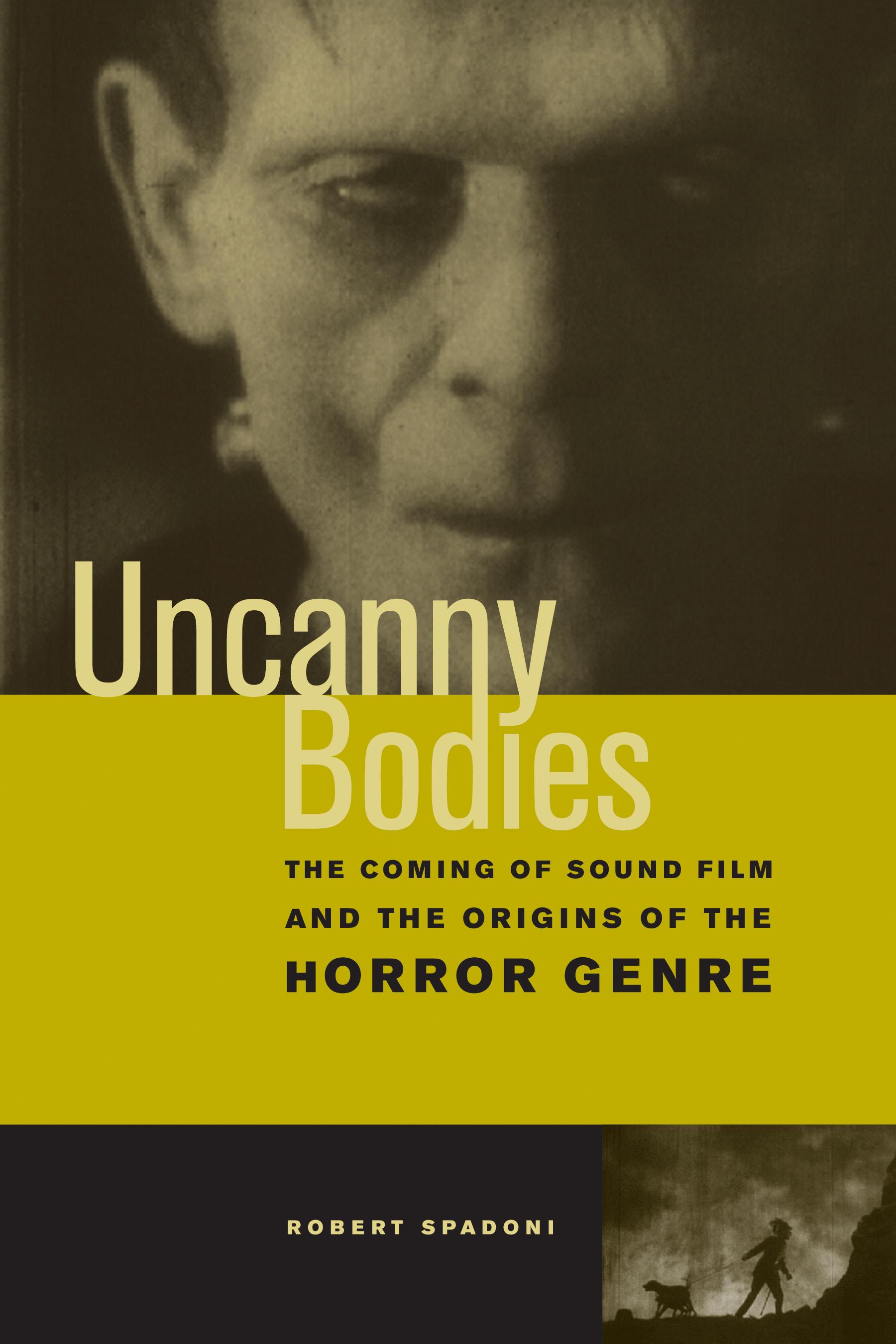
In 1931 Universal Pictures released Dracula and Frankenstein, two films that inaugurated the horror genre in Hollywood cinema. These films appeared directly on the heels of Hollywood's transition to sound film. Uncanny Bodies argues that the coming of sound inspired more in these massively influential horror movies than screams, creaking doors, and howling wolves. A close examination of the historical reception of films of the transition period reveals that sound films could seem to their earliest viewers unreal and ghostly. By comparing this audience impression to the first sound horror films, Robert Spadoni makes a case for understanding film viewing as a force that can powerfully shape both the minutest aspects of individual films and the broadest sweep of film production trends, and for seeing aftereffects of the temporary weirdness of sound film deeply etched in the basic character of one of our most enduring film genres.
Betal nemt med kort, Klarna, Apple Pay eller Google Pay. Ikke tilfreds? Du har altid 14 dages fortrydelsesret. Læs mere i vores vilkår. Har du spørgsmål, så send os en mail på hello@memmo.org.
Memmo gør det nemmere at studere – uanset hvor du er i verden. Hos os samler du dine kursusbøger og smarte studieværktøjer ét sted: resuméer, quizzer, podcasts og flashcards. Og så er der Ted, din studieven, der svarer på alt, du undrer dig over. Over 50 000 studerende studerer allerede her – bygget til at hjælpe dig med at lære hurtigere og stresse mindre.
Du kan måske også lide
Køb bogen0