
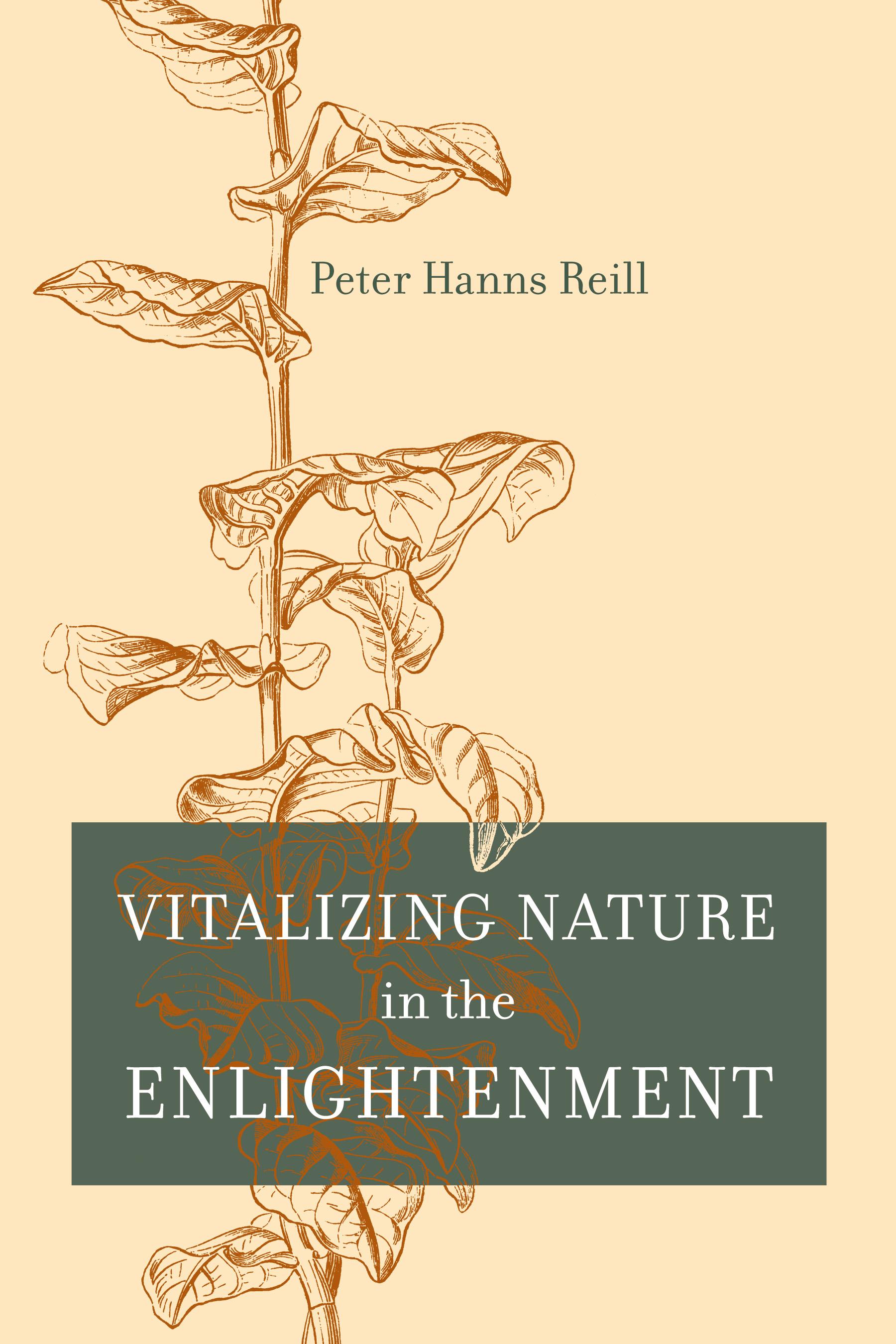
This far-reaching study redraws the intellectual map of the Enlightenment and boldly reassesses the legacy of that highly influential period for us today. Peter Hanns Reill argues that in the middle of the eighteenth century, a major shift occurred in the way Enlightenment thinkers conceived of nature that caused many of them to reject the prevailing doctrine of mechanism and turn to a vitalistic model to account for phenomena in natural history, the life sciences, and chemistry. As he traces the ramifications of this new way of thinking through time and across disciplines, Reill provocatively complicates our understanding of the way key Enlightenment thinkers viewed nature. His sophisticated analysis ultimately questions postmodern narratives that have assumed a monolithic Enlightenment—characterized by the dominance of instrumental reason—that has led to many of the disasters of modern life.
Betal nemt med kort, Klarna, Apple Pay eller Google Pay. Ikke tilfreds? Du har altid 14 dages fortrydelsesret. Læs mere i vores vilkår. Har du spørgsmål, så send os en mail på hello@memmo.org.
Memmo gør det nemmere at studere – uanset hvor du er i verden. Hos os samler du dine kursusbøger og smarte studieværktøjer ét sted: resuméer, quizzer, podcasts og flashcards. Og så er der Ted, din studieven, der svarer på alt, du undrer dig over. Over 50 000 studerende studerer allerede her – bygget til at hjælpe dig med at lære hurtigere og stresse mindre.
Du kan måske også lide
Køb bogen0