
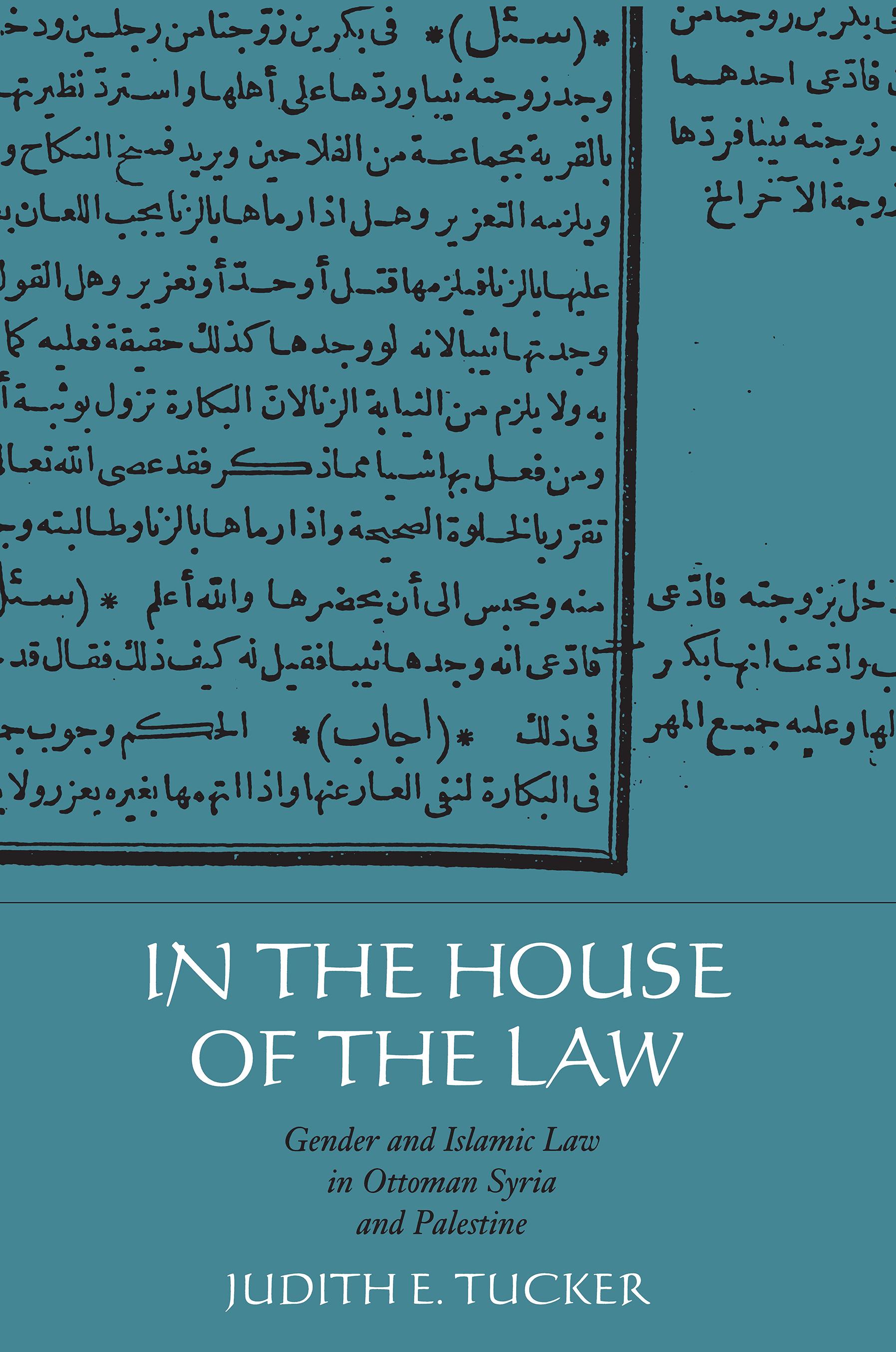
In an rewarding new study, Tucker explores the way in which Islamic legal thinkers understood Islam as it related to women and gender roles. In seventeenth and eighteenth century Syria and Palestine, Muslim legal thinkers gave considerable attention to women's roles in society, and Tucker shows how fatwas, or legal opinions, greatly influenced these roles. She challenges prevailing views on Islam and gender, revealing Islamic law to have been more fluid and flexible than previously thought. Although the legal system had a consistent patriarchal orientation, it was modulated by sensitivities to the practical needs of women, men, and children. In her comprehensive overview of a field long neglected by scholars, Tucker deepens our understanding of how societies, including our own, construct gender roles.
In an rewarding new study, Tucker explores the way in which Islamic legal thinkers understood Islam as it related to women and gender roles. In seventeenth and eighteenth century Syria and Palestine, Muslim legal thinkers gave considerable attention to wo
In an rewarding new study, Tucker explores the way in which Islamic legal thinkers understood Islam as it related to women and gender roles. In seventeenth and eighteenth century Syria and Palestine, Muslim legal thinkers gave considerable attention to wo
Betal nemt med kort, Klarna, Apple Pay eller Google Pay. Ikke tilfreds? Du har altid 14 dages fortrydelsesret. Læs mere i vores vilkår. Har du spørgsmål, så send os en mail på hello@memmo.org.
Memmo gør det nemmere at studere – uanset hvor du er i verden. Hos os samler du dine kursusbøger og smarte studieværktøjer ét sted: resuméer, quizzer, podcasts og flashcards. Og så er der Ted, din studieven, der svarer på alt, du undrer dig over. Over 50 000 studerende studerer allerede her – bygget til at hjælpe dig med at lære hurtigere og stresse mindre.
Du kan måske også lide
Køb bogen0