
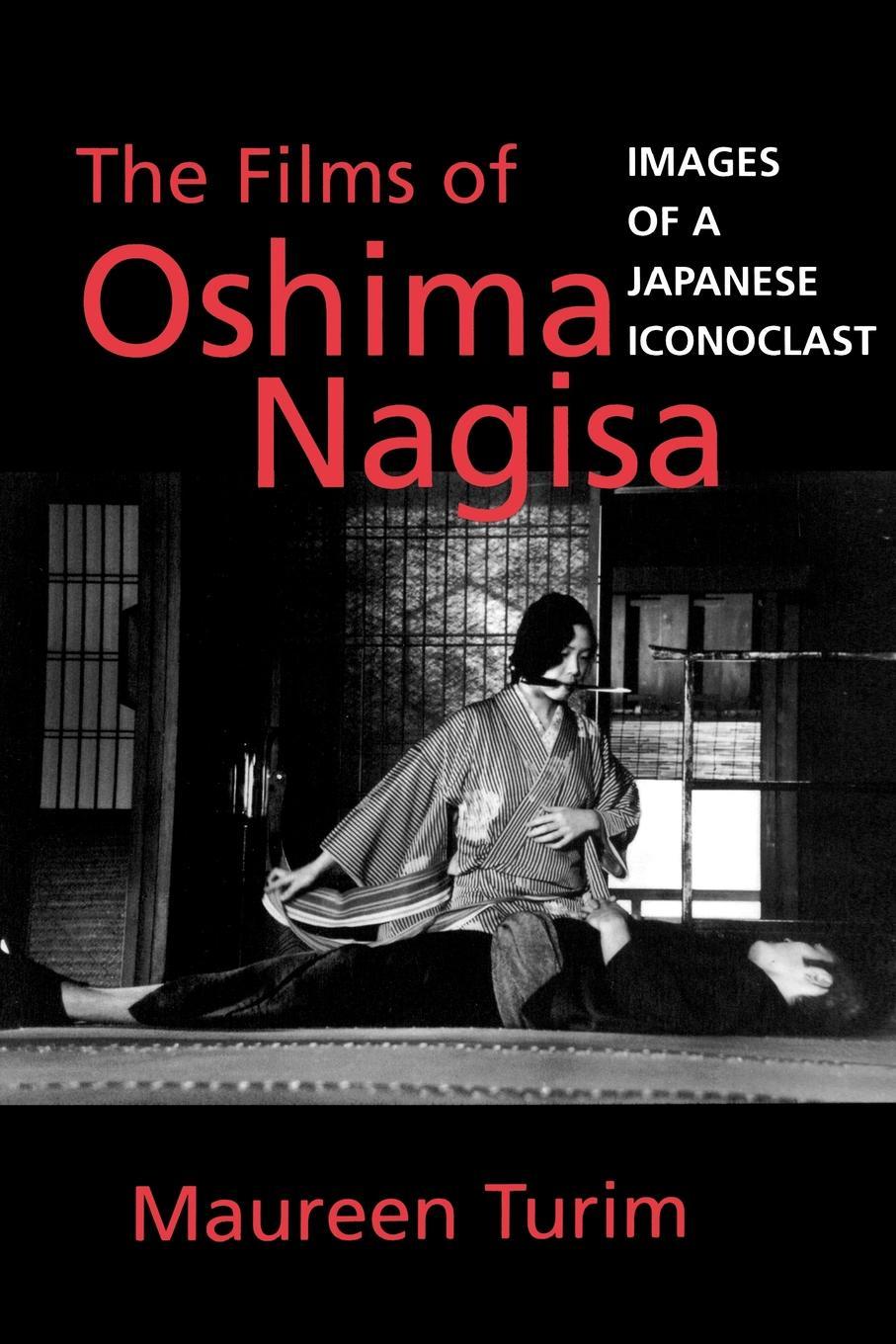
This study of the films of Oshima Nagisa is both an essential introduction to the work of a major postwar director of Japanese cinema and a theoretical exploration of strategies of filmic style. For almost forty years, Oshima has produced provocative films that have received wide distribution and international acclaim. Formally innovative as well as socially daring, they provide a running commentary, direct and indirect, on the cultural and political tensions of postwar Japan.
Best known today for his controversial films In the Realm of the Senses and The Empire of Passion, Oshima engages issues of sexuality and power, domination and identity, which Maureen Turim explores in relation to psychoanalytic and postmodern theory. The films' complex representation of women in Japanese society receives detailed and careful scrutiny, as does their political engagement with the Japanese student movement, postwar anti-American sentiments, and critiques of Stalinist tendencies of the Left. Turim also considers Oshima's surprising comedies, his experimentation with Brechtian and avant-garde theatricality as well as reflexive textuality, and his essayist documentaries in this look at an artist's gifted and vital attempt to put his will on film.
This study of the films of Oshima Nagisa is both an essential introduction to the work of a major postwar director of Japanese cinema and a theoretical exploration of strategies of filmic style. For almost forty years, Oshima has produced provocative film
Best known today for his controversial films In the Realm of the Senses and The Empire of Passion, Oshima engages issues of sexuality and power, domination and identity, which Maureen Turim explores in relation to psychoanalytic and postmodern theory. The films' complex representation of women in Japanese society receives detailed and careful scrutiny, as does their political engagement with the Japanese student movement, postwar anti-American sentiments, and critiques of Stalinist tendencies of the Left. Turim also considers Oshima's surprising comedies, his experimentation with Brechtian and avant-garde theatricality as well as reflexive textuality, and his essayist documentaries in this look at an artist's gifted and vital attempt to put his will on film.
This study of the films of Oshima Nagisa is both an essential introduction to the work of a major postwar director of Japanese cinema and a theoretical exploration of strategies of filmic style. For almost forty years, Oshima has produced provocative film
Betal nemt med kort, Klarna, Apple Pay eller Google Pay. Ikke tilfreds? Du har altid 14 dages fortrydelsesret. Læs mere i vores vilkår. Har du spørgsmål, så send os en mail på hello@memmo.org.
Memmo gør det nemmere at studere – uanset hvor du er i verden. Hos os samler du dine kursusbøger og smarte studieværktøjer ét sted: resuméer, quizzer, podcasts og flashcards. Og så er der Ted, din studieven, der svarer på alt, du undrer dig over. Over 50 000 studerende studerer allerede her – bygget til at hjælpe dig med at lære hurtigere og stresse mindre.
Du kan måske også lide
Køb bogen0