
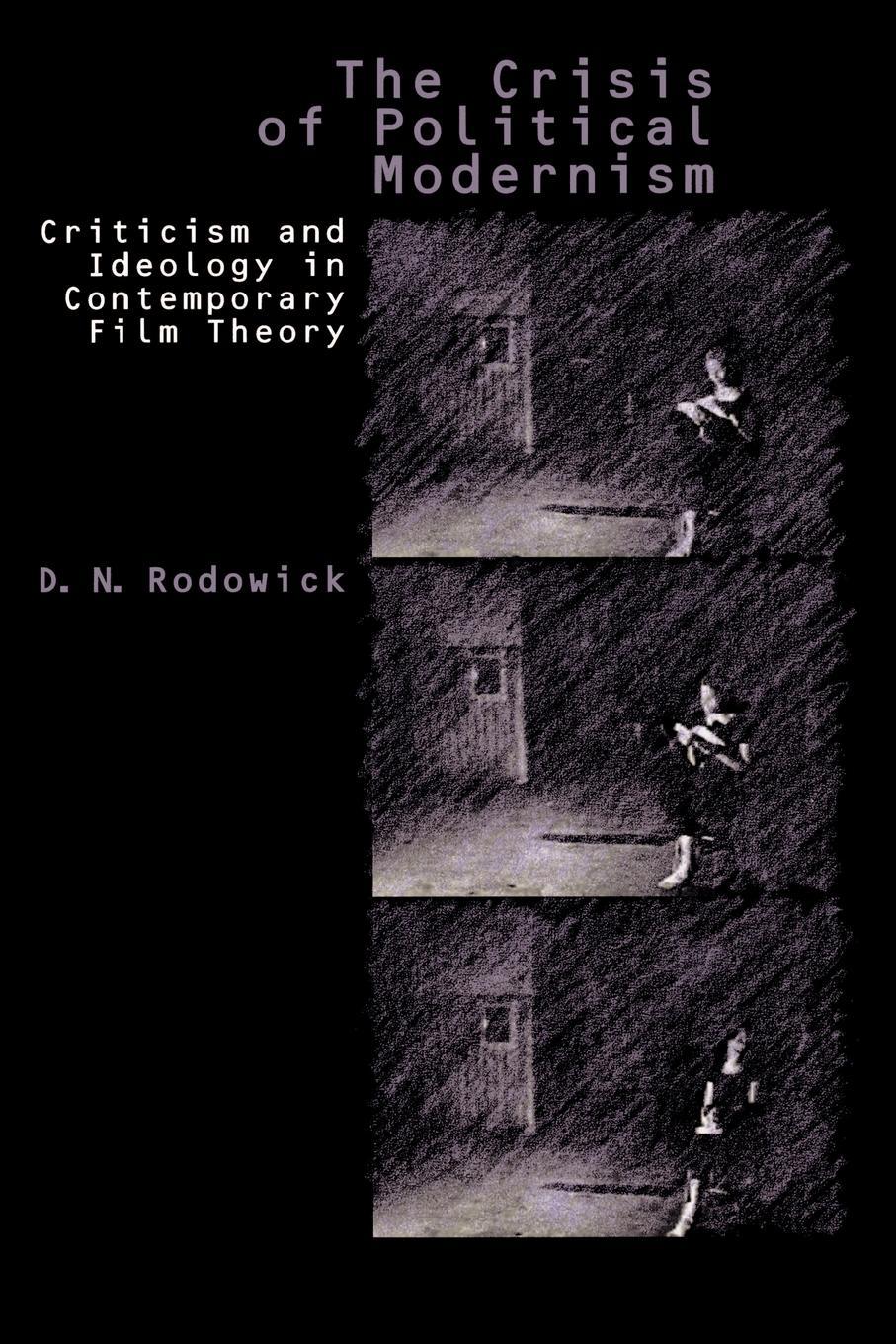
D.N. Rodowick offers a critical analysis of the development of film theory since 1968. He shows how debates concerning the literary principles of modernism—semiotics, structuralism, psychoanalysis, Marxism, and feminism—have transformed our understanding of cinematic meaning. Rodowick explores the literary paradigms established in France during the late 1960s and traces their influence on the work of diverse filmmaker/theorists including Jean-Luc Godard, Peter Gidal, Laura Mulvey, and Peter Wollen. By exploring the "new French feminisms" of Irigaray and Kristeva, he investigates the relation of political modernism to psychoanalysis and theories of sexual difference. In a new introduction written especially for this edition, Rodowick considers the continuing legacy of this theoretical tradition in relation to the emergence of cultural studies approaches to film.
D.N. Rodowick offers a critical analysis of the development of film theory since 1968. He shows how debates concerning the literary principles of modernism—semiotics, structuralism, psychoanalysis, Marxism, and feminism—have transformed our understanding
D.N. Rodowick offers a critical analysis of the development of film theory since 1968. He shows how debates concerning the literary principles of modernism—semiotics, structuralism, psychoanalysis, Marxism, and feminism—have transformed our understanding
Betal nemt med kort, Klarna, Apple Pay eller Google Pay. Ikke tilfreds? Du har altid 14 dages fortrydelsesret. Læs mere i vores vilkår. Har du spørgsmål, så send os en mail på hello@memmo.org.
Memmo gør det nemmere at studere – uanset hvor du er i verden. Hos os samler du dine kursusbøger og smarte studieværktøjer ét sted: resuméer, quizzer, podcasts og flashcards. Og så er der Ted, din studieven, der svarer på alt, du undrer dig over. Over 50 000 studerende studerer allerede her – bygget til at hjælpe dig med at lære hurtigere og stresse mindre.
Du kan måske også lide
Køb bogen0