
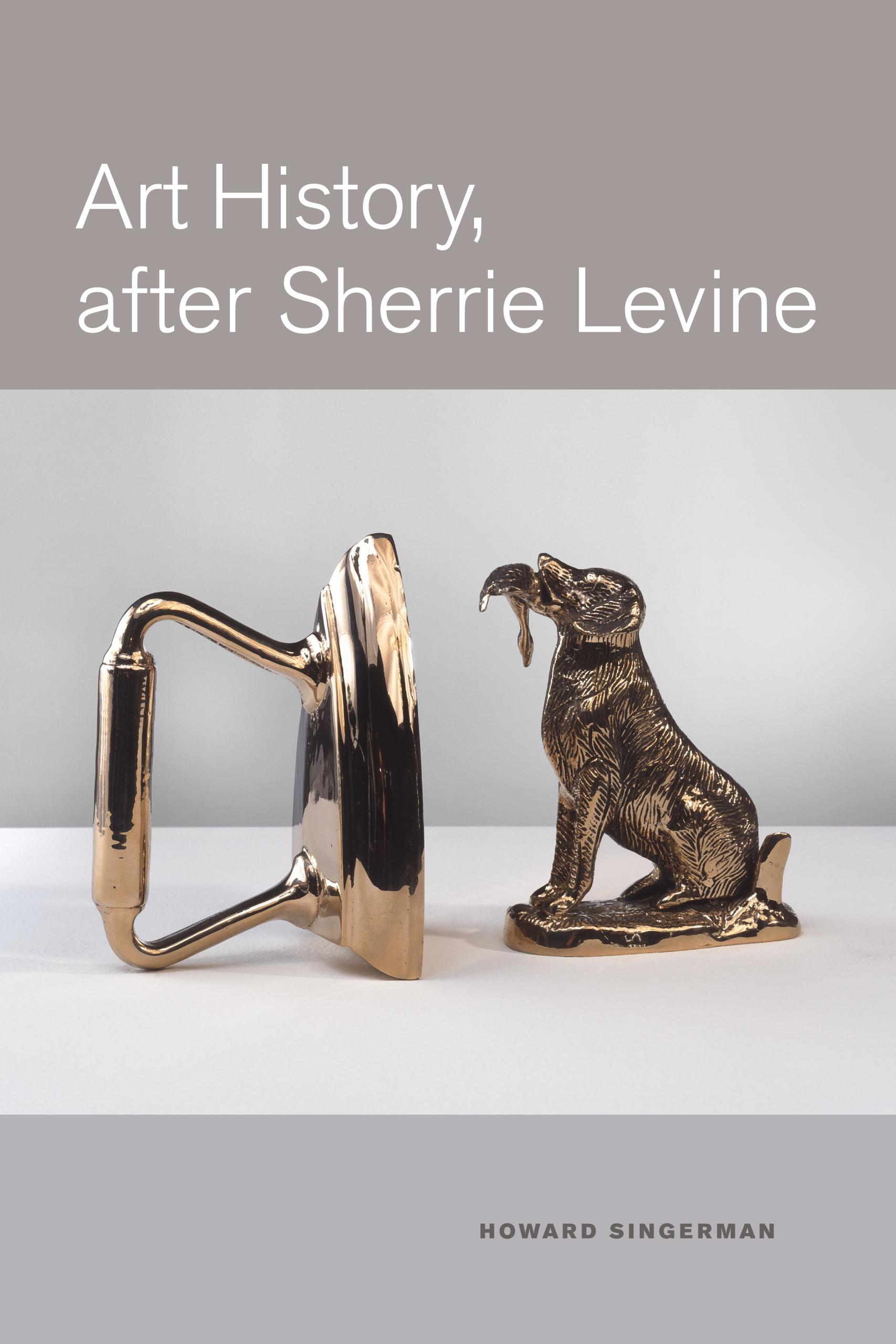
This book examines the career of New York-based artist Sherrie Levine, whose 1981 series of photographs "after Walker Evans"—taken not from life but from Evans’s famous depression-era documents of rural Alabama—became central examples in theorizing postmodernism in the visual arts in the 1980s. For the first in-depth examination of Levine, Howard Singerman surveys a wide variety of sources, both historical and theoretical, to assess an artist whose work was understood from the outset to challenge both the label "artist" and the idea of oeuvre—and who has over the past three decades crafted a significant oeuvre of her own. Singerman addresses Levine’s work after Evans, Brancusi, Malevich, and others as an experimental art historical practice—material reenactments of the way the work of art history is always doubled in and structured by language, and of the ways the art itself resists.
Betal nemt med kort, Klarna, Apple Pay eller Google Pay. Ikke tilfreds? Du har altid 14 dages fortrydelsesret. Læs mere i vores vilkår. Har du spørgsmål, så send os en mail på hello@memmo.org.
Memmo gør det nemmere at studere – uanset hvor du er i verden. Hos os samler du dine kursusbøger og smarte studieværktøjer ét sted: resuméer, quizzer, podcasts og flashcards. Og så er der Ted, din studieven, der svarer på alt, du undrer dig over. Over 50 000 studerende studerer allerede her – bygget til at hjælpe dig med at lære hurtigere og stresse mindre.
Du kan måske også lide
Køb bogen0