
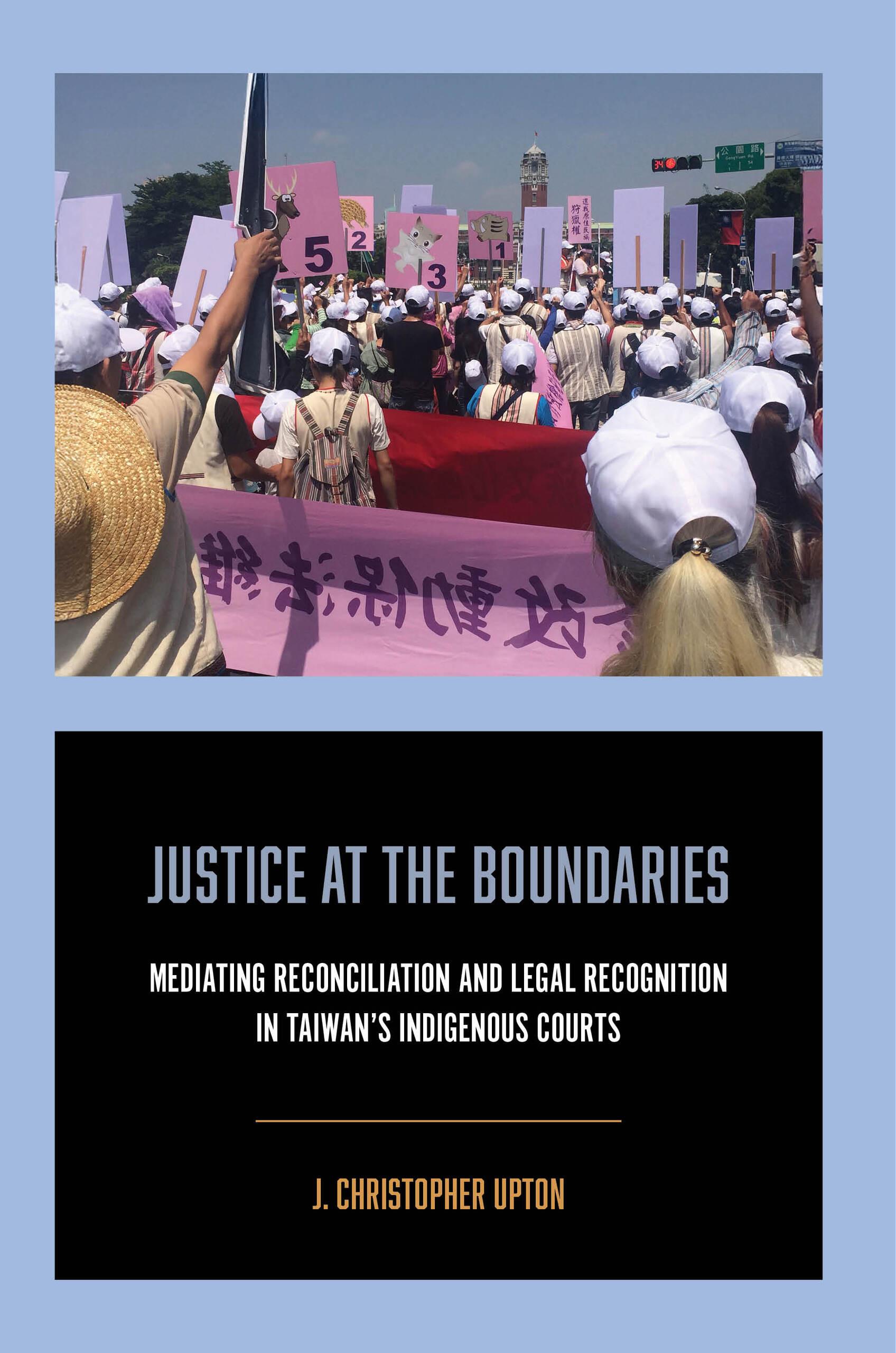
Justice at the Boundaries offers a powerful ethnographic account of the transformative potential and structural limitations of Taiwan's system of ad hoc Chambers of Indigenous Courts. Drawing on immersive fieldwork in courtrooms and Indigenous communities, J. Christopher Upton examines how judges, Indigenous litigants, and cultural brokers navigate contested terrains of law, identity, and sovereignty in a legal system shaped by ongoing processes of colonialism and aspirations of multiculturalism. From invocations of Indigenous laws to appeals to international human rights norms, the book reveals how courtroom encounters become sites of cultural negotiation, resistance, and possibility. Upton shows how Taiwan's Indigenous courts and other "boundary institutions" designed to bridge Indigenous and non-Indigenous worlds both challenge and reproduce entrenched hierarchies and power dynamics. The book brings fresh methodological and conceptual tools to the study of legal pluralism, Indigenous courts, Indigenous peoples' rights, and the complex politics of Indigenous recognition in the Asia-Pacific region and beyond.
Betal nemt med kort, Klarna, Apple Pay eller Google Pay. Ikke tilfreds? Du har altid 14 dages fortrydelsesret. Læs mere i vores vilkår. Har du spørgsmål, så send os en mail på hello@memmo.org.
Memmo gør det nemmere at studere – uanset hvor du er i verden. Hos os samler du dine kursusbøger og smarte studieværktøjer ét sted: resuméer, quizzer, podcasts og flashcards. Og så er der Ted, din studieven, der svarer på alt, du undrer dig over. Over 50 000 studerende studerer allerede her – bygget til at hjælpe dig med at lære hurtigere og stresse mindre.