
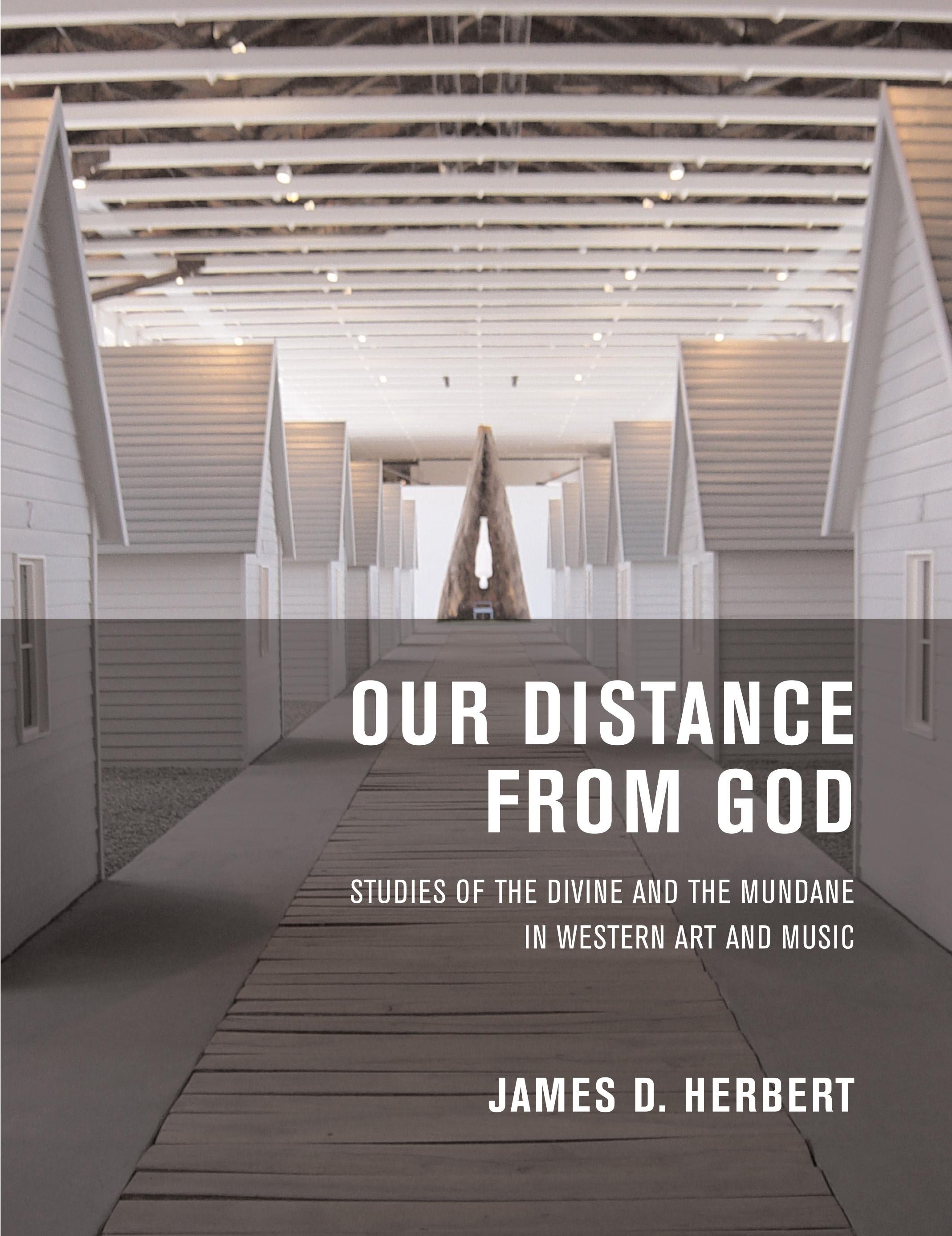
In this encounter between reflections on Christian theology and the history of art and music, James D. Herbert considers how specific works of art establish a relation between the divine and the earthbound audiences for whom the art was created. He looks at five case studies over four centuries: the architecture and artworks that glorified Louis XIV at Versailles, the interaction of libretto and music in Richard Wagner's Ring of the Nibelung, Claude Monet's enormous paintings of water lilies mounted at the Orangerie of Paris in 1927, the inaugural performance in 1962 of Benjamin Britten's War Requiem at the new Anglican cathedral in Coventry, and Robert Wilson's recent installation based on the Passion, 14 Stations.
Betal nemt med kort, Klarna, Apple Pay eller Google Pay. Ikke tilfreds? Du har altid 14 dages fortrydelsesret. Læs mere i vores vilkår. Har du spørgsmål, så send os en mail på hello@memmo.org.
Memmo gør det nemmere at studere – uanset hvor du er i verden. Hos os samler du dine kursusbøger og smarte studieværktøjer ét sted: resuméer, quizzer, podcasts og flashcards. Og så er der Ted, din studieven, der svarer på alt, du undrer dig over. Over 50 000 studerende studerer allerede her – bygget til at hjælpe dig med at lære hurtigere og stresse mindre.
Du kan måske også lide
Køb bogen0