
A free book version of this title is available through Luminos, University of California Press's Open Access publishing program. Visit www.luminosoa.org to learn more.
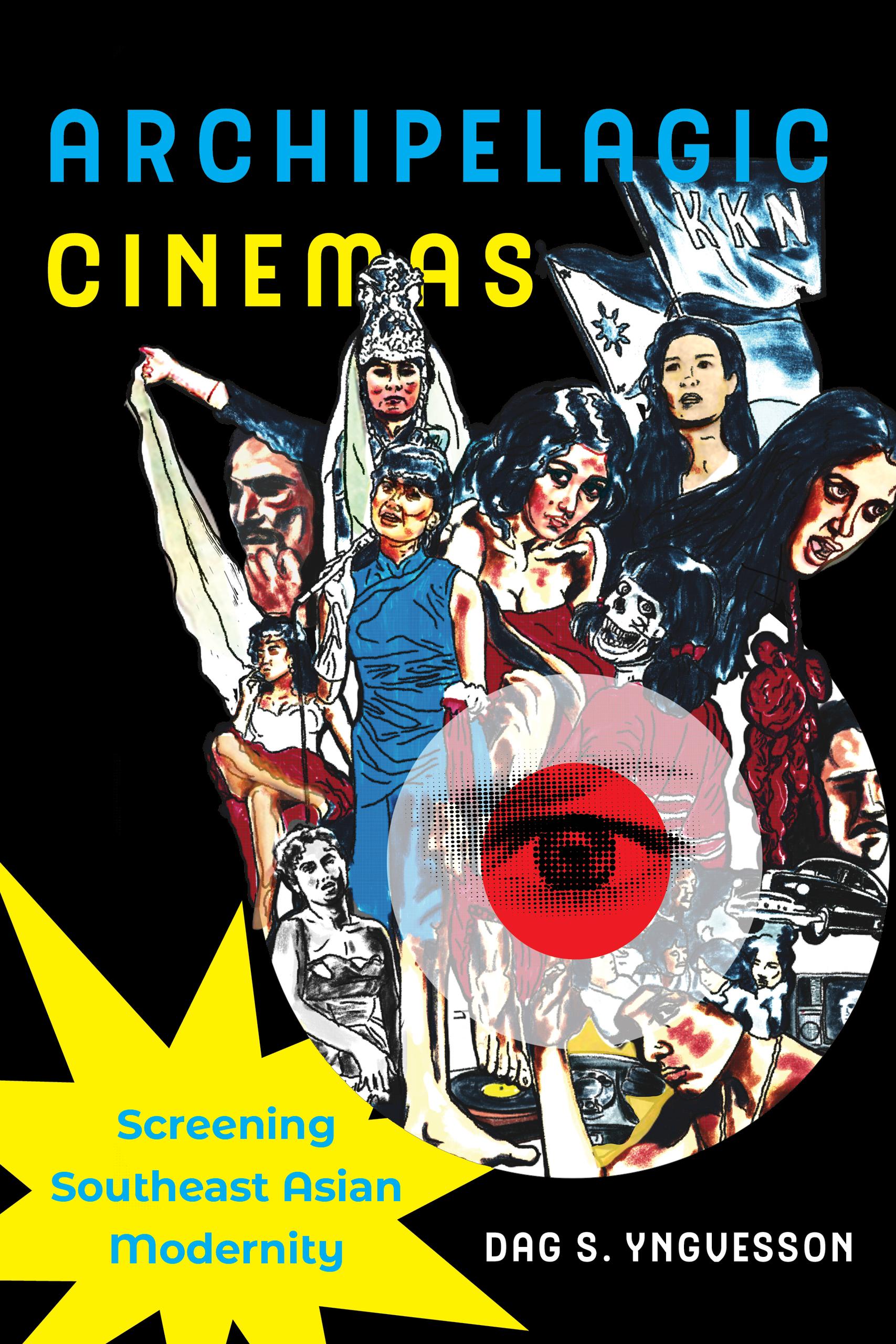
Archipelagic Cinemas compares trajectories of cinematic and political development across Southeast Asia from the mid-twentieth century to the present, taking the Indonesian island of Java as a key point of departure. Its "archipelagic" approach reflects a region of tanah air (land-water) where strategies of communication are shaped by the inevitability of difference and constant change. Archipelagic Cinemas foregrounds the outgrowth of local motion pictures from established regional modes of expression, such as touring vernacular theaters, known for their improvised assemblies of narratives and aesthetics from diverse places and times. Similarly, Southeast Asian movies have distinguished themselves by rejecting the imposition of a single, sovereign, or necessarily masculine point of reference. Filmmakers respond to political and social shifts with populist shows of unruliness, mockery, and often horror while challenging binary interpretations of good and evil, self and other, and on- and off-screen space. A common cinematic "matrifocal gaze" takes the blurring of women's and men's roles in the region as a tool of engagement with nationalist contests over gender and power. Together, regional cinemas set the stage for a multifarious modern visuality rooted in the unique, intertwined histories of Southeast Asian nations.
Archipelagic Cinemas compares trajectories of cinematic and political development across Southeast Asia from the mid-twentieth century to the present, taking the Indonesian island of Java as a key point of departure. Its "archipelagic" approach reflects a region of tanah air (land-water) where strategies of communication are shaped by the inevitability of difference and constant change. Archipelagic Cinemas foregrounds the outgrowth of local motion pictures from established regional modes of expression, such as touring vernacular theaters, known for their improvised assemblies of narratives and aesthetics from diverse places and times. Similarly, Southeast Asian movies have distinguished themselves by rejecting the imposition of a single, sovereign, or necessarily masculine point of reference. Filmmakers respond to political and social shifts with populist shows of unruliness, mockery, and often horror while challenging binary interpretations of good and evil, self and other, and on- and off-screen space. A common cinematic "matrifocal gaze" takes the blurring of women's and men's roles in the region as a tool of engagement with nationalist contests over gender and power. Together, regional cinemas set the stage for a multifarious modern visuality rooted in the unique, intertwined histories of Southeast Asian nations.
Betal nemt med kort, Klarna, Apple Pay eller Google Pay. Ikke tilfreds? Du har altid 14 dages fortrydelsesret. Læs mere i vores vilkår. Har du spørgsmål, så send os en mail på hello@memmo.org.
Memmo gør det nemmere at studere – uanset hvor du er i verden. Hos os samler du dine kursusbøger og smarte studieværktøjer ét sted: resuméer, quizzer, podcasts og flashcards. Og så er der Ted, din studieven, der svarer på alt, du undrer dig over. Over 50 000 studerende studerer allerede her – bygget til at hjælpe dig med at lære hurtigere og stresse mindre.
Du kan måske også lide
Køb bogen0