
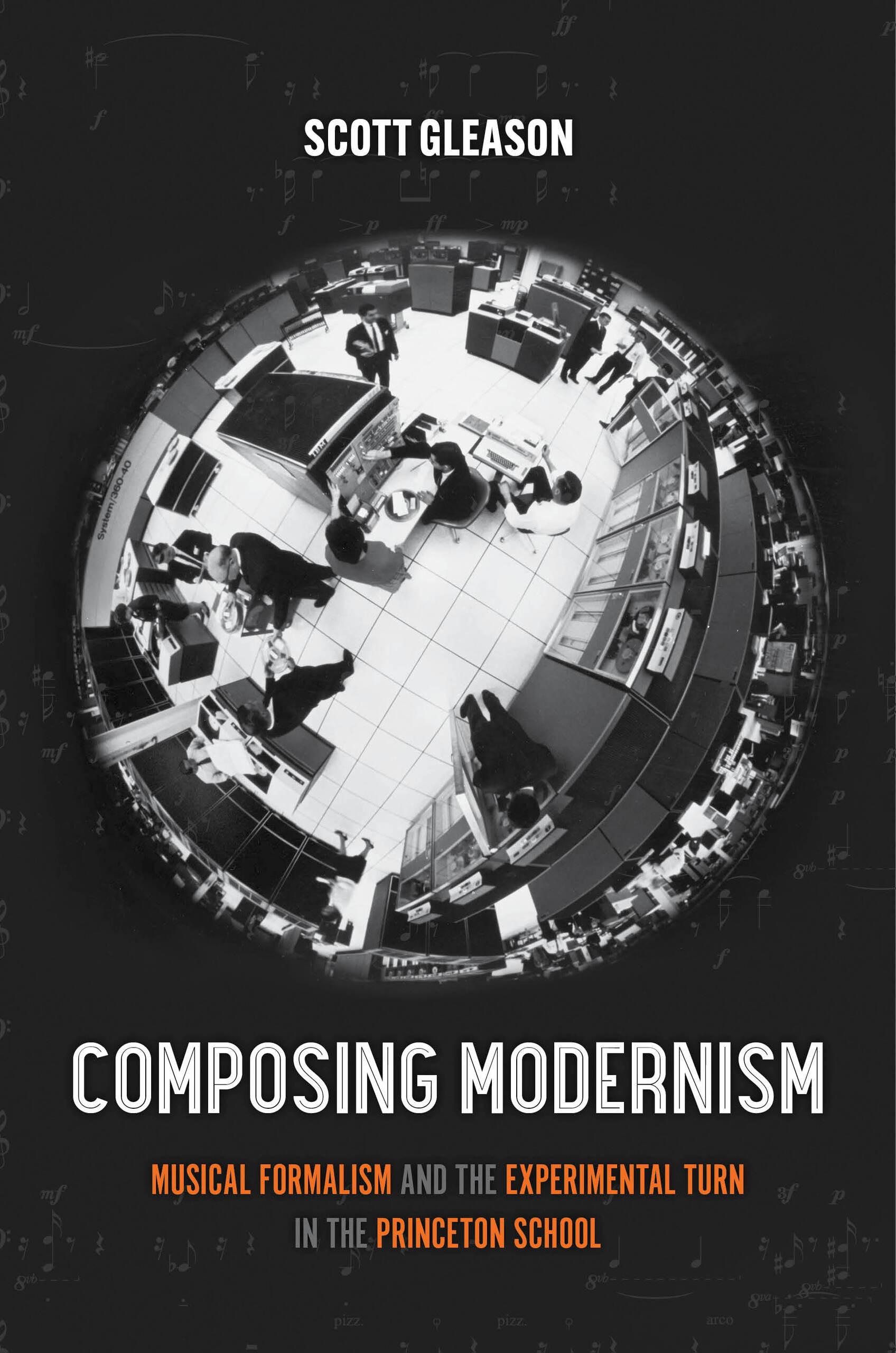
Composing Modernism is the first book-length study to tell the fascinating story of a key strain of American composition during the Cold War. The Princeton School set aspirations for postwar music composition and discourse. Milton Babbitt especially sought a scientific conception of the composing researcher. Around 1967, J. K. Randall began challenging the School's tenets of twelve-tone composition, music-theoretical axiomatization, and electronic synthesis. Randall, Elaine Barkin, and Benjamin Boretz embraced Cagean experimentalism and turned to phenomenology, improvisation, and new forms of community making. This book explores these contrasting paradigms of the musical avant-garde, with a focus on the people, subjects, and aesthetic and formal aspects of a major force in Cold War music. By uncovering many of the ideologies of the Princeton School, Scott Gleason highlights the utopian thought that was central across several generations of Princeton composer-theorists.
Betal nemt med kort, Klarna, Apple Pay eller Google Pay. Ikke tilfreds? Du har altid 14 dages fortrydelsesret. Læs mere i vores vilkår. Har du spørgsmål, så send os en mail på hello@memmo.org.
Memmo gør det nemmere at studere – uanset hvor du er i verden. Hos os samler du dine kursusbøger og smarte studieværktøjer ét sted: resuméer, quizzer, podcasts og flashcards. Og så er der Ted, din studieven, der svarer på alt, du undrer dig over. Over 50 000 studerende studerer allerede her – bygget til at hjælpe dig med at lære hurtigere og stresse mindre.