
A free book version of this title is available through Luminos, University of California Press's Open Access publishing program. Visit www.luminosoa.org to learn more.
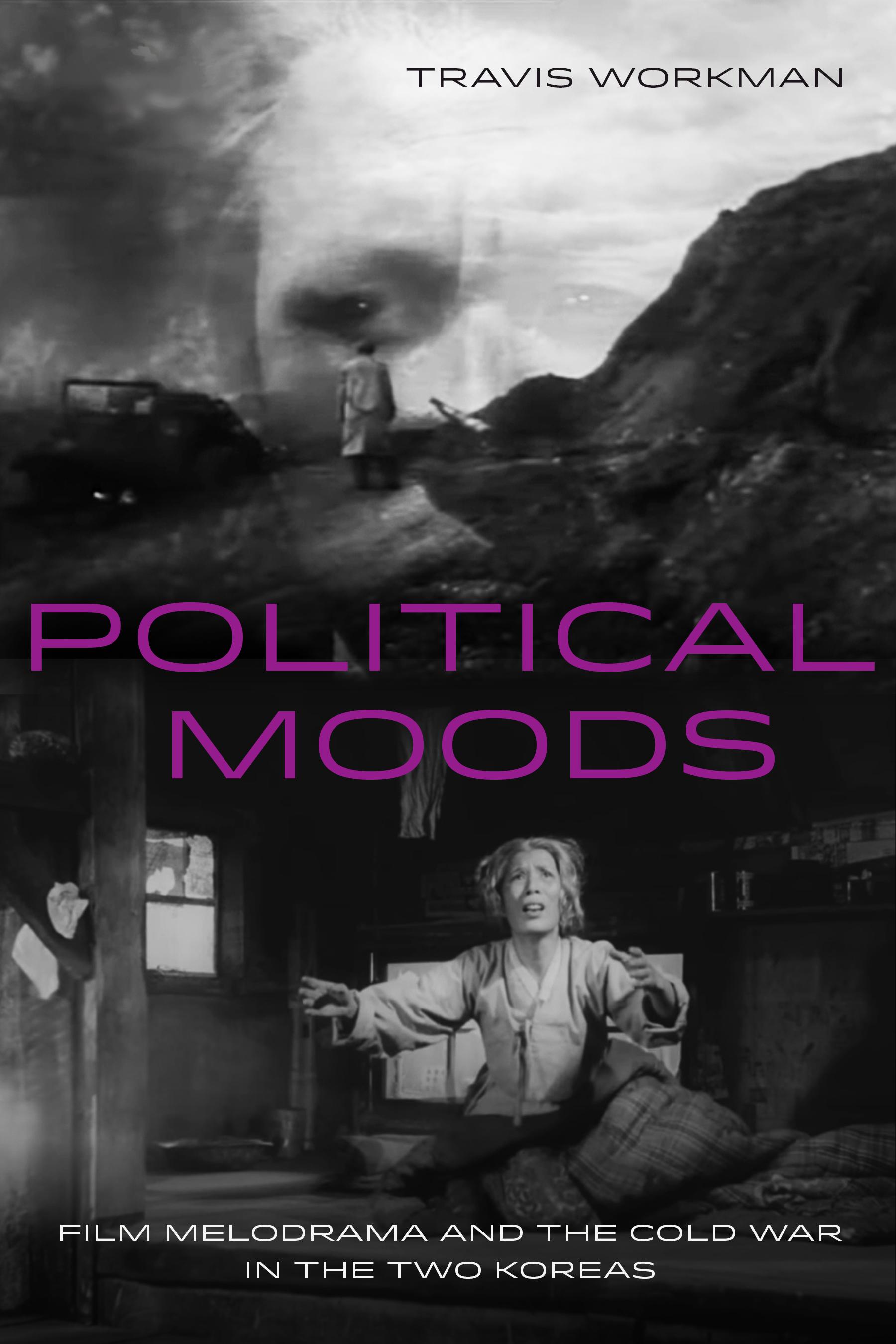
Melodrama films dominated the North and South Korean industries in the period between liberation from Japanese colonial rule in 1945 and the hardening of dictatorship in the 1970s. The films of each industry are often read as direct reflections of Cold War and Korean War political ideologies and national historical experiences, and therefore as aesthetically and politically opposed to each other. However, Political Moods develops a comparative analysis across the Cold War divide, analyzing how films in both North and South Korea convey political and moral ideas through the sentimentality of the melodramatic mode. Travis Workman reveals that the melancholic moods of film melodrama express the somatic and social conflicts between political ideologies and excesses of affect, meaning, and historical references. These moods dramatize the tension between the language of Cold War politics and the negative affects that connect cinema to what it cannot fully represent. The result is a new way of historicizing the cinema of the two Koreas in relation to colonialism, postcolonialism, war, and nation building.
Melodrama films dominated the North and South Korean industries in the period between liberation from Japanese colonial rule in 1945 and the hardening of dictatorship in the 1970s. The films of each industry are often read as direct reflections of Cold War and Korean War political ideologies and national historical experiences, and therefore as aesthetically and politically opposed to each other. However, Political Moods develops a comparative analysis across the Cold War divide, analyzing how films in both North and South Korea convey political and moral ideas through the sentimentality of the melodramatic mode. Travis Workman reveals that the melancholic moods of film melodrama express the somatic and social conflicts between political ideologies and excesses of affect, meaning, and historical references. These moods dramatize the tension between the language of Cold War politics and the negative affects that connect cinema to what it cannot fully represent. The result is a new way of historicizing the cinema of the two Koreas in relation to colonialism, postcolonialism, war, and nation building.
Betal nemt med kort, Klarna, Apple Pay eller Google Pay. Ikke tilfreds? Du har altid 14 dages fortrydelsesret. Læs mere i vores vilkår. Har du spørgsmål, så send os en mail på hello@memmo.org.
Memmo gør det nemmere at studere – uanset hvor du er i verden. Hos os samler du dine kursusbøger og smarte studieværktøjer ét sted: resuméer, quizzer, podcasts og flashcards. Og så er der Ted, din studieven, der svarer på alt, du undrer dig over. Over 50 000 studerende studerer allerede her – bygget til at hjælpe dig med at lære hurtigere og stresse mindre.
Du kan måske også lide
Køb bogen0