
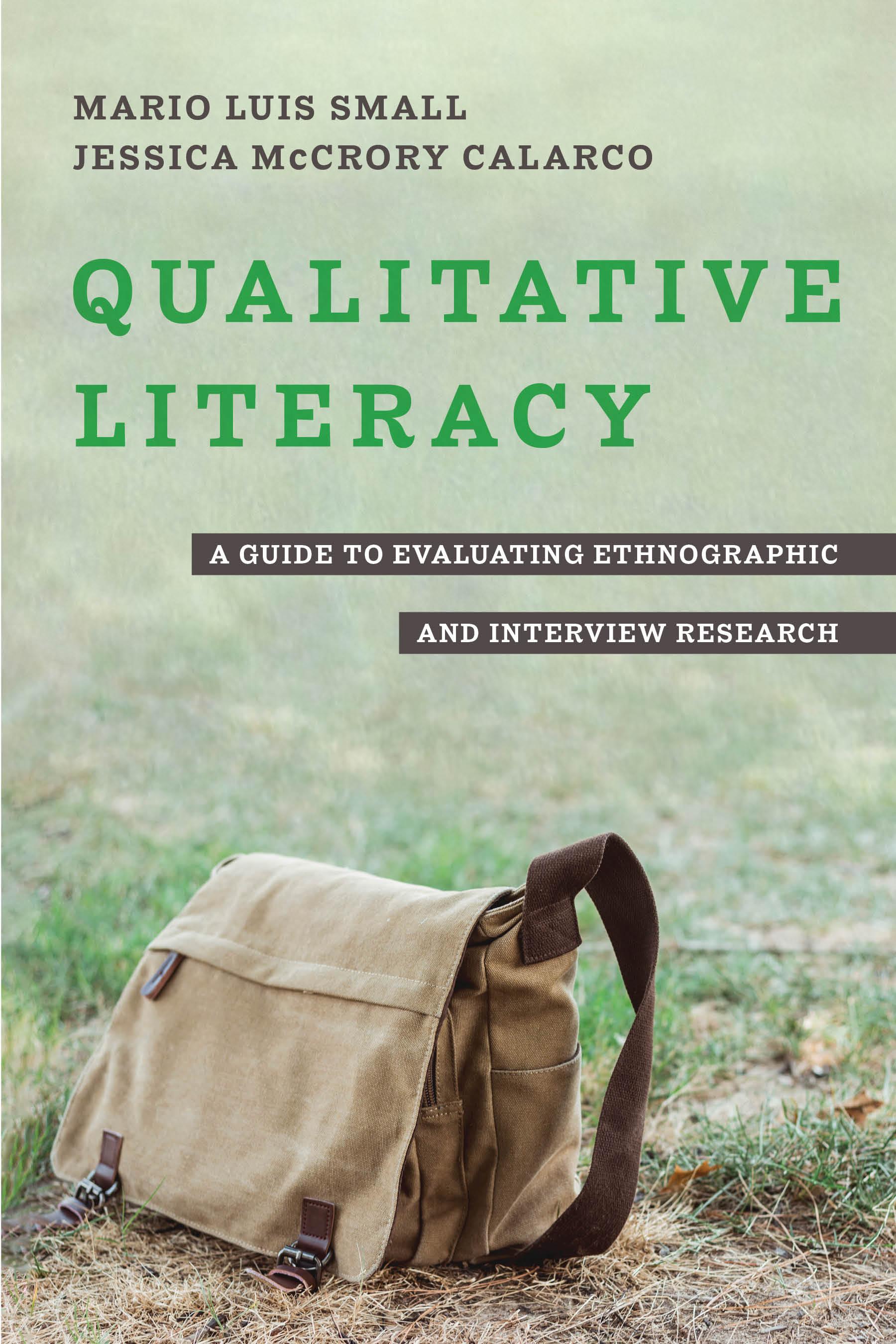
Suppose you were given two qualitative studies: one is a piece of empirically sound social science and the other, though interesting and beautifully written, is not. How would you tell the difference? Qualitative Literacy presents criteria to assess qualitative research methods such as in-depth interviewing and participant observation. Qualitative research is indispensable to the study of inequality, poverty, education, public health, immigration, the family, and criminal justice. Each of the hundreds of ethnographic and interview studies published yearly on these issues is scientifically either sound or unsound. This guide provides social scientists, researchers, students, evaluators, policy makers, and journalists with the tools needed to identify and evaluate quality in field research.
Betal nemt med kort, Klarna, Apple Pay eller Google Pay. Ikke tilfreds? Du har altid 14 dages fortrydelsesret. Læs mere i vores vilkår. Har du spørgsmål, så send os en mail på hello@memmo.org.
Memmo gør det nemmere at studere – uanset hvor du er i verden. Hos os samler du dine kursusbøger og smarte studieværktøjer ét sted: resuméer, quizzer, podcasts og flashcards. Og så er der Ted, din studieven, der svarer på alt, du undrer dig over. Over 50 000 studerende studerer allerede her – bygget til at hjælpe dig med at lære hurtigere og stresse mindre.
Du kan måske også lide
Køb bogen0