
A free book version of this title is available through Luminos, University of California Press's Open Access publishing program. Visit www.luminosoa.org to learn more.
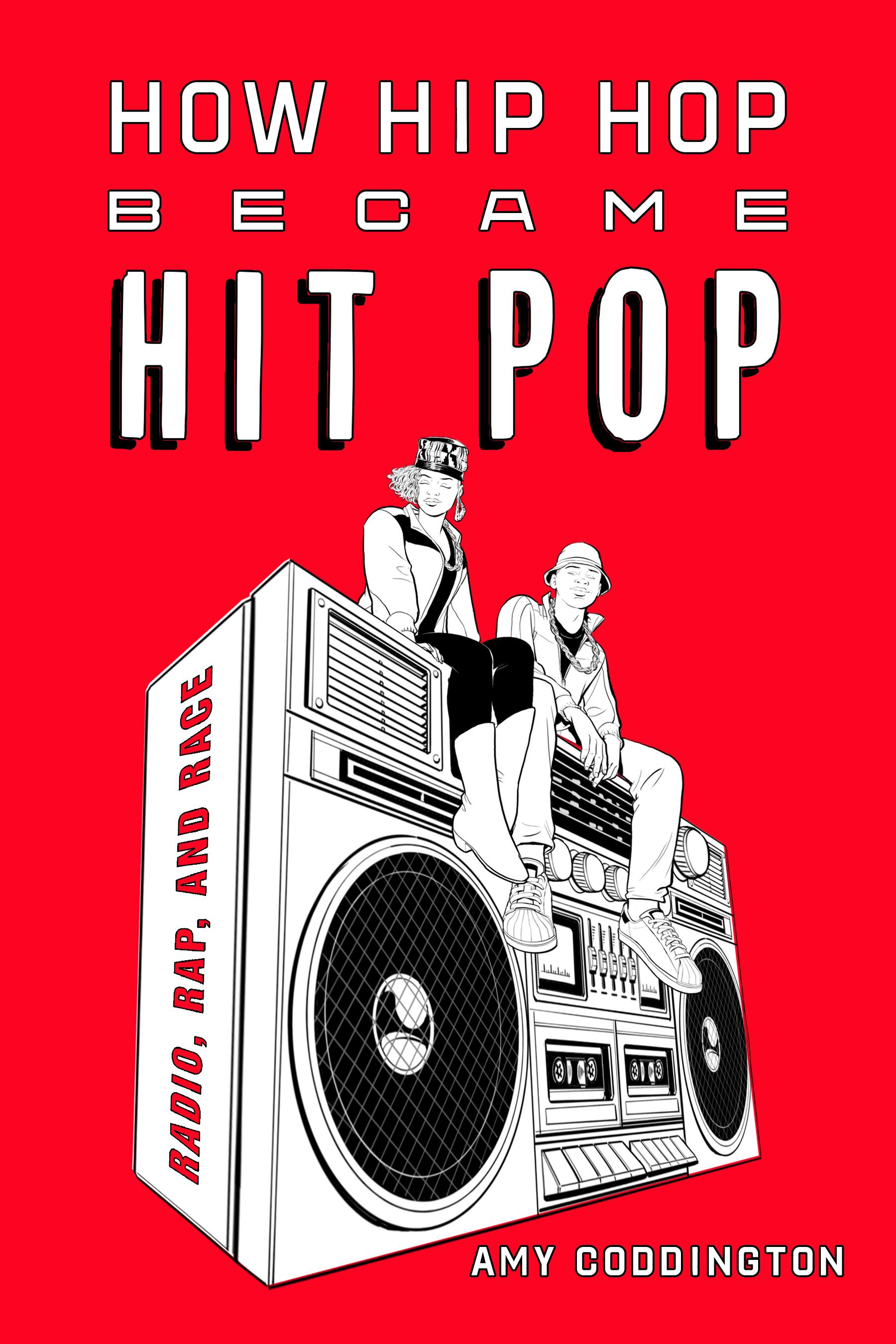
How Hip Hop Became Hit Pop examines the programming practices at commercial radio stations in the 1980s and early 1990s to uncover how the radio industry facilitated hip hop's introduction into the musical mainstream. Constructed primarily by the Top 40 radio format, the musical mainstream featured mostly white artists for mostly white audiences. With the introduction of hip hop to these programs, the radio industry was fundamentally altered, as stations struggled to incorporate the genre's diverse audience. At the same time, as artists negotiated expanding audiences and industry pressure to make songs fit within the confines of radio formats, the sound of hip hop changed. Drawing from archival research, Amy Coddington shows how the racial structuring of the radio industry influenced the way hip hop was sold to the American public, and how the genre's growing popularity transformed ideas about who constitutes the mainstream.
The author gratefully acknowledges the AMS 75 PAYS Fund of the American Musicological Society, supported in part by the National Endowment for the Humanities and the Andrew W. Mellon Foundation.
How Hip Hop Became Hit Pop examines the programming practices at commercial radio stations in the 1980s and early 1990s to uncover how the radio industry facilitated hip hop's introduction into the musical mainstream. Constructed primarily by the Top 40 radio format, the musical mainstream featured mostly white artists for mostly white audiences. With the introduction of hip hop to these programs, the radio industry was fundamentally altered, as stations struggled to incorporate the genre's diverse audience. At the same time, as artists negotiated expanding audiences and industry pressure to make songs fit within the confines of radio formats, the sound of hip hop changed. Drawing from archival research, Amy Coddington shows how the racial structuring of the radio industry influenced the way hip hop was sold to the American public, and how the genre's growing popularity transformed ideas about who constitutes the mainstream.
The author gratefully acknowledges the AMS 75 PAYS Fund of the American Musicological Society, supported in part by the National Endowment for the Humanities and the Andrew W. Mellon Foundation.
Betal nemt med kort, Klarna, Apple Pay eller Google Pay. Ikke tilfreds? Du har altid 14 dages fortrydelsesret. Læs mere i vores vilkår. Har du spørgsmål, så send os en mail på hello@memmo.org.
Memmo gør det nemmere at studere – uanset hvor du er i verden. Hos os samler du dine kursusbøger og smarte studieværktøjer ét sted: resuméer, quizzer, podcasts og flashcards. Og så er der Ted, din studieven, der svarer på alt, du undrer dig over. Over 50 000 studerende studerer allerede her – bygget til at hjælpe dig med at lære hurtigere og stresse mindre.
Du kan måske også lide
Køb bogen0