
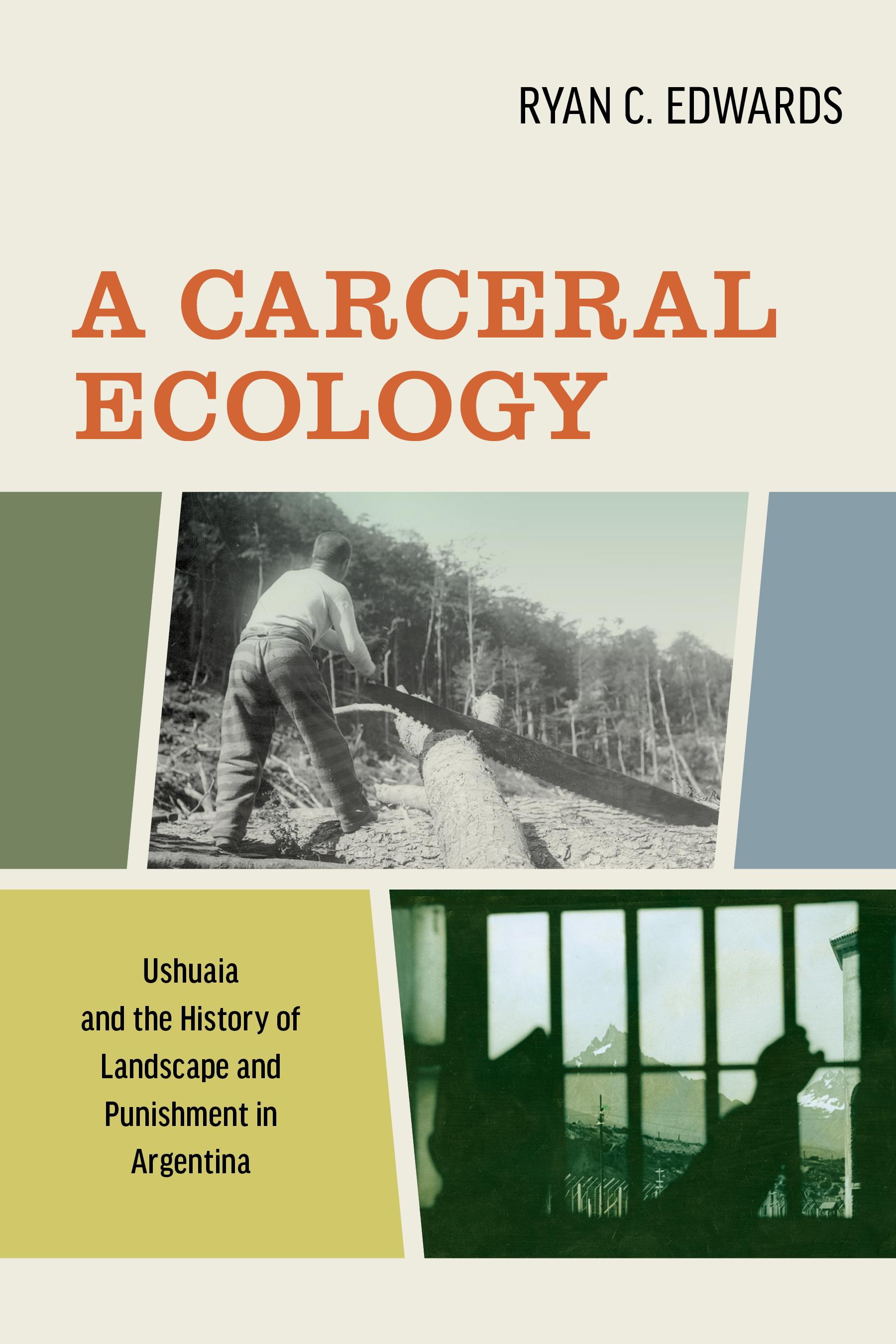
Closer to Antarctica than to Buenos Aires, the port town of Ushuaia, Argentina is home to a national park as well as a museum that is housed in the world’s southernmost prison. Ushuaia’s radial panopticon operated as an experimental hybrid penal colony and penitentiary from 1902 to 1947, designed to revolutionize modern prisons globally. A Carceral Ecology offers the first comprehensive study of this notorious prison and its afterlife, documenting how the Patagonian frontier and timber economy became central to ideas about labor, rehabilitation, and resource management. Mining the records of penologists, naturalists, and inmates, Ryan C. Edwards shows how discipline was tied to forest management, but also how inmates gained situated geographical knowledge and reframed debates on the regeneration of the land and the self. Bringing a new imperative to global prison studies, Edwards asks us to rethink the role of the environment in carceral practices as well as the impact of incarceration on the natural world.
Betal nemt med kort, Klarna, Apple Pay eller Google Pay. Ikke tilfreds? Du har altid 14 dages fortrydelsesret. Læs mere i vores vilkår. Har du spørgsmål, så send os en mail på hello@memmo.org.
Memmo gør det nemmere at studere – uanset hvor du er i verden. Hos os samler du dine kursusbøger og smarte studieværktøjer ét sted: resuméer, quizzer, podcasts og flashcards. Og så er der Ted, din studieven, der svarer på alt, du undrer dig over. Over 50 000 studerende studerer allerede her – bygget til at hjælpe dig med at lære hurtigere og stresse mindre.
Du kan måske også lide
Køb bogen0