
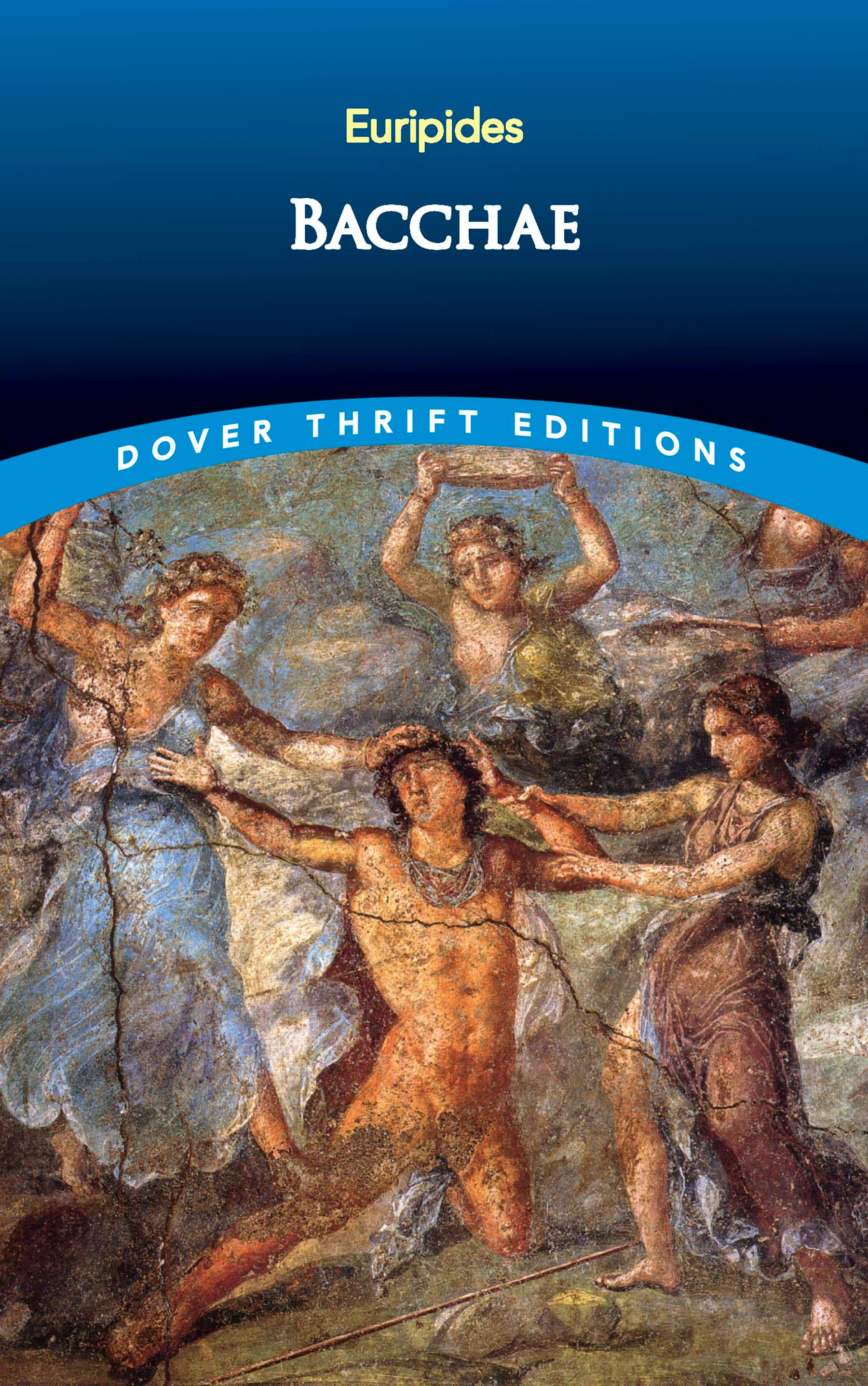
The youngest of the three great Greek tragedians, following Aeschylus and Sophocles, Euripides (ca. 484–406 B.C.) is reputed to have written ninety-two plays, nineteen of which survive. The Bacchae, a late play staged posthumously, concerns the cult of Dionysus, god of wine, whose worship hinged largely on orgiastic and frenzied nature rites.
When Dionysus (in disguise) attempts to spread his cult among the people (especially the women) of Thebes, their king, Pentheus, imprisons Dionysus and tries to suppress his cult. The king's misguided attempt to thwart the will of a god leads to catastrophe. Full of striking scenes, frenzied emotion, and choral songs of great power and beauty, the play is a fine example of Euripides' ability to exploit and manipulate traditional Greek myth to serve his own ends in probing man's psychological makeup and understanding of himself.
Betal nemt med kort, Klarna, Apple Pay eller Google Pay. Ikke tilfreds? Du har altid 14 dages fortrydelsesret. Læs mere i vores vilkår. Har du spørgsmål, så send os en mail på hello@memmo.org.
Memmo gør det nemmere at studere – uanset hvor du er i verden. Hos os samler du dine kursusbøger og smarte studieværktøjer ét sted: resuméer, quizzer, podcasts og flashcards. Og så er der Ted, din studieven, der svarer på alt, du undrer dig over. Over 50 000 studerende studerer allerede her – bygget til at hjælpe dig med at lære hurtigere og stresse mindre.