
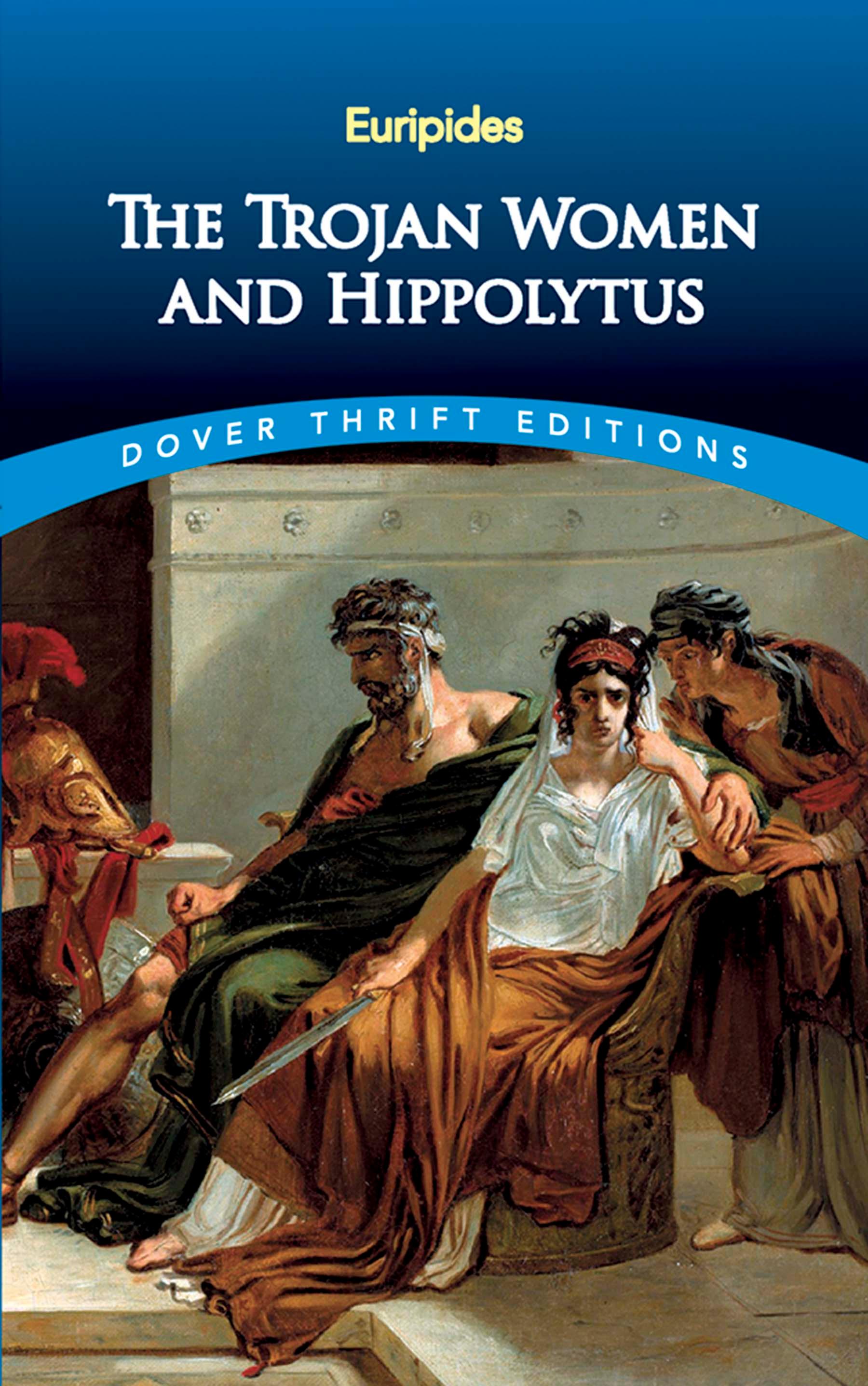
These two powerful classics of ancient drama are excellent examples of the author's gift for adapting traditional material for decidedly nontraditional effect. Through them Euripides critically examines social and moral aspects of contemporary life and even specific political events. He endows his figures with shrewdly observed individual character, implicitly deflating the emblematic simplicity of traditional narratives and making him seem the most modern of the great Greek dramatists.
The Trojan Women, one of the most powerful indictments of war and the arrogance of power ever written, is played out before the ruined walls of Troy. A grim recounting of the murder of the innocent, the desecration of shrines, and the enslavement of the women of the defeated city, it reveals the futility of a war fought for essentially frivolous reasons, in which the traditional heroes are shown to be little better than bloodthirsty thugs. Hippolytus is primarily about the dangers of passion and immoderation, whether in pursuing or in thwarting normal desires — struggles symbolized by the gods, who embody natural forces and behave like irresponsible humans.
Required study for any college course in literature and mythology, these two masterpieces are essential reading for anyone interested in the roots of world drama.
Betal nemt med kort, Klarna, Apple Pay eller Google Pay. Ikke tilfreds? Du har altid 14 dages fortrydelsesret. Læs mere i vores vilkår. Har du spørgsmål, så send os en mail på hello@memmo.org.
Memmo gør det nemmere at studere – uanset hvor du er i verden. Hos os samler du dine kursusbøger og smarte studieværktøjer ét sted: resuméer, quizzer, podcasts og flashcards. Og så er der Ted, din studieven, der svarer på alt, du undrer dig over. Over 50 000 studerende studerer allerede her – bygget til at hjælpe dig med at lære hurtigere og stresse mindre.