
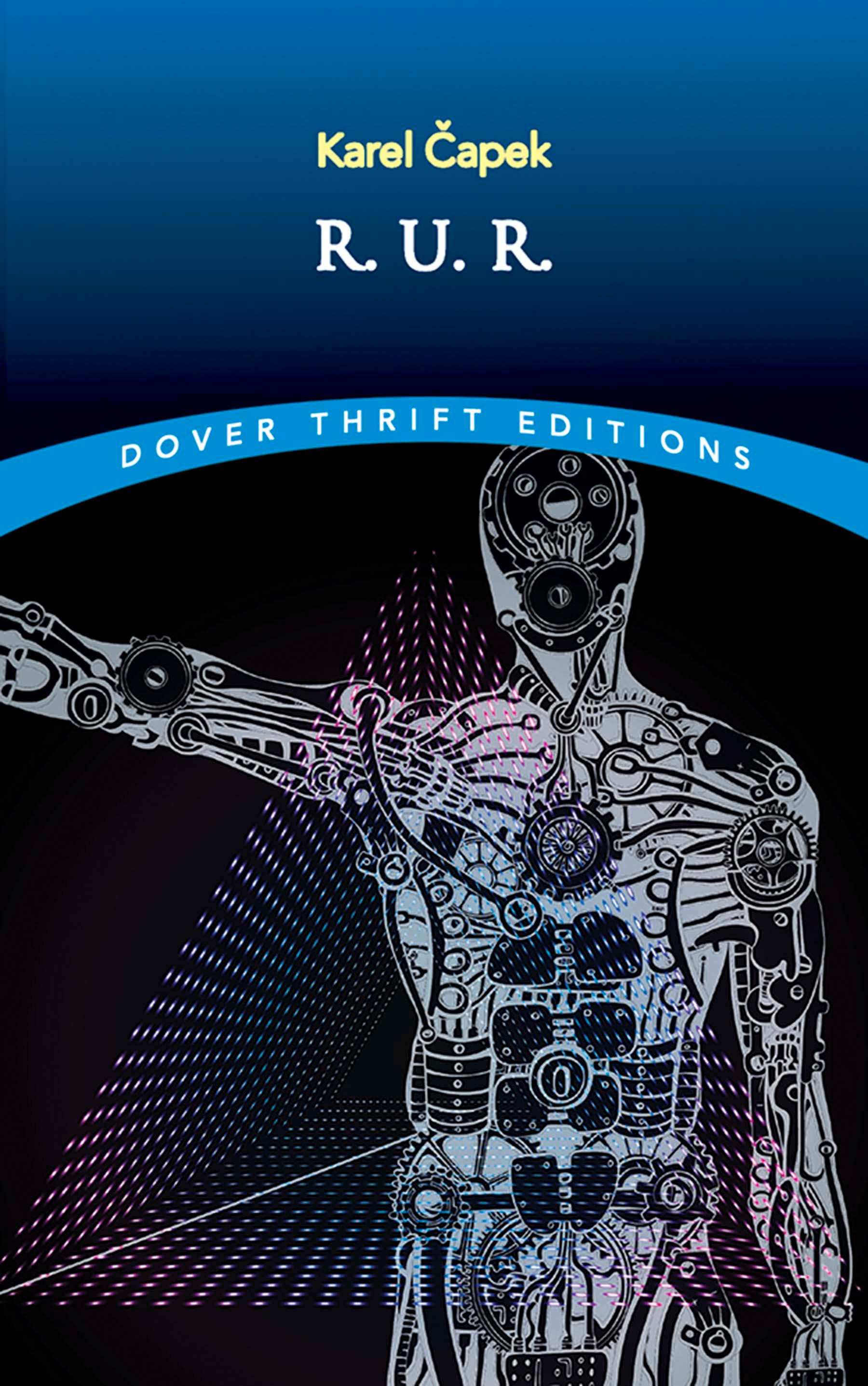
One of the classics of twentieth-century theater, this brilliantly conceived and exquisitely executed play by Czech playwright Karel Čapek (1890–1938) looks to a future in which all workers are automatons, or "robots" — a word this play made a permanent part of the language. The robots revolt when their manufacturing formula is changed to make them more irritable and to give them the human ability to hate, and the resulting catastrophe makes for a powerful and deeply moving theatrical experience.
"It is murderous social satire, done in terms of the most hair-raising melodrama," wrote Alexander Woolcott in his 1922 review of the first U.S. performance of this universally admired play. Heywood Broun wrote, "Čapek is potentially one of the great men in the modern drama. He has devised a scene at the end of the third act as awesome as anything we have ever seen in the theatre." This is the scene in which one of the last remaining humans, knowing himself and his species to be doomed, muses: "It was a great thing to be a man. There was something immense about it."
Betal nemt med kort, Klarna, Apple Pay eller Google Pay. Ikke tilfreds? Du har altid 14 dages fortrydelsesret. Læs mere i vores vilkår. Har du spørgsmål, så send os en mail på hello@memmo.org.
Memmo gør det nemmere at studere – uanset hvor du er i verden. Hos os samler du dine kursusbøger og smarte studieværktøjer ét sted: resuméer, quizzer, podcasts og flashcards. Og så er der Ted, din studieven, der svarer på alt, du undrer dig over. Over 50 000 studerende studerer allerede her – bygget til at hjælpe dig med at lære hurtigere og stresse mindre.