
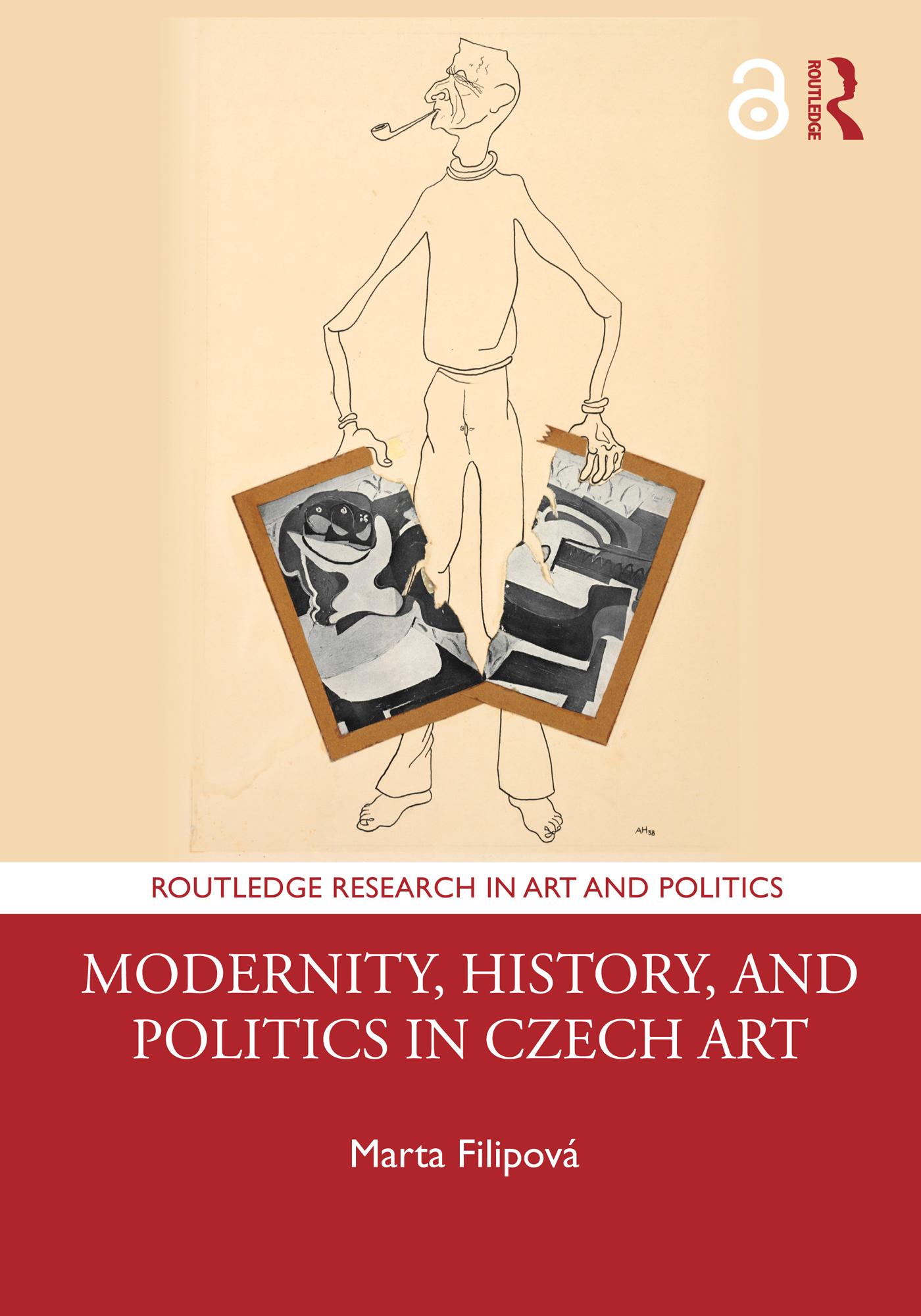
This book traces the influence of the changing political environment on Czech art, criticism, history, and theory between 1895 and 1939, looking beyond the avant-garde to the peripheries of modern art. The period is marked by radical political changes, the formation of national and regional identities, and the rise of modernism in Central Europe – specifically, the collapse of Austria-Hungary and the creation of the new democratic state of Czechoslovakia. Marta Filipová studies the way in which narratives of modern art were formed in a constant negotiation and dialogue between an effort to be international and a desire to remain authentically local.
The Open Access version of this book, available at http://www.taylorfrancis.com, has been made available under a Creative Commons Attribution-Non Commercial-No Derivatives 4.0 license.
Betal nemt med kort, Klarna, Apple Pay eller Google Pay. Ikke tilfreds? Du har altid 14 dages fortrydelsesret. Læs mere i vores vilkår. Har du spørgsmål, så send os en mail på hello@memmo.org.
Memmo gør det nemmere at studere – uanset hvor du er i verden. Hos os samler du dine kursusbøger og smarte studieværktøjer ét sted: resuméer, quizzer, podcasts og flashcards. Og så er der Ted, din studieven, der svarer på alt, du undrer dig over. Over 50 000 studerende studerer allerede her – bygget til at hjælpe dig med at lære hurtigere og stresse mindre.