
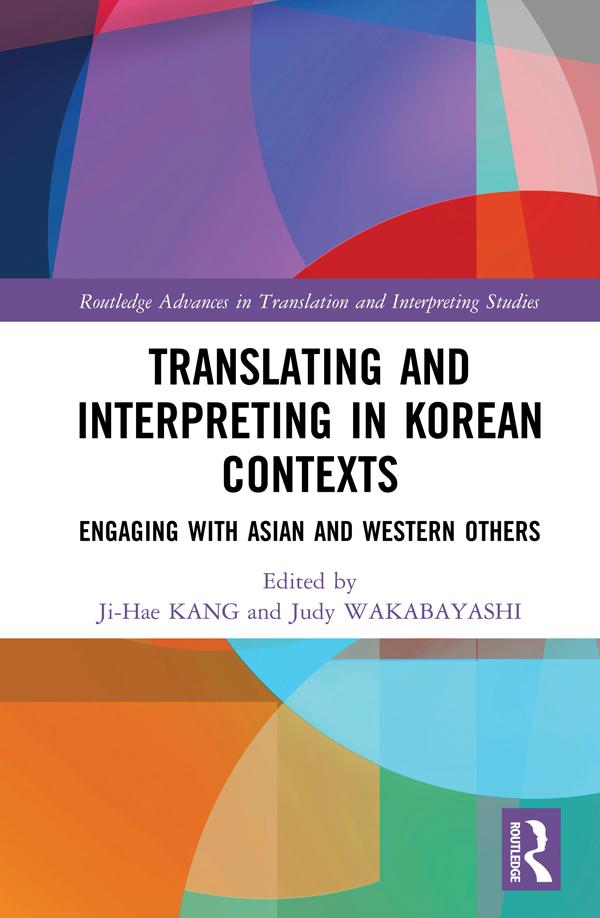
The focus of this volume is on how the people of the Korean Peninsula—historically an important part of the Sinocentric world in East Asia and today a vital economic and strategic site—have negotiated oral and written interactions with their Asian neighbors and Europeans in the past and present through the mediation of translators and interpreters.
These encounters have been shaped by political, social, and cultural factors, including the shared use of the Chinese writing system in East Asia for many centuries, attitudes toward other Asians and Westerners, and perceptions of Korean identity in relation to these Others. After exploring aspects of historical interactions, the volume addresses how the role and practice of translation and interpreting have recently evolved as a result of the development of digital technology, an increase in the number of immigrants, and changes in political and cultural dynamics in the region. It covers a range of historical and contemporary aspects, genres, and venues that extend beyond the common yet restrictive focus on literary translation and includes discussions of translator training and academic studies of translation and interpreting in Korea.
Betal nemt med kort, Klarna, Apple Pay eller Google Pay. Ikke tilfreds? Du har altid 14 dages fortrydelsesret. Læs mere i vores vilkår. Har du spørgsmål, så send os en mail på hello@memmo.org.
Memmo gør det nemmere at studere – uanset hvor du er i verden. Hos os samler du dine kursusbøger og smarte studieværktøjer ét sted: resuméer, quizzer, podcasts og flashcards. Og så er der Ted, din studieven, der svarer på alt, du undrer dig over. Over 50 000 studerende studerer allerede her – bygget til at hjælpe dig med at lære hurtigere og stresse mindre.