
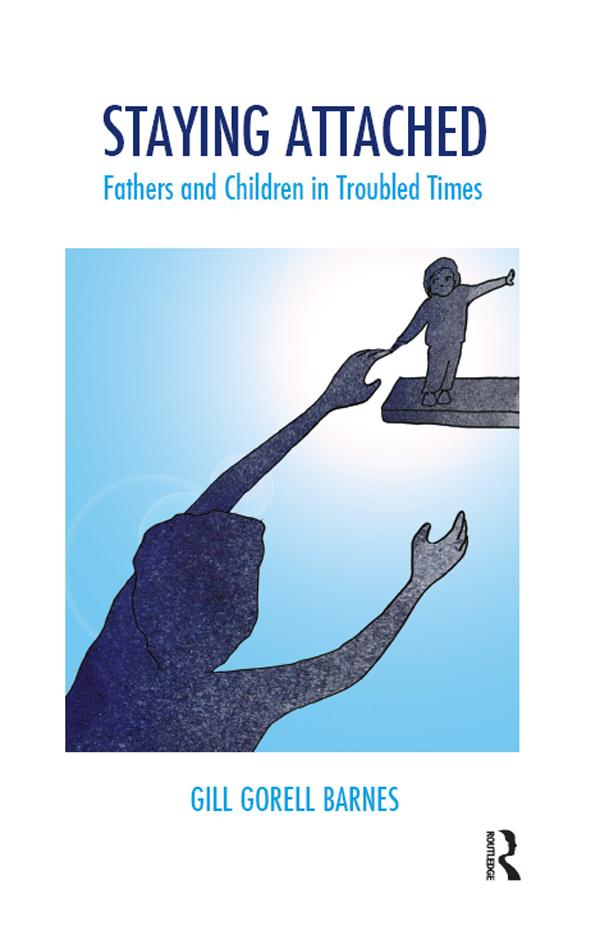
This book is about the changing social contexts for fathering in the United Kingdom since the end of the Second World War, and the social moves from patriarchal fatherhood to multiple ways of doing 'dad'. The book questions why fathers have been marginalised by therapists working with children and families. It proposes that theories of psychotherapy, including attachment theory, have failed to take father love for their children, and the reality of changing social fatherhoods, sufficiently into account, consequently affecting related practice. Different contemporary family structures and multiple variations of relationship between fathers and children are considered. Many fathers, brought up within earlier patriarchal frameworks for viewing fatherhood are still trying to exercise these within contexts of rapid change in expectations of men as fathers. They may find themselves in troubled and oppositional relations with partners and oftern children. Examples are given for thinking abour fathers in different relationship transitions, including 'non-live-in' fatherhoods, re-entering children's lives after long absences, fathering following acrimonious divorce, and a range of social fatherhoods.
Betal nemt med kort, Klarna, Apple Pay eller Google Pay. Ikke tilfreds? Du har altid 14 dages fortrydelsesret. Læs mere i vores vilkår. Har du spørgsmål, så send os en mail på hello@memmo.org.
Memmo gør det nemmere at studere – uanset hvor du er i verden. Hos os samler du dine kursusbøger og smarte studieværktøjer ét sted: resuméer, quizzer, podcasts og flashcards. Og så er der Ted, din studieven, der svarer på alt, du undrer dig over. Over 50 000 studerende studerer allerede her – bygget til at hjælpe dig med at lære hurtigere og stresse mindre.
Du kan måske også lide
Køb bogen0