
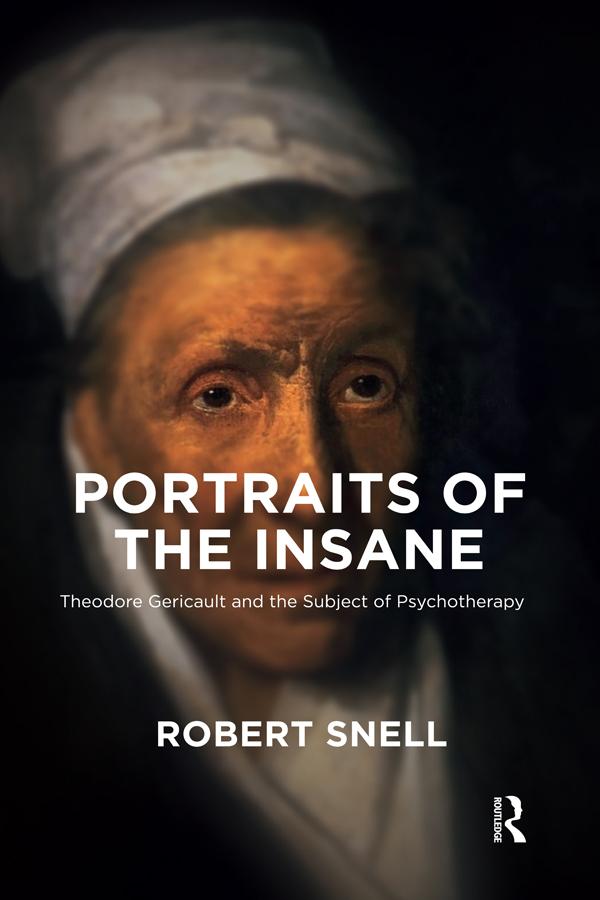
In the early 1820s, in the gloomy aftermath of the 1789 Revolution and the Napoleonic wars, the French Romantic painter Theodore Gericault (1791-1824) made five portraits of patients in an asylum or clinic. No depictions of madness before or since can compare with them for humanity, straightforwardness and immediacy. The portraits challenge us to find responses in ourselves to the face and the embodied mysteries of the other person, and to our own internal (unsconscious, disavowed) otherness: in this sense, Gericault was a "painter-analyst". The challenge could not be more urgent, in our world of suspicion of the stranger, and of the medicalisation of madness. The book sketches the history of this last process, from the Enlightenment through to the Revolution and its public health policies, to the birth of the asylum in its interface with the penal system. But there was also a new medico-philosophical conviction that the mad were never wholly mad, and their suffering and disturbance might best be addressed through relationship and speech.
Betal nemt med kort, Klarna, Apple Pay eller Google Pay. Ikke tilfreds? Du har altid 14 dages fortrydelsesret. Læs mere i vores vilkår. Har du spørgsmål, så send os en mail på hello@memmo.org.
Memmo gør det nemmere at studere – uanset hvor du er i verden. Hos os samler du dine kursusbøger og smarte studieværktøjer ét sted: resuméer, quizzer, podcasts og flashcards. Og så er der Ted, din studieven, der svarer på alt, du undrer dig over. Over 50 000 studerende studerer allerede her – bygget til at hjælpe dig med at lære hurtigere og stresse mindre.
Du kan måske også lide
Køb bogen0