
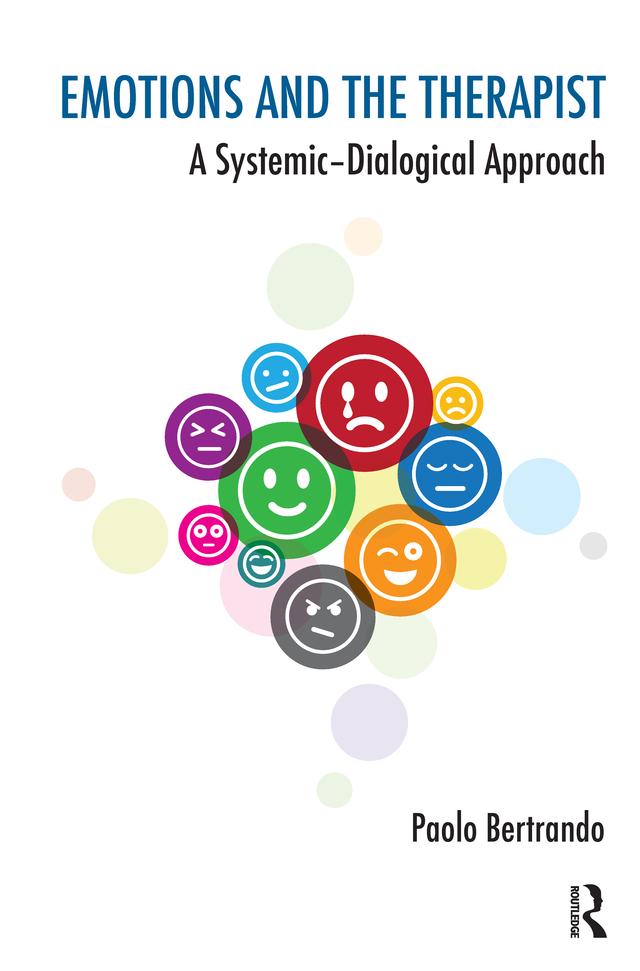
In recent years, systemic theory and practice adopted a dialogical orientation, centred on the persons of the therapist and client. This has led to a growing attention toward emotions, which, in this book, is developed in terms of emotional systems. An emotional system in therapy may be viewed as the sum of the emotions existing and interacting in people's lives. Relevant changes in life happen when emotional stances and sequences change within the system, leading, for example, to a greater sense of agency or hope, or to a different perception of the situation. This book looks at emotions within human systems in terms of dominant and silent emotions, which shape and are shaped by human relationships, and may be played in several ways according to reciprocal emotional positioning. The therapist uses his or her own feeling, and understanding of the emotions within the therapeutic dialogue, in order to create hypotheses and new dialogues which allow change.
Betal nemt med kort, Klarna, Apple Pay eller Google Pay. Ikke tilfreds? Du har altid 14 dages fortrydelsesret. Læs mere i vores vilkår. Har du spørgsmål, så send os en mail på hello@memmo.org.
Memmo gør det nemmere at studere – uanset hvor du er i verden. Hos os samler du dine kursusbøger og smarte studieværktøjer ét sted: resuméer, quizzer, podcasts og flashcards. Og så er der Ted, din studieven, der svarer på alt, du undrer dig over. Over 50 000 studerende studerer allerede her – bygget til at hjælpe dig med at lære hurtigere og stresse mindre.
Du kan måske også lide
Køb bogen0