
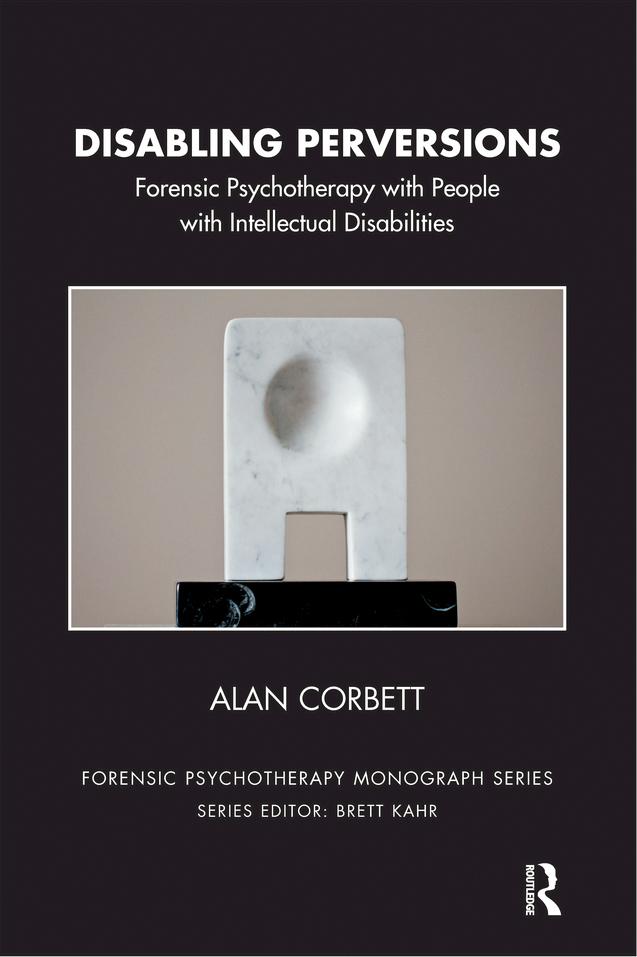
The book offers an overview of how to work with some of the most damaged members of society - children and adults with intellectual disabilities who abuse others. Drawing on insight from two decades of clinical work, the author examines how to assess risk and danger in the forensic disability patient, ways of working therapeutically with patients at all ends of the disability spectrum, and how to support members of the patient's network. Combining psychoanalytic, creative, forensic and systemic thinking, the book provides a template for assessing, managing, containing and treating those who present with multiple diagnoses, including cognitive and physical disabilities, mutism, psychiatric disorders and autism. Both group and individual approaches are examined. As our awareness of the incidence of forensic patients who also have disabilities increases, this work is a timely placing of the forensic disability patient onto the clinical agenda, and has a wide application, being of use to clinicians in the private consulting room, the community, the secure setting and the prison.
Betal nemt med kort, Klarna, Apple Pay eller Google Pay. Ikke tilfreds? Du har altid 14 dages fortrydelsesret. Læs mere i vores vilkår. Har du spørgsmål, så send os en mail på hello@memmo.org.
Memmo gør det nemmere at studere – uanset hvor du er i verden. Hos os samler du dine kursusbøger og smarte studieværktøjer ét sted: resuméer, quizzer, podcasts og flashcards. Og så er der Ted, din studieven, der svarer på alt, du undrer dig over. Over 50 000 studerende studerer allerede her – bygget til at hjælpe dig med at lære hurtigere og stresse mindre.
Du kan måske også lide
Køb bogen0