
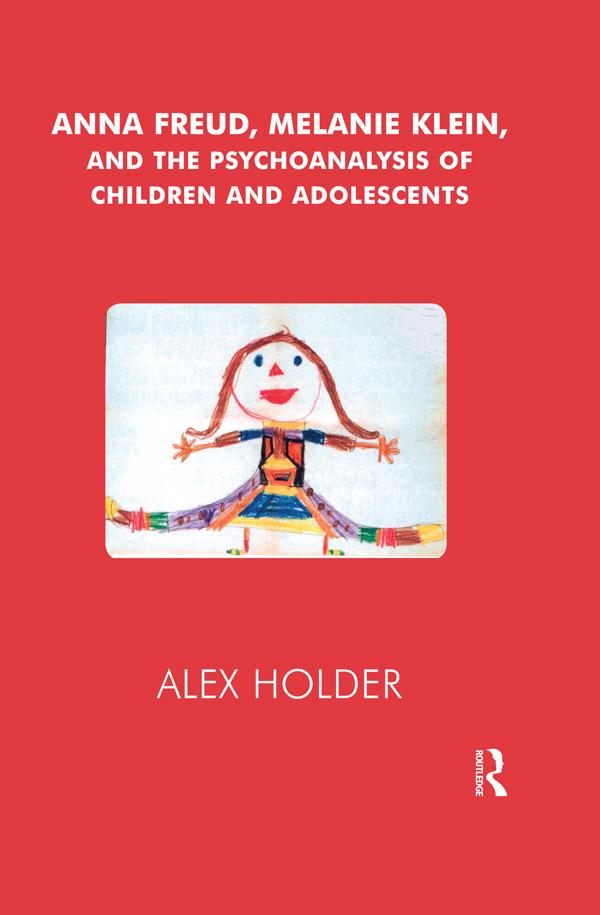
The central theme of this book is concerned with the controversies on technique between Anna Freud and Melanie Klein in the 1920s and 1930s, and with a clear differentiation between child analysis proper and analytical child psychotherapy. Alex Holder takes into account the historic background in which child psychoanalysis developed, especially World War II and the Nazi regime in Germany. The author also looks at the way child psychoanalysis developed in specific institutions, such as the Hampstead Child Therapy Course in London, and in specific areas, such as the spread of child analysis in the US. The concluding chapter is on the importance of knowledge of child analysis among psychoanalysts working with adults. The differences in the theories of the two "greats" in child analysis, Anna Freud and Melanie Klein, are examined one by one, including such concepts as the role of transference, the Oedipus complex and the superego.
Betal nemt med kort, Klarna, Apple Pay eller Google Pay. Ikke tilfreds? Du har altid 14 dages fortrydelsesret. Læs mere i vores vilkår. Har du spørgsmål, så send os en mail på hello@memmo.org.
Memmo gør det nemmere at studere – uanset hvor du er i verden. Hos os samler du dine kursusbøger og smarte studieværktøjer ét sted: resuméer, quizzer, podcasts og flashcards. Og så er der Ted, din studieven, der svarer på alt, du undrer dig over. Over 50 000 studerende studerer allerede her – bygget til at hjælpe dig med at lære hurtigere og stresse mindre.
Du kan måske også lide
Køb bogen0