
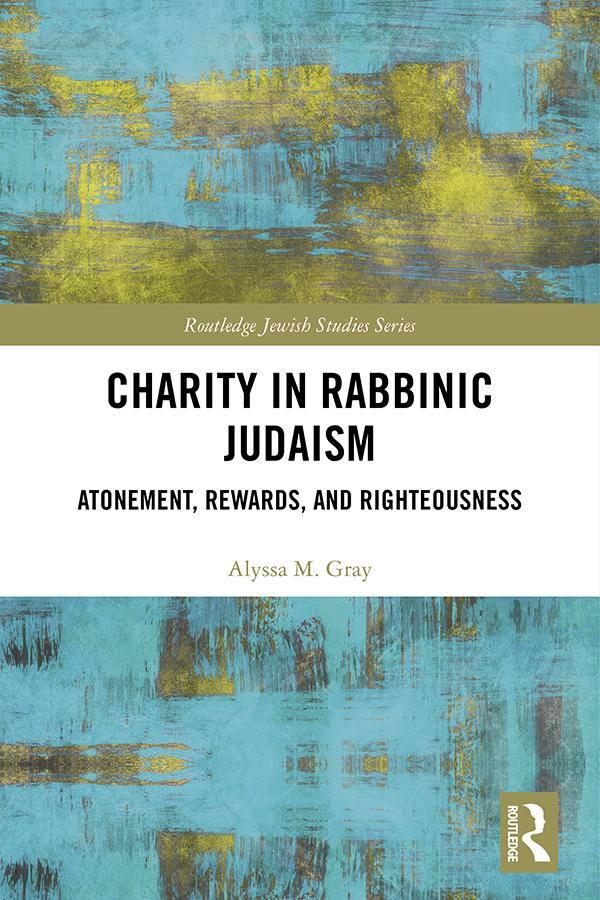
Studying the many ideas about how giving charity atones for sin and other rewards in late antique rabbinic literature, this volume contains many, varied, and even conflicting ideas, as the multiplicity must be recognized and allowed expression.
Topics include the significance of the rabbis’ use of the biblical word "tzedaqah" as charity, the coexistence of the idea that God is the ultimate recipient of tzedaqah along with rabbinic ambivalence about that idea, redemptive almsgiving, and the reward for charity of retention or increase in wealth. Rabbinic literature’s preference for "teshuvah" (repentance) over tzedeqah to atone for sin is also closely examined. Throughout, close attention is paid to chronological differences in these ideas, and to differences between the rabbinic compilations of the land of Israel and the Babylonian Talmud. The book extensively analyzes the various ways the Babylonian Talmud especially tends to put limits on the divine element in charity while privileging its human, this-worldly dimensions. This tendency also characterizes the Babylonian Talmud’s treatment of other topics. The book briefly surveys some post-Talmudic developments.
As the study fills a gap in existing scholarship on charity and the rabbis, it is an invaluable resource for scholars and clergy interested in charity within comparative religion, history, and religion.
Betal nemt med kort, Klarna, Apple Pay eller Google Pay. Ikke tilfreds? Du har altid 14 dages fortrydelsesret. Læs mere i vores vilkår. Har du spørgsmål, så send os en mail på hello@memmo.org.
Memmo gør det nemmere at studere – uanset hvor du er i verden. Hos os samler du dine kursusbøger og smarte studieværktøjer ét sted: resuméer, quizzer, podcasts og flashcards. Og så er der Ted, din studieven, der svarer på alt, du undrer dig over. Over 50 000 studerende studerer allerede her – bygget til at hjælpe dig med at lære hurtigere og stresse mindre.