
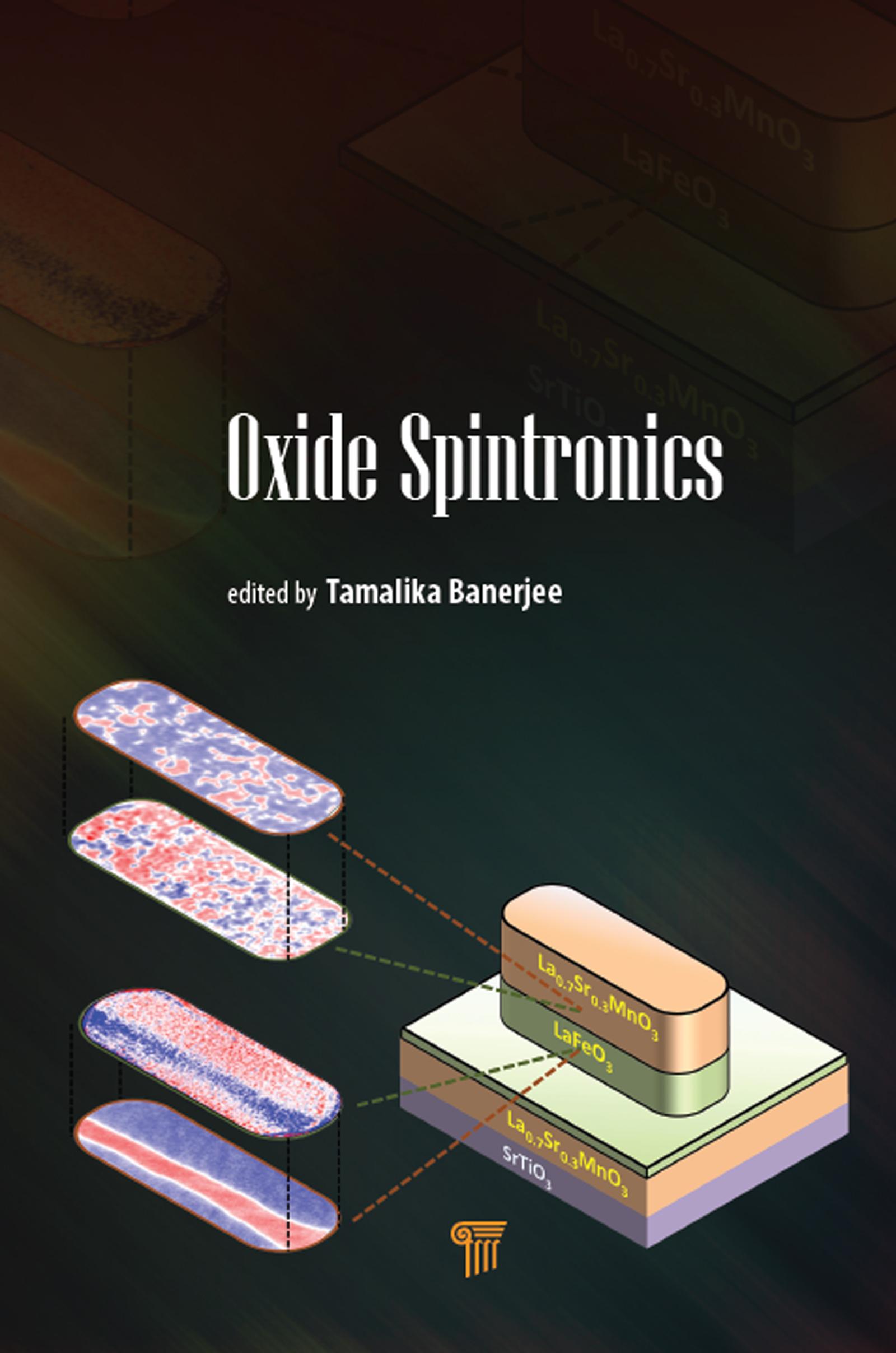
Oxide materials have been used in mainstream semiconductor technology for several decades and have served as important components, such as gate insulators or capacitors, in integrated circuits. However, in recent decades, this material class has emerged in its own right as a potential contender for alternative technologies, generally designated as ‘beyond Moore’. The 2004 discovery by Ohtomo and Hwang was a global trendsetter in this context. It involved observing a two-dimensional, high-mobility electron gas at the heterointerface between two insulating oxides, LaAlO3 and SrTiO3, supported by the rise of nascent deposition and growth-monitoring techniques, which was an important direction in materials science research. The quest to understand the origin of this unparalleled physical property and to find other emergent properties has been an active field of research in condensed matter that has united researchers with expertise in diverse fields such as thin-film growth, defect control, advanced microscopy, semiconductor technology, computation, magnetism and electricity, spintronics, nanoscience, and nanotechnology.
Betal nemt med kort, Klarna, Apple Pay eller Google Pay. Ikke tilfreds? Du har altid 14 dages fortrydelsesret. Læs mere i vores vilkår. Har du spørgsmål, så send os en mail på hello@memmo.org.
Memmo gør det nemmere at studere – uanset hvor du er i verden. Hos os samler du dine kursusbøger og smarte studieværktøjer ét sted: resuméer, quizzer, podcasts og flashcards. Og så er der Ted, din studieven, der svarer på alt, du undrer dig over. Over 50 000 studerende studerer allerede her – bygget til at hjælpe dig med at lære hurtigere og stresse mindre.