
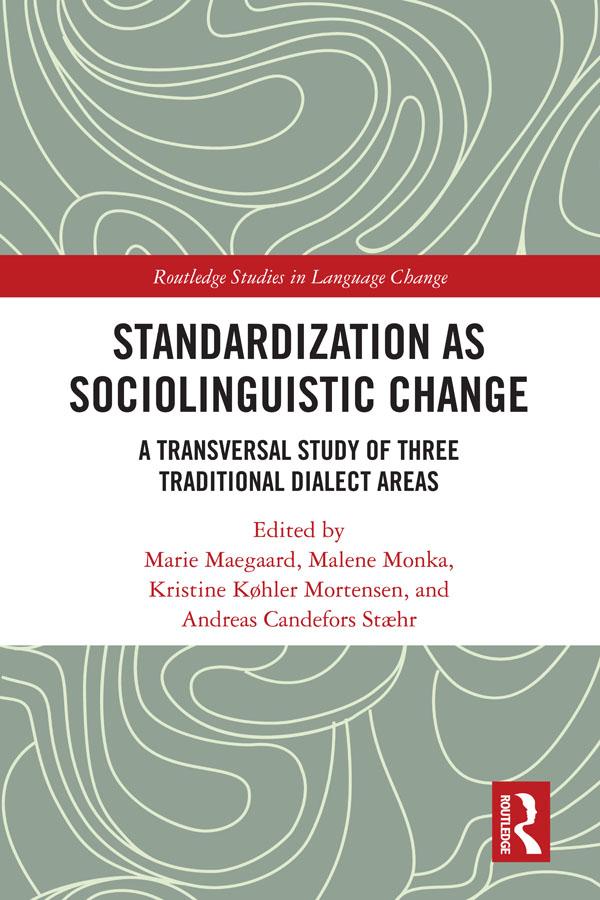
This volume seeks to extend and expand our current understanding of the processes of language standardization, drawing on both quantitative and qualitative approaches to examine how linguistic variation plays out in various ways in everyday life in Denmark. The book compares linguistic variation across three different rural speech communities, underpinned by a transversal framework, which draws upon different methodological and analytical approaches, as well as data from different contexts across different generations, and results in a nuanced and dynamic portrait of language change in one region over time. Examining communities with varying degrees of linguistic variation with this multi-layered framework demonstrates a broader need to re-examine perceptions of language standardization as a unidirectional process, but rather as one shaped by a range of factors at the local level, including language ideologies and mediatization. A concluding chapter by eminent sociolinguist David Britain brings together the conclusions drawn from the preceding chapters and reinforces their wider implications within the field of sociolinguistics. Offering new insights into language standardization and language change, this book will be of particular interest to students and scholars in sociolinguistics, dialectology, and linguistic anthropology.
Betal nemt med kort, Klarna, Apple Pay eller Google Pay. Ikke tilfreds? Du har altid 14 dages fortrydelsesret. Læs mere i vores vilkår. Har du spørgsmål, så send os en mail på hello@memmo.org.
Memmo gør det nemmere at studere – uanset hvor du er i verden. Hos os samler du dine kursusbøger og smarte studieværktøjer ét sted: resuméer, quizzer, podcasts og flashcards. Og så er der Ted, din studieven, der svarer på alt, du undrer dig over. Over 50 000 studerende studerer allerede her – bygget til at hjælpe dig med at lære hurtigere og stresse mindre.