
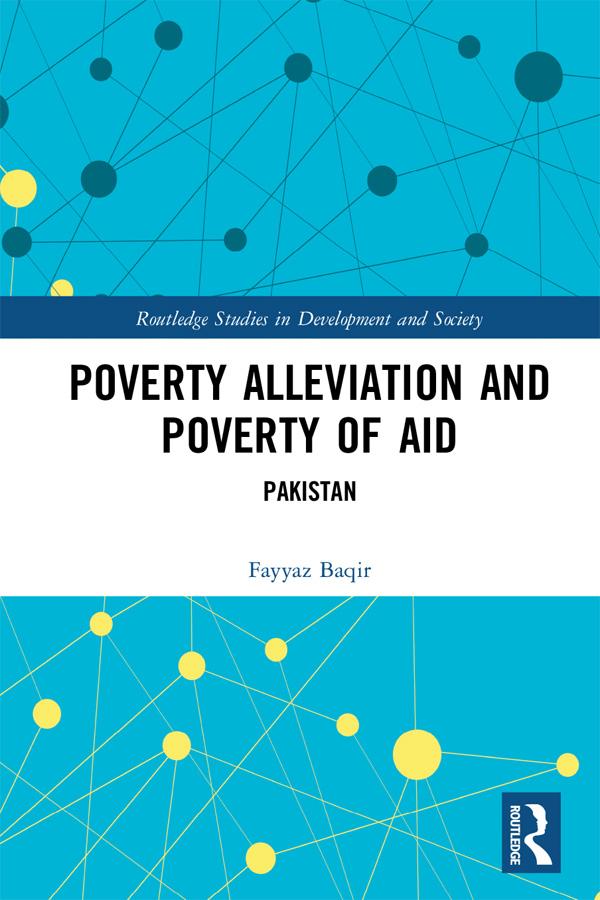
Aid effectiveness has emerged as an intensely debated issue amongst policy makers, donors, development practitioners, civil society and academics during the past decade. This debate revolves around one important question: does official development assistance complement, duplicate or disregard the local resource endowment in offering support to recipient economies?
This book draws on Pakistan’s experience in responding to this question with a diverse range of examples. It focuses on a central idea: no aid effectiveness without an effective receiving mechanism. Pakistan is among the top aid recipient countries in the developing economies. It was a shining model in the sixties and it ranks among the highly underperforming countries after the new millennium. This book offers an insight into the dynamics of success and failure of Pakistan in availing foreign financial and technical assistance for human development and poverty alleviation. It draws on field experiences to present case studies on water, shelter, health, education, and health and safety at work to identify the causes and consequences of aid in relation to social reality. Findings relate to developing economies and would be of interest to a wide range of individuals within the development sector.
Betal nemt med kort, Klarna, Apple Pay eller Google Pay. Ikke tilfreds? Du har altid 14 dages fortrydelsesret. Læs mere i vores vilkår. Har du spørgsmål, så send os en mail på hello@memmo.org.
Memmo gør det nemmere at studere – uanset hvor du er i verden. Hos os samler du dine kursusbøger og smarte studieværktøjer ét sted: resuméer, quizzer, podcasts og flashcards. Og så er der Ted, din studieven, der svarer på alt, du undrer dig over. Over 50 000 studerende studerer allerede her – bygget til at hjælpe dig med at lære hurtigere og stresse mindre.