
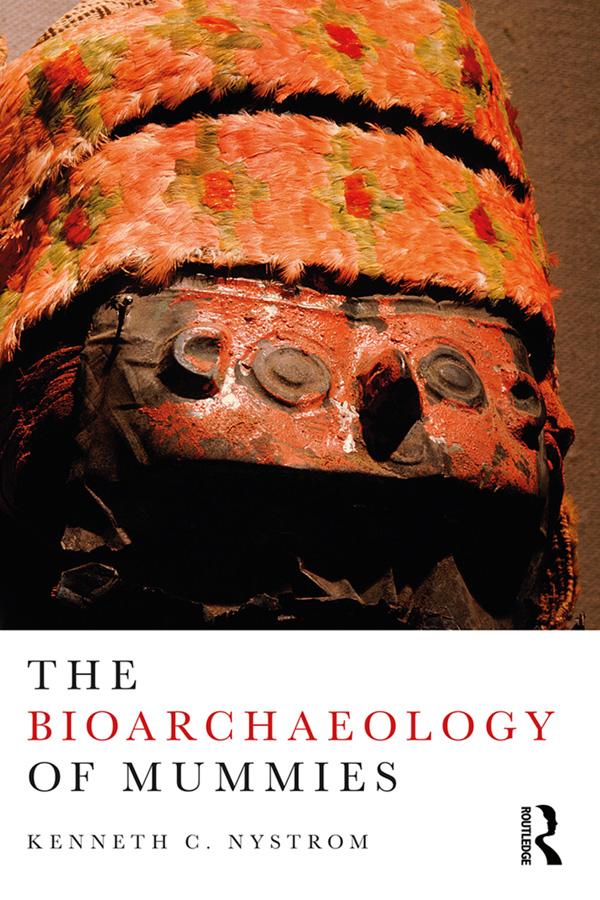
The modern manifestation of mummy studies began to take shape in the 1970s and has experienced significant growth during the last several decades, largely due to biomedical interest in soft tissue pathology. Although this points to a vibrant field, there are indications that we need to take stock of where it is today and how it may develop in the future, and this volume responds to those demands. In many ways, mummy studies and skeletal bioarchaeology are "sister-disciplines," sharing data sources, methodologies, and practitioners. Given these close connections, this book considers whether paradigmatic shifts that influenced the development of the latter also impacted the former.
Whilst there are many available books discussing mummy research, most recent field-wide reviews adopt a biomedical perspective to explore a particular mummy or collection of mummies. The Bioarchaeology of Mummies is a unique attempt at a synthetic, state-of-the-field critical analysis which considers the field from an explicitly anthropological perspective.
This book is written for both skeletal bioarcheologists that may not be familiar with the scope of mummy research, and mummy researchers from biomedical fields that may not be as acquainted with current research trends within bioarchaeology.
Betal nemt med kort, Klarna, Apple Pay eller Google Pay. Ikke tilfreds? Du har altid 14 dages fortrydelsesret. Læs mere i vores vilkår. Har du spørgsmål, så send os en mail på hello@memmo.org.
Memmo gør det nemmere at studere – uanset hvor du er i verden. Hos os samler du dine kursusbøger og smarte studieværktøjer ét sted: resuméer, quizzer, podcasts og flashcards. Og så er der Ted, din studieven, der svarer på alt, du undrer dig over. Over 50 000 studerende studerer allerede her – bygget til at hjælpe dig med at lære hurtigere og stresse mindre.