
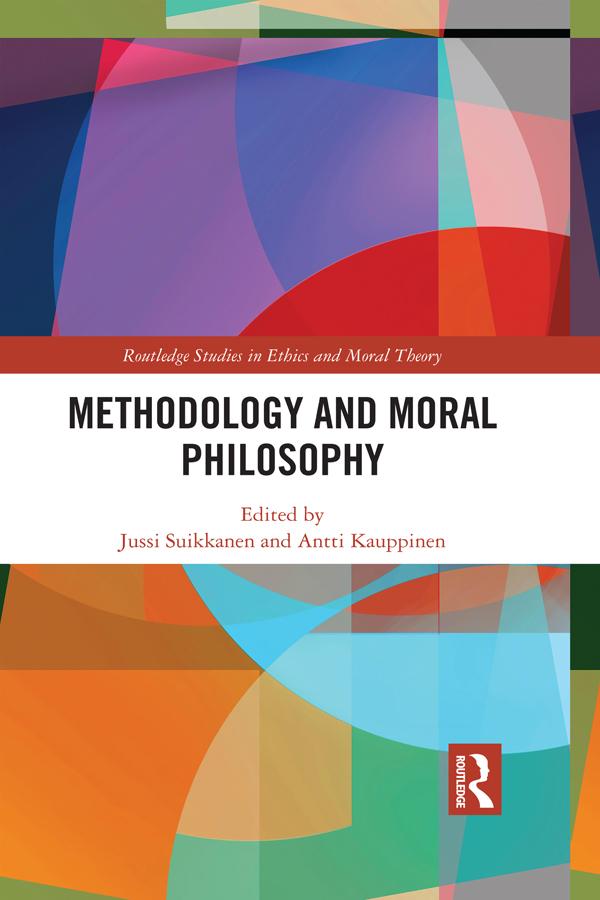
Many ethicists either accept the reflective equilibrium method or think that anything goes in ethical theorizing as long as the results are plausible. The aim of this book is to advance methodological thinking in ethics beyond these common attitudes and to raise new methodological questions about how moral philosophy should be done.
What are we entitled to assume as the starting-point of our ethical inquiry? What is the role of empirical sciences in ethics? Is there just one general method for doing moral philosophy or should different questions in moral philosophy be answered in different ways? Are there argumentative structures and strategies that we should be encouraged to use or typical argumentative patterns that we should avoid?
This volume brings together leading moral philosophers to consider these questions. The chapters investigate the prospects of empirical ethics, outline new methods of ethics, evaluate recent methodological advances, and explore whether different areas of moral philosophy are methodologically continuous or independent of one another. The aim of Methodology and Moral Philosophy is to make moral philosophers more self-aware and reflective of the way in which they do moral philosophy and also to encourage them to take part in methodological debates.
Betal nemt med kort, Klarna, Apple Pay eller Google Pay. Ikke tilfreds? Du har altid 14 dages fortrydelsesret. Læs mere i vores vilkår. Har du spørgsmål, så send os en mail på hello@memmo.org.
Memmo gør det nemmere at studere – uanset hvor du er i verden. Hos os samler du dine kursusbøger og smarte studieværktøjer ét sted: resuméer, quizzer, podcasts og flashcards. Og så er der Ted, din studieven, der svarer på alt, du undrer dig over. Over 50 000 studerende studerer allerede her – bygget til at hjælpe dig med at lære hurtigere og stresse mindre.