
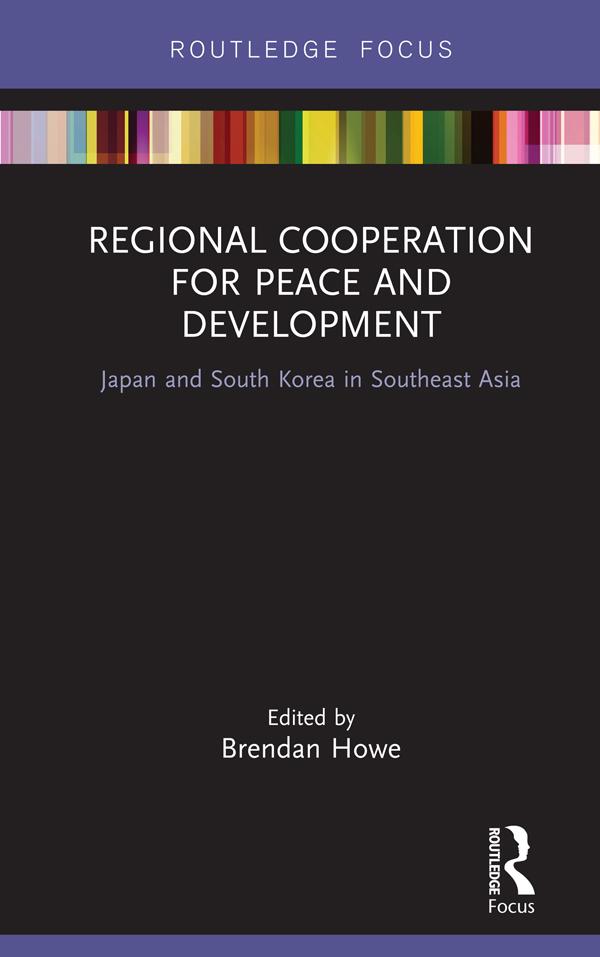
Faced with significant security challenges, in recent years Japan and South Korea have both sought to raise their international profile through peacebuilding, development, humanitarian assistance, and human security. This book assesses the past, present, and future potential of these niche diplomacy initiatives undertaken by Japan and South Korea, largely in Southeast Asia. The book concludes that not only do such nontraditional security channels have the potential to achieve meaningful change for partners and beneficiaries, but they could also form the basis of future confidence-building and security cooperation between Japan and South Korea, which have to date achieved little in the field of traditional security cooperation, despite facing many shared challenges.
Working across disciplines and national boundaries, the contributors to this volume argue that policy prioritization in the fields of peacebuilding, development, and human security by Tokyo and Seoul could have the potential to accrue wider benefits not only to the Northeast Asian actors and the Southeast Asian partners, but also to wider regional and even global security communities. At a time when the role of so-called middle powers is receiving increasing levels of attention both domestically and internationally, this book will be of considerable interest to scholars of Japan and the ROK, as well as development, security, and foreign policy researchers more broadly.
Betal nemt med kort, Klarna, Apple Pay eller Google Pay. Ikke tilfreds? Du har altid 14 dages fortrydelsesret. Læs mere i vores vilkår. Har du spørgsmål, så send os en mail på hello@memmo.org.
Memmo gør det nemmere at studere – uanset hvor du er i verden. Hos os samler du dine kursusbøger og smarte studieværktøjer ét sted: resuméer, quizzer, podcasts og flashcards. Og så er der Ted, din studieven, der svarer på alt, du undrer dig over. Over 50 000 studerende studerer allerede her – bygget til at hjælpe dig med at lære hurtigere og stresse mindre.