
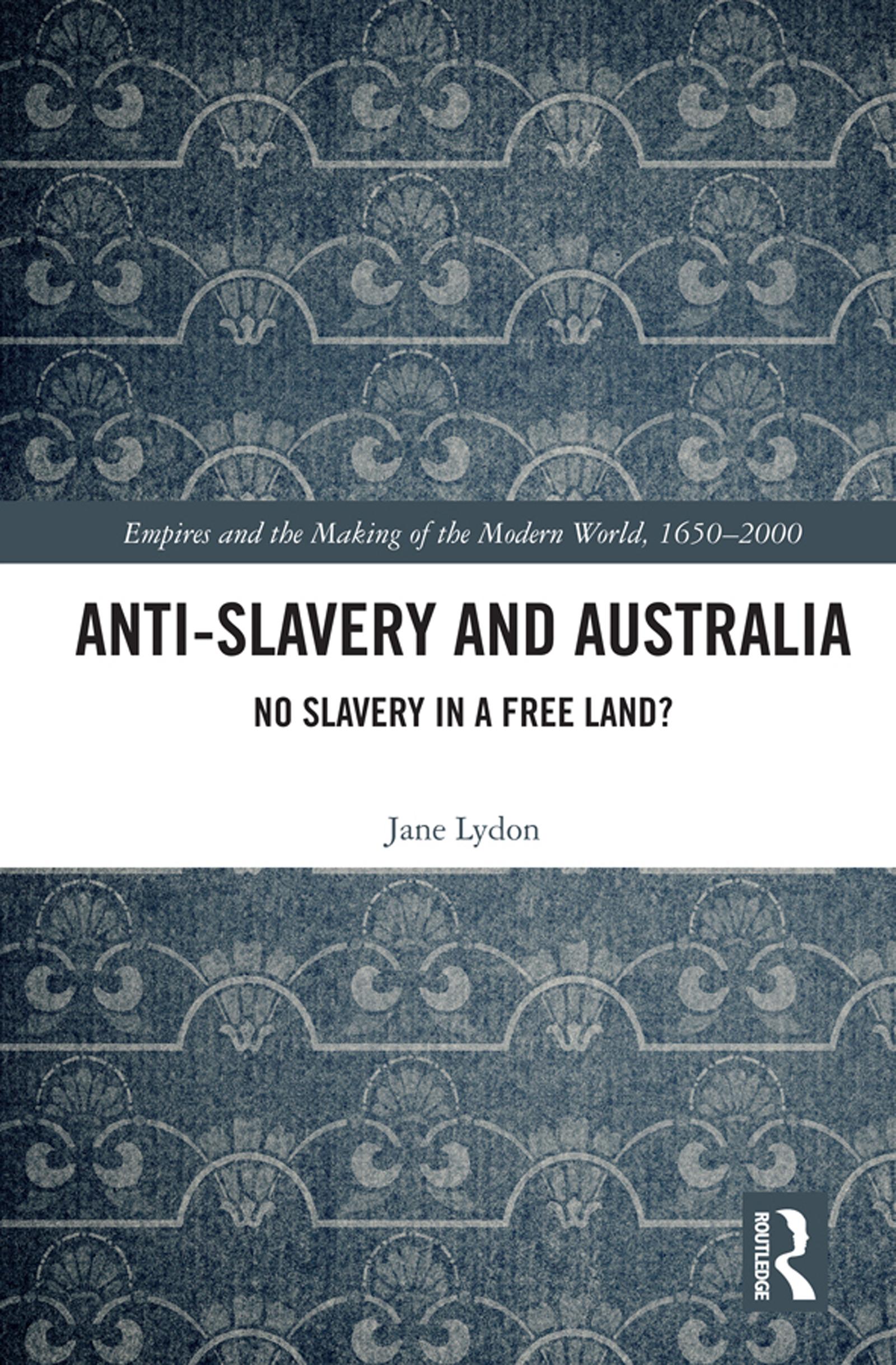
Bringing the histories of British anti-slavery and Australian colonization together changes our view of both. This book explores the anti-slavery movement in imperial scope, arguing that colonization in Australasia facilitated emancipation in the Caribbean, even as abolition powerfully shaped the Settler Revolution. The anti-slavery campaign was deeply entwined with the administration of the empire and its diverse peoples, as well as the radical changes demanded by industrialization and rapid social change in Britain. Abolition posed problems to which colonial expansion provided the answer, intimately linking the end of slavery to systematic colonization and Indigenous dispossession. By defining slavery in the Caribbean as the opposite of freedom, a lasting impact of abolition was to relegate other forms of oppression to lesser status, or to deny them. Through the shared concerns of abolitionists, slave-owners, and colonizers, a plastic ideology of ‘free labour’ was embedded within post-emancipation imperialist geopolitics, justifying the proliferation of new forms of unfree labour and defining new racial categories. The celebration of abolition has overshadowed post-emancipation continuities and transformations of slavery that continue to shape the modern world.
Betal nemt med kort, Klarna, Apple Pay eller Google Pay. Ikke tilfreds? Du har altid 14 dages fortrydelsesret. Læs mere i vores vilkår. Har du spørgsmål, så send os en mail på hello@memmo.org.
Memmo gør det nemmere at studere – uanset hvor du er i verden. Hos os samler du dine kursusbøger og smarte studieværktøjer ét sted: resuméer, quizzer, podcasts og flashcards. Og så er der Ted, din studieven, der svarer på alt, du undrer dig over. Over 50 000 studerende studerer allerede her – bygget til at hjælpe dig med at lære hurtigere og stresse mindre.