
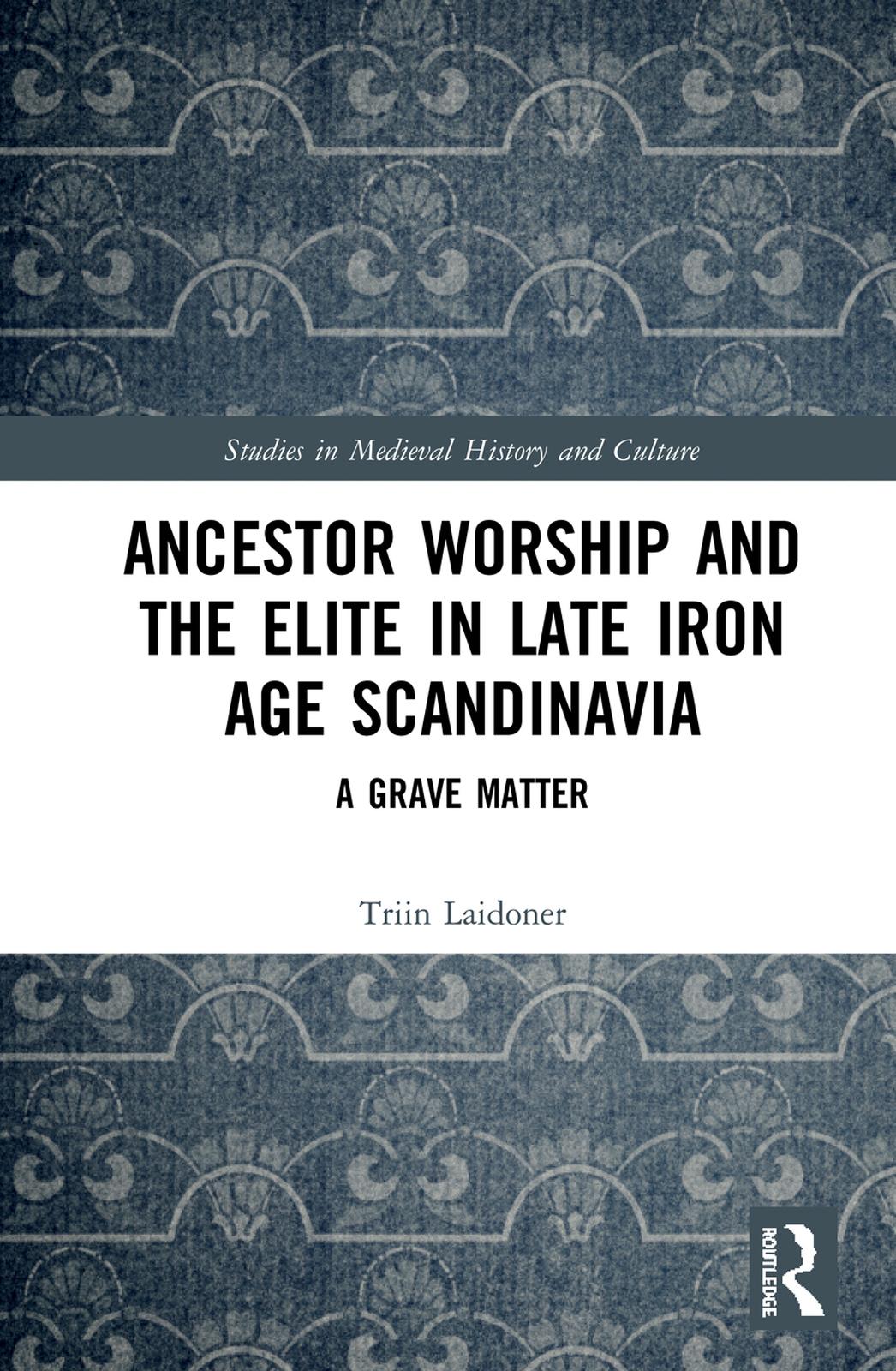
Ancestor worship is often assumed by contemporary European audiences to be an outdated and primitive tradition with little relevance to our societies, past and present. This book questions that assumption and seeks to determine whether ancestor ideology was an integral part of religion in Viking Age and early medieval Scandinavia. The concept is examined from a broad socio-anthropological perspective, which is used to structure a set of case studies which analyse the cults of specific individuals in Old Norse literature. The situation of gods in Old Norse religion has been almost exclusively addressed in isolation from these socio-anthropological perspectives. The public gravemound cults of deceased rulers are discussed conventionally as cases of sacral kingship, and, more recently, religious ruler ideology; both are seen as having divine associations in Old Norse scholarship. Building on the anthropological framework, this study introduces the concept of ‘superior ancestors’, employed in social anthropology to denote a form of political ancestor worship used to regulate social structure deliberately. It suggests that Old Norse ruler ideology was based on conventional and widely recognised religious practices revolving around kinship and ancestors and that the gods were perceived as human ancestors belonging to elite families.
Betal nemt med kort, Klarna, Apple Pay eller Google Pay. Ikke tilfreds? Du har altid 14 dages fortrydelsesret. Læs mere i vores vilkår. Har du spørgsmål, så send os en mail på hello@memmo.org.
Memmo gør det nemmere at studere – uanset hvor du er i verden. Hos os samler du dine kursusbøger og smarte studieværktøjer ét sted: resuméer, quizzer, podcasts og flashcards. Og så er der Ted, din studieven, der svarer på alt, du undrer dig over. Over 50 000 studerende studerer allerede her – bygget til at hjælpe dig med at lære hurtigere og stresse mindre.