
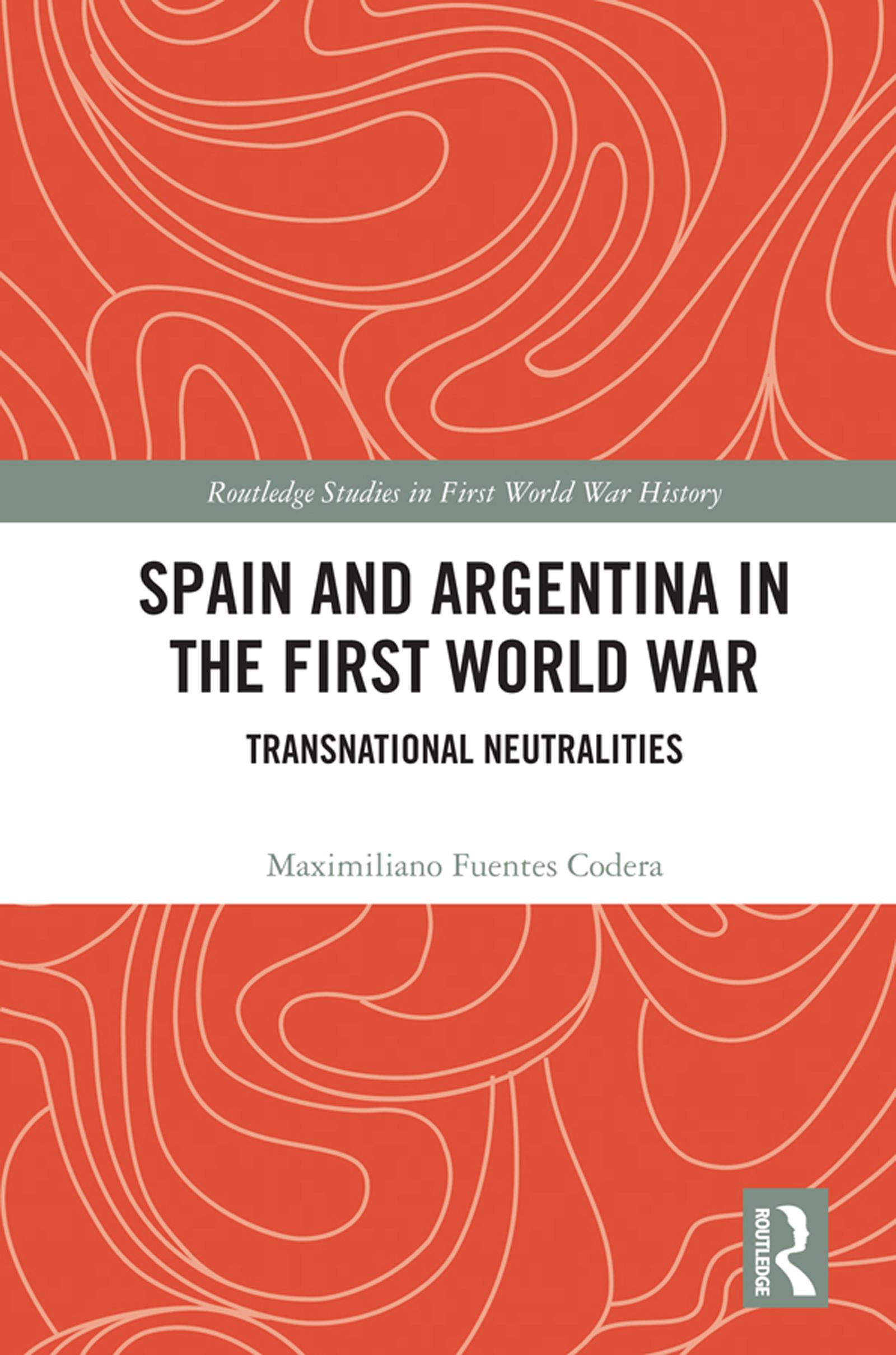
This is the first book that analyzes the transnational impact of the Great War simultaneously on two countries, Spain and Argentina, that remained neutral throughout the conflict. Both countries were very relevant in the conception of propaganda and policies of belligerent countries such as France, Germany and Great Britain and showed that the conflict had a global influence and affected deeply local political and cultural processes, even in areas geographically distant from the trenches.
Within this framework, this book is focused on three aspects that are analyzed dynamically throughout the whole war from a transnational perspective: neutrality as a space of dispute between pro-Allies and pro-German sectors and its relation with local politics, the debate about what positions should be assumed in order to guarantee a world without war, and the polemics on the ideas of nations and supra-nations (Hispanism, Latinism, Pan-Americanism). The conclusions of the book highlight that the radicalization that exploded in 1917 in both countries was fundamental in shaping the political radicalization of the last months of the conflict and the postwar period. As happened in Europe, the Great War did not finish in 1918 and its traces continued in the 1920s and 1930s.
Betal nemt med kort, Klarna, Apple Pay eller Google Pay. Ikke tilfreds? Du har altid 14 dages fortrydelsesret. Læs mere i vores vilkår. Har du spørgsmål, så send os en mail på hello@memmo.org.
Memmo gør det nemmere at studere – uanset hvor du er i verden. Hos os samler du dine kursusbøger og smarte studieværktøjer ét sted: resuméer, quizzer, podcasts og flashcards. Og så er der Ted, din studieven, der svarer på alt, du undrer dig over. Over 50 000 studerende studerer allerede her – bygget til at hjælpe dig med at lære hurtigere og stresse mindre.