
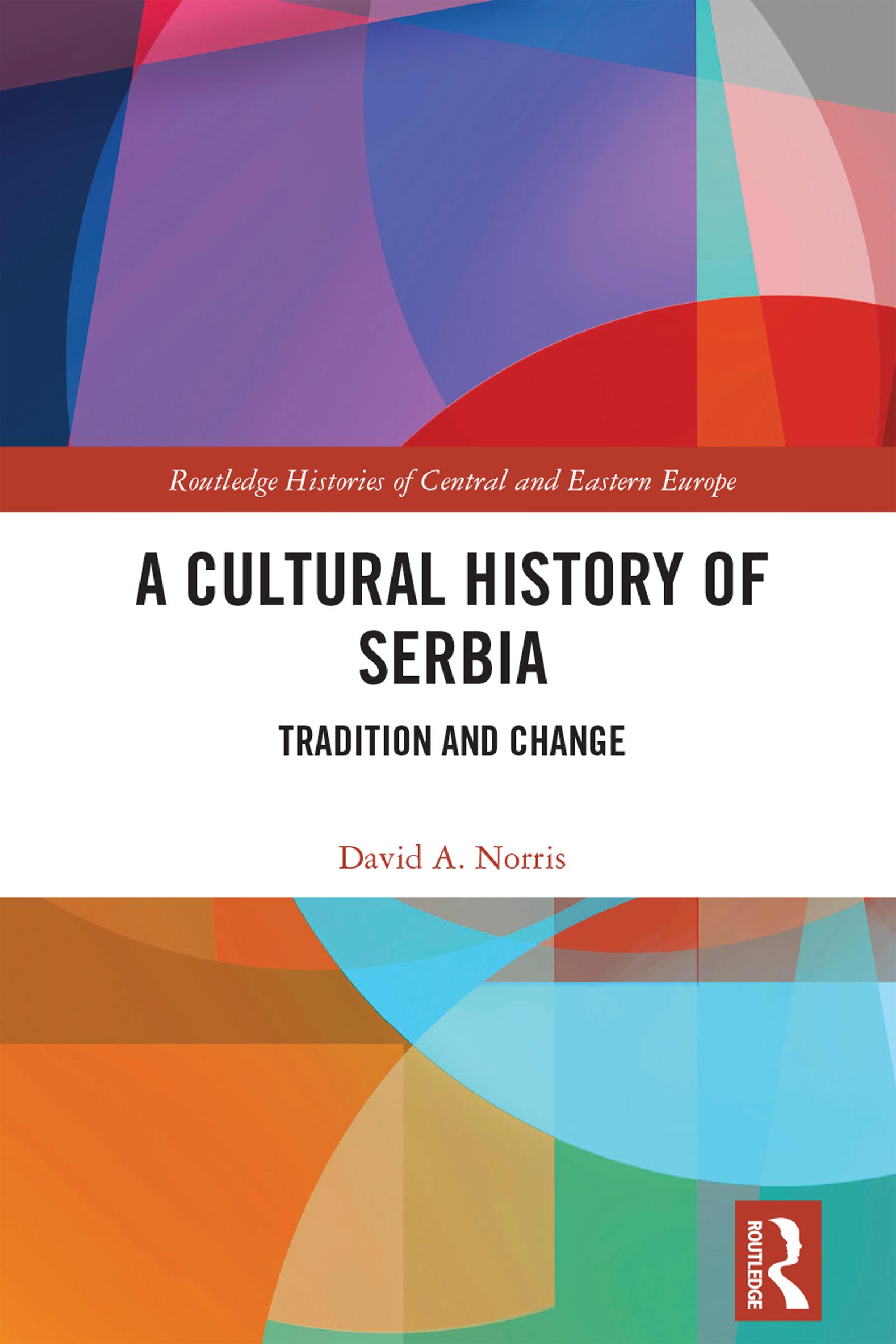
This volume focuses on Serbia’s need to manage change while preserving community identities, a narrative that avoids the common depiction of Serbian culture as a hostile struggle between modernizers supporting foreign models and traditionalists advocating forms of national cultural patrimony.
Traditions only function if they are allowed to bend to the necessary modifications demanded by a community’s changing historical circumstances. Tradition and change are two sides of the same coin which Serbia, in its many different incarnations, has experienced over the centuries, protecting its national heritage while borrowing and adapting intellectual and other trends from Byzantine, Ottoman and Western sources. Outside influences have been imposed as a direct result of foreign rule or through more friendly channels of communication, leading to a complex relationship between autochthonous and alien elements in Serbian society and culture. This book argues that the division between the national and international frameworks has often been a false dichotomy, with outside features embedded in domestic symbolic capital and Serbian culture simultaneously determined on local, national, regional and global levels.
David A. Norris’s approach offers a new perspective to students, academics and general readers interested in the history of Serbia’s participation in the broad networks of cultural exchange.
Betal nemt med kort, Klarna, Apple Pay eller Google Pay. Ikke tilfreds? Du har altid 14 dages fortrydelsesret. Læs mere i vores vilkår. Har du spørgsmål, så send os en mail på hello@memmo.org.
Memmo gør det nemmere at studere – uanset hvor du er i verden. Hos os samler du dine kursusbøger og smarte studieværktøjer ét sted: resuméer, quizzer, podcasts og flashcards. Og så er der Ted, din studieven, der svarer på alt, du undrer dig over. Over 50 000 studerende studerer allerede her – bygget til at hjælpe dig med at lære hurtigere og stresse mindre.