
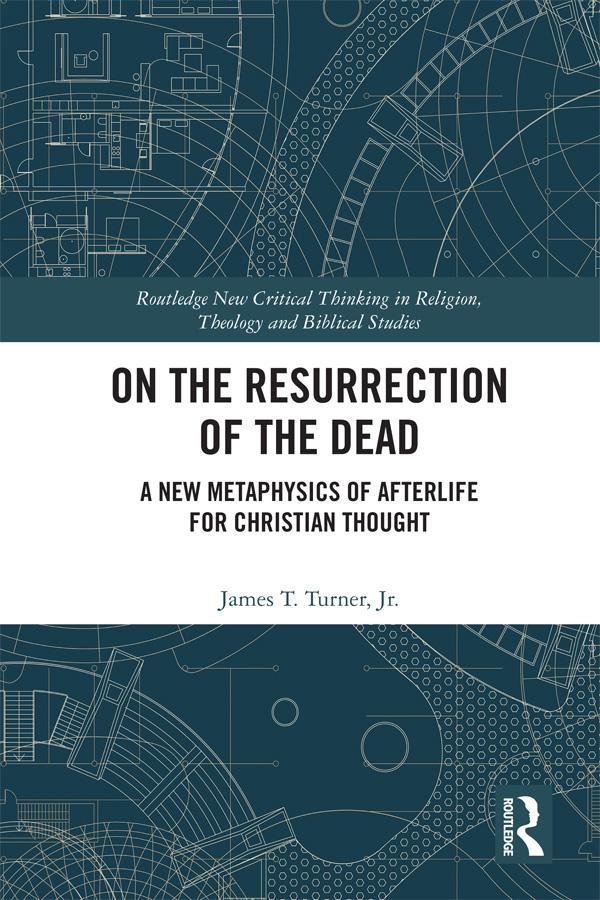
Christian tradition has largely held three theological affirmations on the resurrection of the physical body. Firstly, that bodily resurrection is not a superfluous hope of afterlife. Secondly, there is immediate post-mortem existence in Paradise. Finally, there is numerical identity between pre-mortem and post-resurrection human beings. The same tradition also largely adheres to a robust doctrine of The Intermediate State, a paradisiacal disembodied state of existence following the biological death of a human being. This book argues that these positions are in fact internally inconsistent, and so a new theological model for life after death is required.
The opening arguments of the book aim to show that The Intermediate State actually undermines the necessity of bodily resurrection. Additionally, substance dualism, a principle The Intermediate State requires, is shown to be equally untenable in this context. In response to this, the metaphysics of the afterlife in Christian theology is re-evaluated, and after investigating physicalist and constitutionist replacements for substance dualist metaphysics, a new theory called "Eschatological Presentism" is put forward. This model combines a broadly Thomistic hylemorphic metaphysics with a novel theory of Time.
This is an innovative examination of the doctrine of life after death. It will, therefore, be of great interest to scholars of analytic theology and philosophy of religion.
Betal nemt med kort, Klarna, Apple Pay eller Google Pay. Ikke tilfreds? Du har altid 14 dages fortrydelsesret. Læs mere i vores vilkår. Har du spørgsmål, så send os en mail på hello@memmo.org.
Memmo gør det nemmere at studere – uanset hvor du er i verden. Hos os samler du dine kursusbøger og smarte studieværktøjer ét sted: resuméer, quizzer, podcasts og flashcards. Og så er der Ted, din studieven, der svarer på alt, du undrer dig over. Over 50 000 studerende studerer allerede her – bygget til at hjælpe dig med at lære hurtigere og stresse mindre.